Space problems usually show up before you have time to plan for them. A renovation starts, inventory stacks up in the back room, or a job site needs secure storage by next week. That is where mobile storage rentals stand out. Instead of loading everything up and taking it somewhere else, the storage comes to your property and stays where you need it.
For homeowners and businesses across Eastern Ontario, that simple difference can remove a lot of friction. You keep your items close, you avoid repeated trips to an off-site facility, and you work on your own timeline. That convenience matters, but it is not the only reason people choose this option. The better question is when mobile storage is the right fit, and when another type of storage may be better.
What mobile storage rentals actually offer
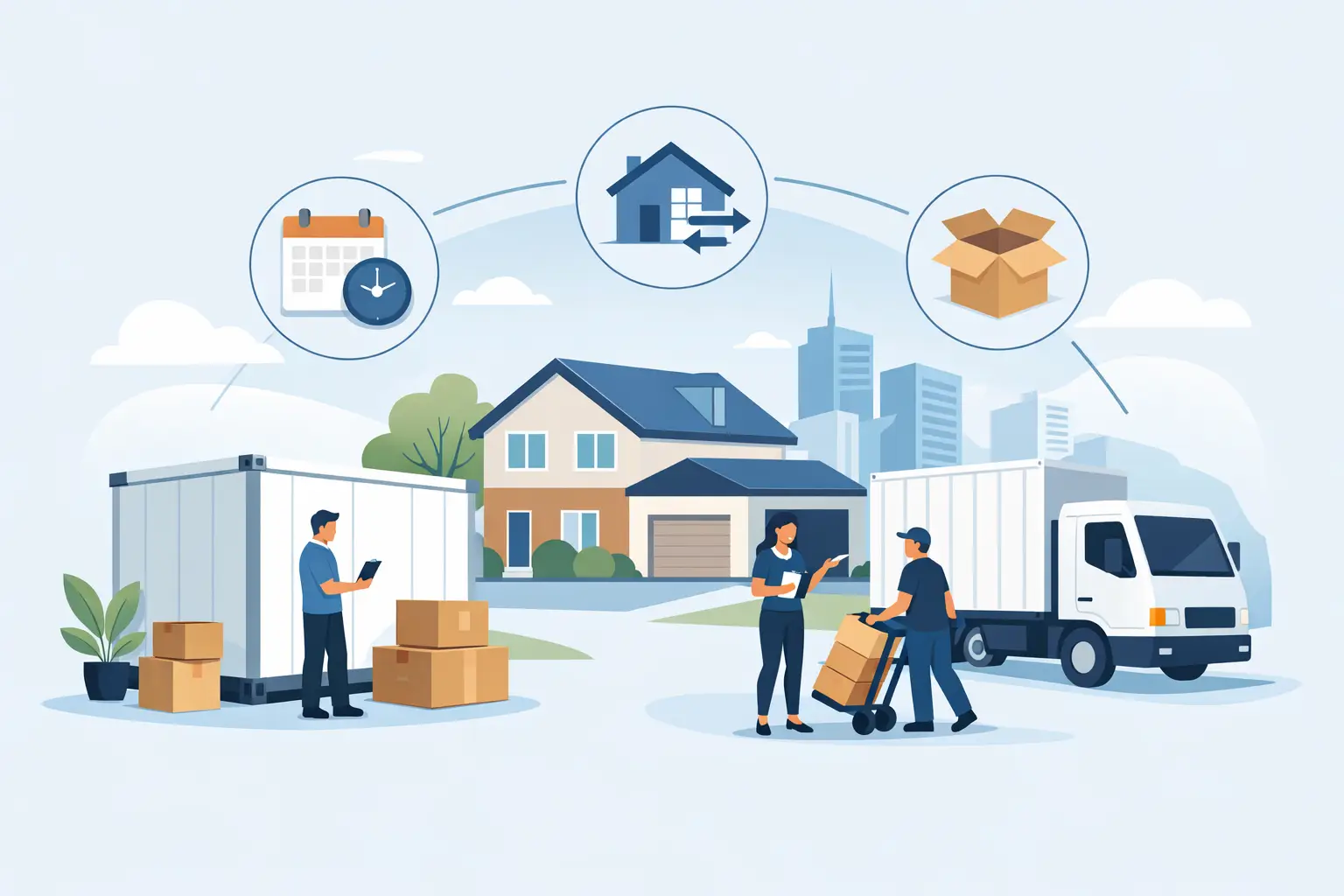
At the most practical level, mobile storage rentals give you secure storage space delivered to your location. You load the unit on-site and access it as needed during the rental term. For many people, that is the main appeal. There is less handling, less coordination, and fewer interruptions to the job or household project already in progress.
That setup works well because storage needs are rarely neat or predictable. A two-week project can turn into six. A retail stock issue can last through a full season. A contractor may need one unit for tools now and a second later when materials start arriving. Portable storage adapts to those real timelines better than a rigid warehouse arrangement.
There is also a control factor. When your storage is on your property or job site, you can see it, access it, and manage it without working around someone else’s facility hours. For many customers, that day-to-day access is as valuable as the extra space itself.
When mobile storage rentals are the best choice
The strongest case for mobile storage is when access and proximity matter. If you are renovating part of your home, keeping furniture, boxes, or household contents in a container outside can be far more practical than storing them across town. You can retrieve what you need without turning a simple task into a separate trip.
For businesses, the same principle applies. Retailers often need overflow space during busy periods or while adjusting seasonal stock. Having inventory nearby can make daily operations easier, especially when space inside the store or back room is already tight. The goal is not just to store more. It is to keep operations running smoothly.
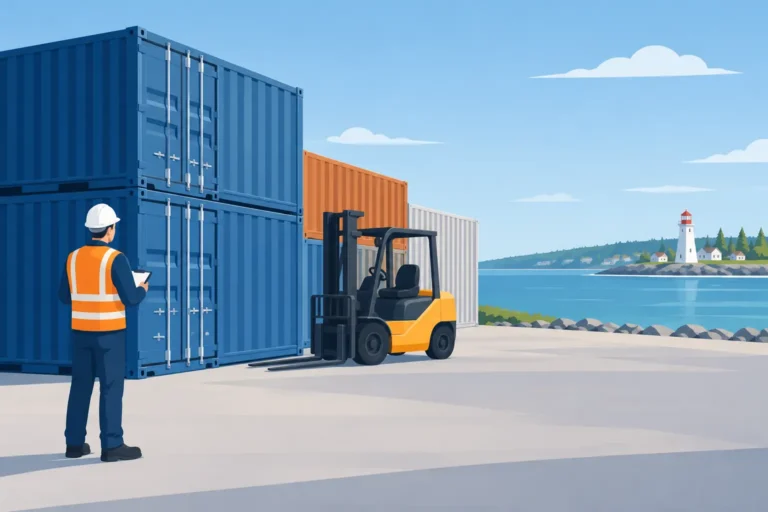
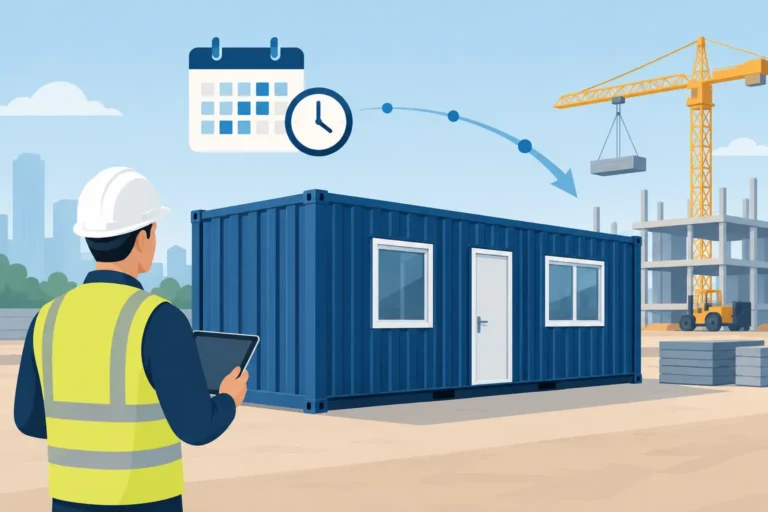
Contractors and industrial users often choose mobile storage for a different reason – security and convenience on site. Tools, materials, and equipment are easier to manage when they are stored where the work is happening. That can reduce downtime and limit the need to transport valuable items back and forth each day.
Mobile storage also makes sense when the timeline is unclear. Short-term and long-term needs do not always look different at the beginning. If you know you need more space now but are not sure how long that will last, a rental model gives you room to adjust.
Where on-site storage can save time and effort
The biggest savings often come from reducing handling. Every extra time an item gets packed, moved, unloaded, and reloaded adds labour, delay, and risk of damage. With on-site storage, many items are moved once into the container and then stay there until you need them again.
That is especially useful during home projects where rooms need to be cleared in stages. It also helps businesses that need to rotate stock regularly without disrupting customer areas. If your storage is ten steps away instead of twenty minutes away, small tasks stay small.
In places like Kingston, Brockville, or Belleville, where customers may be balancing work sites, homes, and business locations across a wider service area, keeping storage close can make a noticeable difference in weekly scheduling. You spend less time coordinating transportation and more time actually getting the work done.
What to think about before renting
Not every storage need points to the same solution. The right choice depends on what you are storing, how often you need access, and where the unit will sit.
Start with the property itself. You need enough space for delivery and placement, and the surface should be suitable for the container. Accessibility matters too. If you will need regular access, think about where the doors will face and whether the unit’s location will interfere with traffic, work areas, or daily routines.
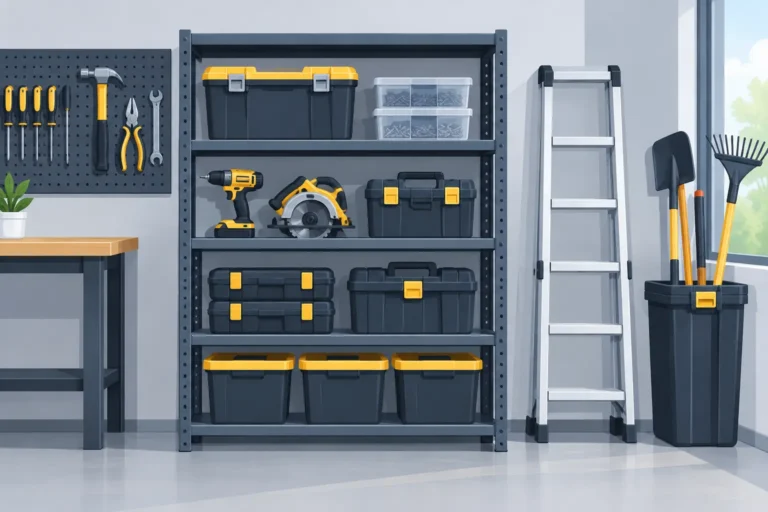
Next, think about the contents. Household items, business inventory, tools, and equipment all have different storage demands. Security is important across the board, but the way you organize the unit can make a big difference. Frequently used items should stay near the front, and heavier items should be loaded with stability in mind. A well-packed storage unit is easier to use and safer over time.
It is also worth considering duration. Some customers assume they only need storage for a short period, then find that the extra space remains useful longer than expected. Others want a long-term solution but only need it for a specific project window. Flexibility in rental terms matters because real life rarely follows the first estimate.
How mobile storage compares with traditional self-storage
Traditional self-storage still has a place. If you do not have room on your property, or if you prefer to keep stored items entirely off-site, a facility unit may be the better fit. It can also work well when access is infrequent and transporting items is not a major concern.
But for many residential and commercial customers, the trade-off is time. Off-site storage means every load has to be transported to the facility, and every needed item has to be retrieved later. That can be manageable for a few boxes. It is less appealing when the volume is large or access needs are ongoing.
Mobile storage rentals shift that balance by keeping the unit where the work is already happening. That convenience can lower labour demands and simplify planning. The main limitation is that on-site storage requires a suitable location. If your property cannot accommodate a container, or local site conditions are restrictive, another option may be more practical.
Choosing a provider for mobile storage rentals
A good storage unit is only part of the service. Delivery reliability, clear rental terms, and responsive local support matter just as much. If you are comparing providers, look closely at how they handle scheduling, placement, access, and ongoing communication.
Local knowledge can make the process smoother. A provider that understands Eastern Ontario conditions, property layouts, and customer expectations is often better positioned to deliver practical service without unnecessary complications. That is especially useful when timelines are tight or site access needs to be planned carefully.
It also helps to ask direct questions. How flexible is the rental period? What kind of unit is being delivered? What should you know about placement requirements? Clear answers upfront usually point to a company that runs its service properly.
For customers who want storage to be straightforward, that consistency matters. GoBox Portable Storage focuses on exactly that approach – secure on-site storage delivered where customers need it, with rental options that fit residential, commercial, and industrial use.
Getting the most value from on-site storage
The best results come from treating the unit as active workspace, not just overflow. Plan what goes in first, leave a walkway if you will need regular access, and group items by use. A little thought at the start can save a lot of frustration later.
It also helps to be realistic about timing. If your project or business cycle has a habit of running longer than expected, choose a storage arrangement that gives you room to extend without creating new stress. Convenience is not only about delivery day. It is about how usable the storage remains over the full rental period.
When storage is close, secure, and easy to access, it stops being another problem to manage. It becomes a practical tool that supports the work in front of you. If you need extra space without adding extra trips or unnecessary handling, mobile storage rentals are often the simpler answer.