A renovation project can take over a garage in a weekend. Seasonal equipment can crowd a workshop long before the next busy period. For homeowners and businesses that need space without repeatedly loading and hauling belongings elsewhere, container storage Westport Ontario provides a practical answer: secure storage delivered directly to the location where the work is happening.
Portable storage is not one-size-fits-all, and that is exactly why it works well for a community like Westport. Some customers need short-term space while a room is being updated. Others need a dependable place for tools, stock, materials, or household contents for months at a time. The right rental should fit the site, the access needs, and the real timeline of the project.
Why On-Site Storage Makes Sense in Westport
Westport properties come in many forms, from village homes with limited garage space to rural properties, cottages, retail locations, and active work sites. In each case, storing items close by can make daily work easier. Instead of scheduling trips to an off-site facility, customers can access what they need at their own location.
That convenience matters when plans change. A contractor may need materials protected between project stages. A retailer may receive seasonal inventory earlier than expected. A homeowner may need to clear several rooms at once, then bring items back only when the work is complete. An on-site container keeps the process organized without turning every storage need into another errand.
The main value is straightforward: the storage comes to you. That cuts down on handling, keeps important items nearby, and gives you more control over the timing.
Choosing Container Storage in Westport, Ontario
Before arranging a container rental, think about what will go inside and how often it will need to be accessed. A storage unit used for boxed household items has different requirements than one used for contractor tools or inventory that is checked daily.
Start with the space you actually need
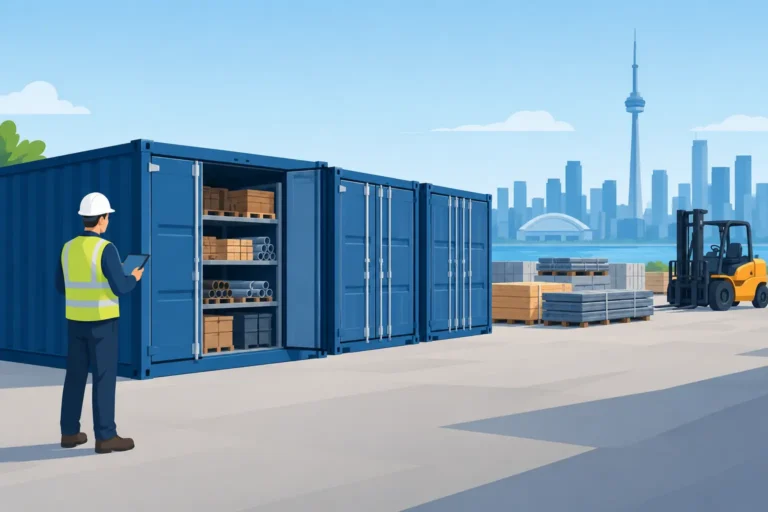
It is easy to focus only on floor area, but storage works best when it is planned vertically and intentionally. Group items by when they will be needed. Put frequently used items close to the doors, and place longer-term items toward the back. Leave a narrow path through the container if access will be regular.
For a household project, this might mean keeping labelled boxes and furniture covers together while placing less-used seasonal items deeper inside. For a business, it could mean placing current inventory near the entrance and reserve stock farther back. A clear plan prevents a full container from becoming a frustrating container.
Consider where the container will sit
A level, accessible placement area helps make delivery and use simpler. Before booking, look for overhead clearance, driveway width, branches, wires, gates, parked vehicles, and soft ground. Consider how the container doors will open and whether there will be enough room to load safely.
On some properties, a driveway is the obvious choice. On others, a side yard or designated work area may be more suitable. If the container will be placed somewhere other than private property, check any local permissions that may apply before delivery. A few minutes of preparation can prevent delays on delivery day.
Match the rental term to the project, not the original estimate
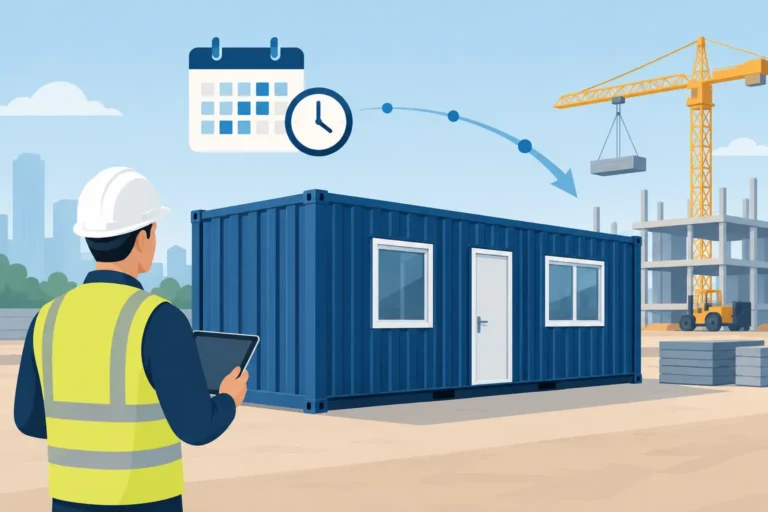
Projects rarely follow a perfect calendar. Weather, supplier timing, staffing, inspections, and changing priorities can all affect how long extra space is needed. A rental option that works for both short-term and longer-term needs gives customers room to plan realistically.
Avoid assuming that a container is only useful during the busiest stage of a project. Often, it remains valuable during cleanup, finishing work, stock organization, or the gradual return of items to their usual places. Build a little flexibility into the schedule rather than rushing the final days of the rental.
Practical Uses for Portable Storage
Portable containers are useful because they solve different space problems without requiring a permanent building addition. In Westport, common uses range from home improvement projects to commercial overflow and job-site organization.
For homeowners, a container can protect furniture, appliances, boxed belongings, and seasonal items while interior work is underway. Keeping rooms clear gives trades more working space and helps protect items from dust, paint, and accidental damage. It can also be useful when reorganizing a garage, basement, shed, or cottage property that has accumulated years of belongings.
For contractors, on-site storage can keep tools, supplies, and equipment together at the project location. This is especially useful when jobs run across several days or weeks and crews need dependable access to materials. A well-organized container can also reduce clutter around the active work area, supporting a safer and more efficient site.
For retailers and service businesses, portable storage can provide breathing room during seasonal inventory cycles, renovations, special events, or busy sales periods. It is a flexible alternative when back-room space is limited but inventory still needs to stay close to operations.
Industrial and agricultural customers may use storage containers for supplies, parts, equipment, or operational overflow. The best setup depends on the type of goods being stored, how frequently they are used, and whether the site has appropriate access for delivery.
Pack for Access, Protection, and Safety
A container is only as useful as the way it is packed. Start with clean, dry items and sturdy boxes that can be stacked without collapsing. Label each box on more than one side so contents are easy to identify without pulling everything out.
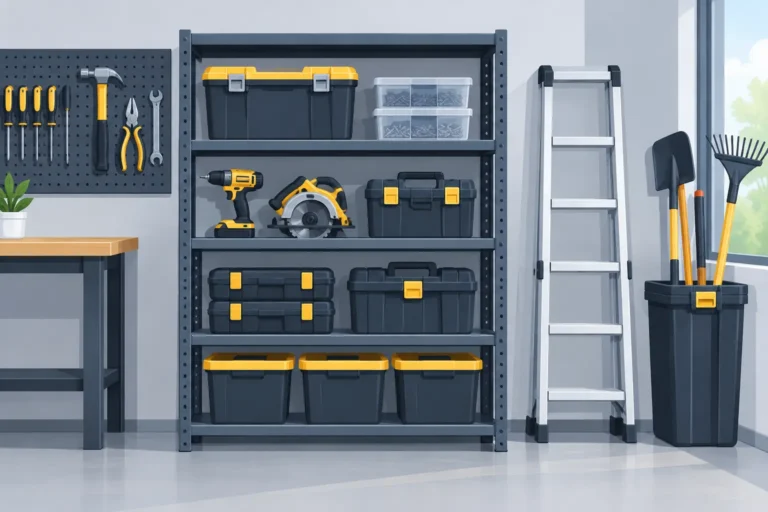
Use pallets, shelving, or a raised surface when appropriate to help keep stored items organized and off the floor. Cover furniture carefully, secure loose items, and distribute weight evenly. Heavy items should stay low, while fragile goods need protection from shifting.
Do not store anything that creates a safety concern. Flammable materials, hazardous substances, perishable food, and items that could leak or attract pests should be kept out of the container. If you are uncertain about a particular item, ask before loading it.
For business storage, create a simple inventory record. It does not need to be complicated. A list of what is inside, where it is located, and when it arrived can save time later, particularly when several team members need access.
Security Is Part of the Storage Plan
On-site storage keeps items nearby, but it should still be treated like any other secured storage space. Use a quality lock, keep the doors closed when the container is unattended, and limit access to the people who need it. For business sites, assign responsibility for keys or access codes so there is no confusion at the end of the day.
Placement also affects security. A container positioned where it can be seen from the home, office, or active work area may be preferable to one placed far from regular activity. Good lighting around the site is another sensible consideration, particularly for customers who may need access early in the morning or after business hours.
A Local Option for Flexible Storage
When storage is needed at your property, local service matters. Delivery timing, site conditions, and rental questions are easier to manage with a provider that understands Eastern Ontario and serves the Westport area. GoBox Portable Storage provides on-site container rentals for residential, commercial, and industrial needs, with rental timelines built around real projects rather than rigid assumptions.
The best time to arrange storage is before clutter slows the work down. Measure the placement area, make a short list of what needs storing, and consider how often those items will be accessed. With those details ready, requesting a quote becomes a practical first step toward getting usable space exactly where it is needed.