
A renovation crew needs tools close by before the first wall comes down. A retailer needs room for seasonal stock without giving up valuable floor space. A homeowner needs a secure place for furniture while work is underway. That is where understanding how onsite storage delivery works helps you plan with fewer surprises.
With portable storage, the unit comes to your property instead of requiring repeated trips to an off-site facility. You choose the rental period, prepare an accessible placement area, load at your own pace, and arrange pickup when the unit is no longer needed. The details matter, though. A little preparation makes delivery safer, faster, and far more useful once the container is in place.
How onsite storage delivery works from quote to pickup
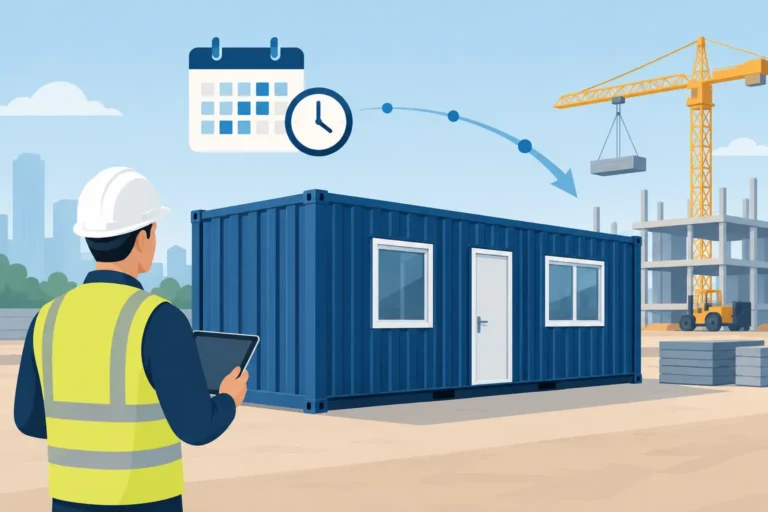
The process usually begins with a quote request. You will be asked where the storage unit is needed, how long you expect to rent it, and what type of project you are managing. This gives the provider a clear picture of delivery access, rental timing, and the unit size that may suit the job.
Once the rental is confirmed, a delivery date is scheduled. For customers in Kingston and throughout Eastern Ontario, local knowledge can make a practical difference. Rural driveways, narrow streets, seasonal conditions, and active job sites all require a delivery plan that fits the property rather than a one-size-fits-all approach.
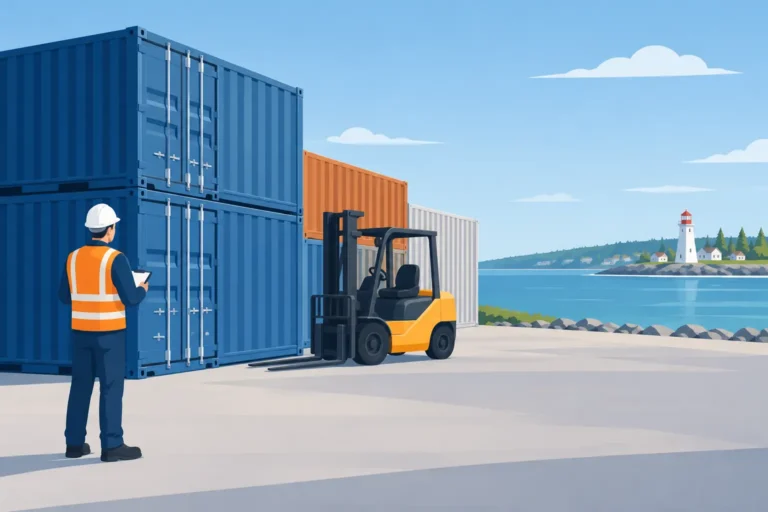
On delivery day, the driver brings the storage container directly to the agreed location. The unit is positioned on a firm, reasonably level surface where you can open the doors and load safely. After delivery, the container stays at your location for the agreed rental term. When you are finished, you contact the provider to arrange collection.
The basic idea is simple: storage remains where the work is happening. That can reduce handling, protect valuable time, and keep the items you need within reach.
Start with the right storage plan
Before booking, consider what you need to store and how often you will need access. A contractor may want daily access to tools, materials, and equipment. A family completing a renovation may need to store household contents for several weeks. A business may need longer-term overflow space for inventory, records, fixtures, or supplies.
It is also worth thinking about loading order. Items needed frequently should be placed close to the doors. Heavy items should sit on the floor and be distributed evenly. Use shelving or sturdy stacking methods when appropriate, but do not pack so tightly that safe access becomes difficult.
Rental length is another practical decision. Short-term storage works well for contained projects with a known finish date. Longer-term rentals can make more sense when construction schedules, inventory cycles, or renovation timelines are less predictable. It depends on your circumstances, but choosing a flexible term can prevent the pressure of having to clear the unit before your project is actually ready.
Preparing your property for container delivery
The delivery team needs a clear route to the placement area and enough room to position the unit safely. This is often the most important part of the process, particularly on residential streets, older properties, and active commercial sites.
Walk the route from the road or driveway entrance to the intended location. Look for low tree branches, overhead wires, parked vehicles, tight turns, gates, soft ground, and slopes. Tell the storage provider about anything that could affect access before delivery day. A quick conversation ahead of time is much easier than adjusting plans after the truck arrives.
The placement surface should be firm and stable. A paved driveway, compacted gravel area, or other level hard surface is generally preferable to soft grass or loose soil. Weather can change ground conditions quickly, especially after heavy rain or during spring thaw. If there is any concern about the surface, ask for guidance when requesting your quote.
You also need clear door access. The doors should not face a wall, fence, embankment, or parked vehicle. Leave adequate room to open them fully and carry items in and out without obstruction. At a job site, keep the immediate area clear of debris, pallets, and equipment.
Depending on the location, permits or property approval may be required. This is most common where a unit may affect a road allowance, shared access, commercial parking area, or condominium property. The customer is usually responsible for confirming local requirements, so check early rather than assuming the placement is permitted.
What happens during delivery
A professional delivery is planned around safe access and careful placement. The driver will assess the approach and confirm the agreed area before setting down the unit. If conditions are different from what was discussed – for example, a vehicle is blocking the driveway or the ground is too soft – placement may need to be adjusted.
This is not a drawback of onsite storage. It is a sensible safety measure. The goal is to place the container where it is stable, accessible, and unlikely to interfere with people, vehicles, or work underway on the property.
You do not need to unload anything from a delivery truck. The storage unit arrives ready for use. Once it is placed, you can begin loading on your own schedule. That flexibility is especially useful when several people are involved in a renovation, a business reorganization, or a construction project with changing delivery dates.
Loading for security and easy access
Portable storage gives you control over how your belongings, inventory, or equipment are organized. A few simple habits make that control more valuable.
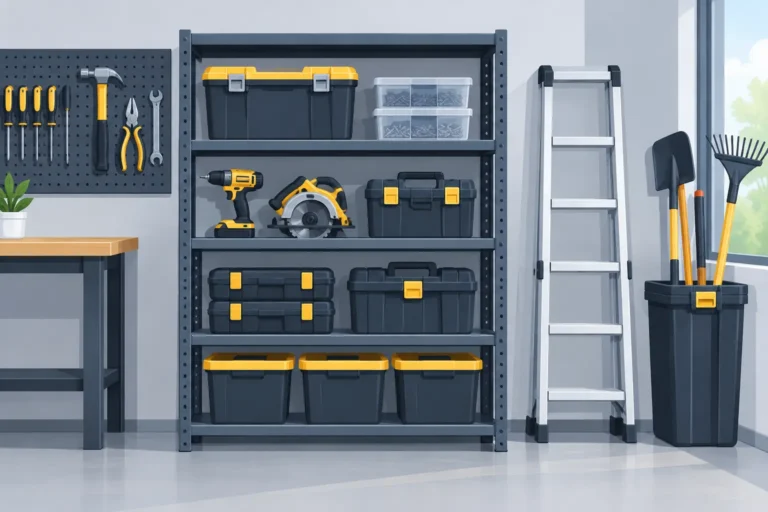
Start by keeping heavier items low and spreading weight across the floor. Use protective coverings for furniture, equipment, and fragile goods. Leave a narrow path through the container if you will need regular access to items stored farther inside. Label boxes on more than one side so you are not forced to shift stacks just to find one item.
For commercial and industrial use, separate frequently used supplies from long-term stock. Keep an inventory list, particularly if multiple staff members have access. A simple list posted inside the door or maintained on a phone can prevent duplicate purchases and wasted time searching.
Security is also part of the value of onsite storage. Use a suitable lock, keep the doors secured whenever the unit is unattended, and limit access to authorized people. For a job site, make the container part of the daily close-up routine. For a home project, avoid leaving doors open while you are away from the property.
When onsite storage is the practical choice
Onsite storage works best when convenience and regular access matter. It can be useful during home renovations, for decluttering before a property sale, for retail overflow, for seasonal business equipment, and for tools or materials at a work site. Instead of transporting items back and forth to a warehouse, you keep them close to where they are needed.
There are trade-offs. An off-site storage facility may be a better fit if you do not have a suitable placement area or if property rules do not allow a container. Onsite storage is most effective when the unit can be delivered safely and remain accessible without disrupting neighbours, staff, customers, or ongoing work.
GoBox Portable Storage helps customers assess those practical details before delivery. A clear quote request with your location, timing, and site information allows the right plan to be built from the start.
Planning pickup when the project is finished
When you no longer need the unit, make sure it is empty, secured, and accessible for collection. Remove any personal locks and clear vehicles, materials, or equipment from the pickup route. As with delivery, access matters. A container cannot be collected safely if another project has blocked the driveway or if the ground conditions have changed significantly.
If your schedule has shifted, contact the provider as early as possible. Extensions are often simpler to arrange before the planned collection date than after it. This is particularly helpful for renovations and commercial projects where completion dates can change.
A storage unit at your location should make the work around it easier, not add another task to manage. Start with a clear placement plan, leave room for safe access, and choose a rental period that reflects the reality of your schedule. When you are ready, request a quote with the details of your property and project, and plan storage around the way you actually work.