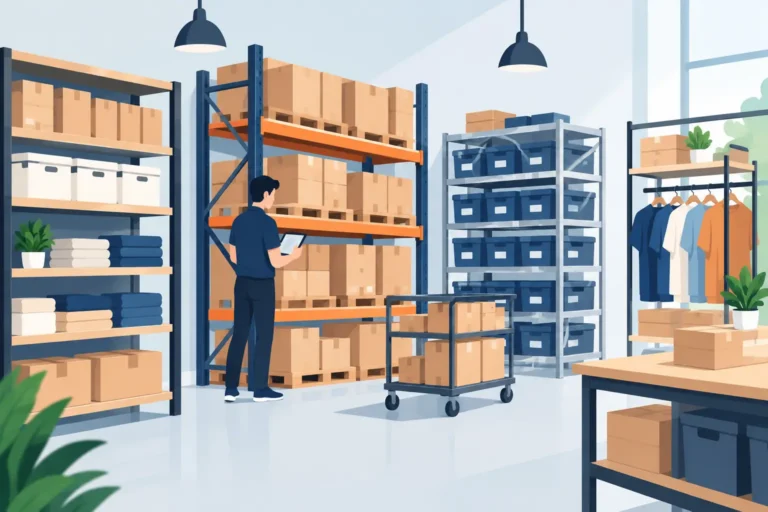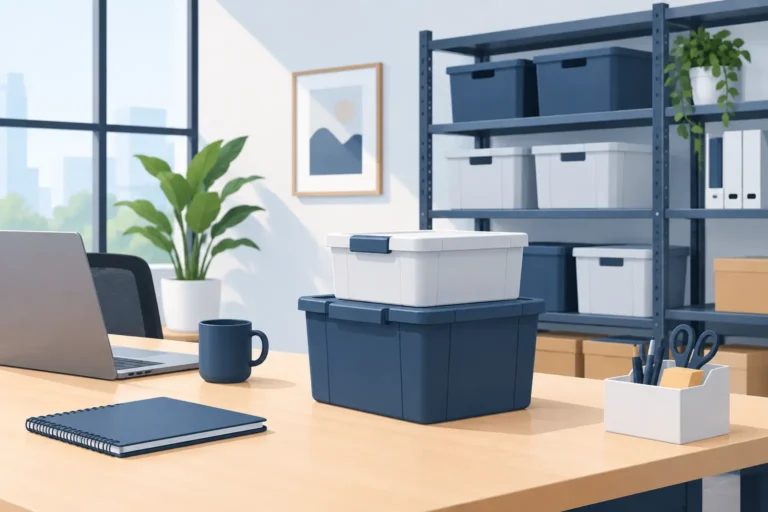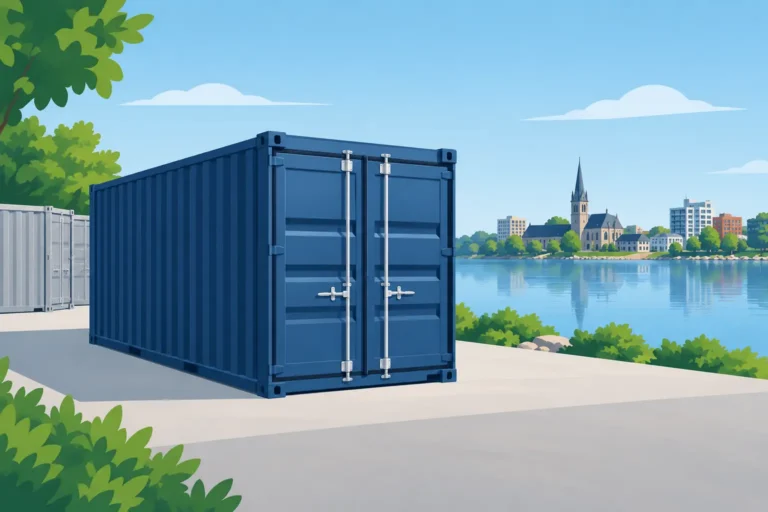

A busy site can lose hours each week when tools, stock, materials, and paperwork are stored in the wrong place. This commercial onsite storage guide is designed for Eastern Ontario contractors, retailers, and business operators who need secure space close to the work, without adding unnecessary handling to the day.
Portable container storage gives your team access to what they need where they need it. The right setup can keep a jobsite tidier, protect valuable inventory, and create breathing room when a warehouse, shop, or back room reaches capacity. The key is choosing a unit, placement plan, and rental term that fit the way your operation actually runs.
Why Onsite Storage Works for Commercial Operations
Commercial storage is not one-size-fits-all. A contractor may need daily access to tools and fasteners. A retailer may need a secure place for seasonal stock before a promotion. A property manager may need temporary space for maintenance supplies while work is underway. In each case, the value comes from keeping essential items close instead of sending staff back and forth to an off-site facility.
An on-site container can also make a property safer and easier to manage. When materials are stacked in hallways, behind counters, or in makeshift outdoor areas, they can block access, create confusion, and increase the chance of damage. A dedicated storage unit provides a defined place for overflow items and helps teams maintain clearer work areas.
There is a trade-off, of course. On-site storage requires a suitable delivery location and enough clearance for safe placement. It works best when the unit will save enough time, protect enough inventory, or reduce enough congestion to justify using part of the property footprint.
Start Your Commercial Onsite Storage Plan With the Work
Before requesting a quote, look at the items that are creating the most pressure on your space. Do not start with a container size alone. Start with how your staff will use the unit over a typical week.
Identify what belongs in the unit
Separate stock and supplies by frequency of use. Daily-use tools, packaging, materials, and equipment should be easy to reach near the doors. Items needed once a month can sit farther back. This simple distinction prevents the common problem of unloading half a container to find one box or part.
Consider the weight and shape of the items as well. Shelving, long materials, boxed inventory, and wheeled equipment each need a different layout. If you are storing expensive tools or products, plan for lockable storage within the container or a clear access process for authorized staff.
Estimate capacity without guessing
Walk through the area you are trying to clear and make a practical inventory. Count pallets, cartons, tool cases, shelving units, and larger equipment. Take note of awkward items that cannot stack safely. This will give you a stronger basis for choosing a unit size than a rough estimate based on floor area alone.
Leave space for an aisle if staff need regular access. A container packed wall to wall may hold more, but it can slow down operations and increase the risk of damaged goods. For stock that changes frequently, accessible storage is usually more useful than maximum storage density.
Match the rental term to the project timeline
Commercial needs often change. A short renovation, seasonal sales period, construction phase, or inventory increase may call for temporary space, while a growing operation may need a longer arrangement. Ask about rental flexibility early so the storage plan supports your schedule instead of forcing your schedule to fit a contract.
Plan Delivery and Placement Before the Unit Arrives
A portable storage container only improves efficiency if it is placed where staff can use it safely. Walk the property with delivery in mind. Look for a firm, level surface and confirm there is enough room for the delivery vehicle to enter, place the unit, and exit safely.
Think beyond the initial drop-off. The doors need adequate clearance to open fully, and staff need room to carry or wheel items in and out. Avoid placing the container where it blocks customer parking, loading areas, emergency access, waste collection, or regular deliveries.
For commercial sites, it is also wise to confirm property rules and municipal requirements before delivery. A retail plaza, industrial property, condominium site, or leased location may have specific expectations about placement, duration, or visibility. Getting approval in advance avoids disruption later.
Weather and ground conditions deserve attention in Eastern Ontario. Soft ground, uneven gravel, ice buildup, and poor drainage can affect access over time. Choose a location that remains practical through changing conditions, not just one that looks convenient on the day of delivery.
Keep Stored Goods Secure, Organized, and Accessible
Security starts with a quality lock and a controlled key or code process, but it does not end there. Your storage habits matter just as much. Assign responsibility for access, keep a basic record of what enters and leaves the unit, and avoid leaving high-value items directly at the door.
For many businesses, a simple layout creates major time savings. Put clearly labelled, frequently used items near the entrance. Group materials by project, department, customer order, or product type. Keep heavier goods low, prevent cartons from leaning, and maintain a clear path through the unit.
Use this practical checklist when setting up commercial container storage:
- Store heavy materials on the floor and distribute weight evenly.
- Label boxes on more than one side so contents are visible after stacking.
- Keep tools, parts, and small supplies in durable bins rather than loose cartons.
- Protect sensitive inventory from moisture, dust, and temperature swings with appropriate packaging.
- Review the contents regularly so unused stock does not take up valuable space.
Not every product is suitable for a storage container. Hazardous materials, fuel, propane cylinders, perishable goods, and regulated substances may require specialized handling or may be prohibited. Review the rental terms and applicable regulations before loading anything that could create a safety or compliance issue.
Calculate Value Beyond the Monthly Rental Rate
The lowest monthly rate is not always the lowest-cost choice. Consider how much staff time is spent searching for equipment, retrieving stock from another location, working around crowded space, or replacing items that were damaged because they were poorly stored.
A container placed at the right location can reduce those daily friction points. It can also help a business delay a larger warehouse commitment when the need for added space is temporary or uncertain. For contractors, secure site storage may reduce the need to load and unload the same tools repeatedly. For retailers, it can protect sales-floor space for customers instead of using it as a stockroom.
When comparing options, ask what is included in the service. Delivery, pickup, rental length, access expectations, unit condition, and local response all affect the real value of the arrangement. A clear quote makes it easier to budget and prevents surprises during a busy period.
Choose a Local Provider That Understands the Site
Commercial storage needs change quickly, especially when schedules, stock levels, or site conditions shift. A provider familiar with Kingston and surrounding Eastern Ontario communities can offer practical guidance on placement, access, and delivery planning based on the realities of the region.
Before booking, be ready to describe your location, the surface where the unit will sit, access points, expected rental length, and the type of items you plan to store. This helps the provider recommend a solution that is appropriate from the start. GoBox Portable Storage brings the storage to your location, giving businesses a straightforward way to add secure space without making daily operations more complicated.
The best commercial storage setup is the one your team can use without thinking twice about it. Plan for access, safety, and real working conditions, then choose a rental arrangement that gives your business room to operate with less clutter and fewer delays.