A kitchen renovation can turn a garage, driveway and living area into temporary holding space within a day. Storage containers keep furniture, tools, inventory and project materials close by without asking you to give up every usable corner of the property.
For homeowners and businesses across Eastern Ontario, the value is simple: the storage comes to the location where the work is happening. That reduces handling, keeps essentials nearby and gives you control over access throughout the rental period.
When On-Site Storage Makes Sense
Portable storage is not a one-size-fits-all answer. It works best when you need secure space at your home, storefront, facility or job site and expect to access your contents more than once. Rather than loading goods into a vehicle, transporting them to an off-site unit and repeating the trip whenever something is needed, you can keep the unit on your property.
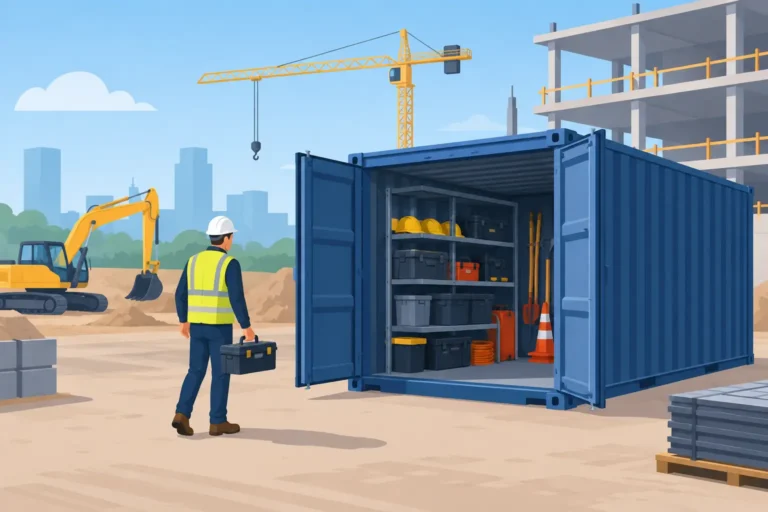
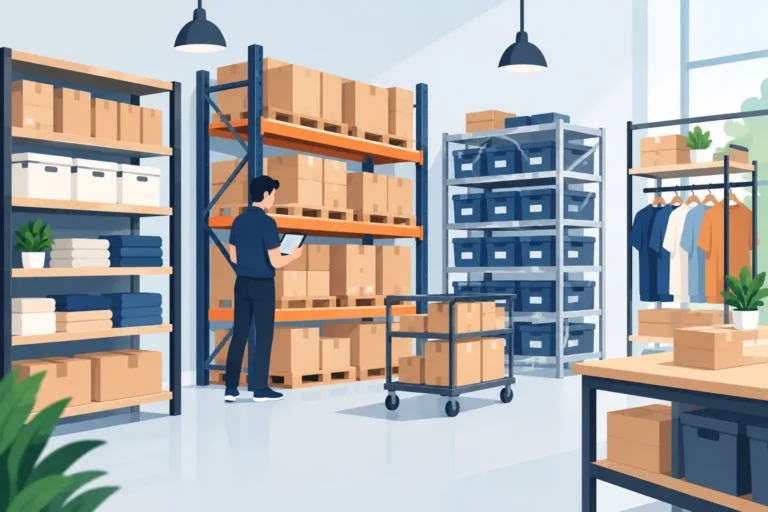
For a homeowner, that may mean protecting household contents during a renovation, flooring installation or a major decluttering project. For a contractor, it may mean a dry, lockable place for tools, materials and equipment between workdays. A retailer may use a container to hold seasonal displays or overflow inventory without crowding the sales floor. Industrial and commercial operators can use temporary storage to support maintenance work, short-term inventory increases or changing site requirements.
The main consideration is access. If your stored items need to be available during the week, an on-site container often saves time and unnecessary handling. If you will not need access for months and have limited space at your property, another storage arrangement may be more practical.
What to Look for in Storage Containers
Not all storage options suit the same job. The right container should match the amount you need to store, the space available for placement and the conditions your contents require.
Start with the items, not the container
Make a realistic inventory before choosing a size. Large furniture, boxed household goods, shelving, equipment and pallets use space differently. A list also helps separate items you need regular access to from items that can sit at the back of the unit.
Leave a centre aisle if you expect to retrieve materials, tools or stock during the rental. Packing every available inch may look efficient on day one, but it creates frustration when the item you need is behind a wall of boxes. Place frequently used items near the doors and label boxes on more than one side.
Check your placement area
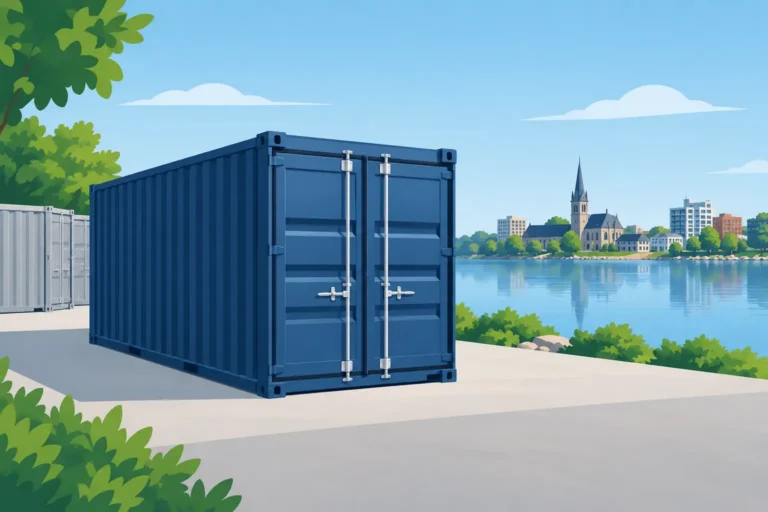
A container needs a reasonably level, accessible location. A driveway, yard area, commercial lot or job site may work well, provided there is enough room for delivery equipment to enter and position the unit safely.
Before booking, consider overhead clearance, turns into the property, soft ground, gates and parked vehicles. Tell the storage provider about any access restrictions early. A short conversation about the site can prevent delays and help identify the best placement location.
For properties in Kingston and surrounding communities, seasonal conditions also matter. A placement area that is firm in summer may be soft during spring thaw or difficult to access after heavy snow. Planning ahead helps keep delivery straightforward.
Prioritize security and condition
The contents of a storage unit are only as protected as the container and the way it is used. Look for a solid, well-maintained unit with secure doors and a reliable locking point. Keep the key or lock access limited to the people who genuinely need it, especially at active commercial sites.
Good packing also protects your belongings. Use sturdy boxes, keep heavy items low, wrap vulnerable surfaces and avoid placing damp materials inside. If you are storing equipment or goods that are sensitive to moisture, allow for airflow where appropriate and avoid packing wet items after rain or snow.
Choose terms that fit the real timeline
Projects do not always finish on the original schedule. A flexible rental period is often more useful than trying to estimate an exact end date before work begins. Short-term storage can support a focused project, while longer-term rental can give a business room to manage inventory without rushing a decision.
Ask how extensions work, what notice is needed for pickup and what is included in the rental arrangement. Clear terms make budgeting easier and prevent a storage solution from becoming another item to manage.
Portable Storage Versus Off-Site Storage
Off-site units are useful when you want stored goods away from your property or do not have enough room for a container. They can also suit belongings that will remain untouched for an extended period. The trade-off is travel time and the need to load and unload at least twice.
Portable storage containers are built around convenience at your location. You can load at your own pace, work around contractor schedules and retrieve what you need without a separate trip across town. This is particularly helpful for businesses that cannot afford to send staff away from the site just to collect supplies or stock.
There are trade-offs here as well. An on-site unit requires suitable placement space and may need consideration for local property rules or site safety requirements. At a busy commercial property, you also need to ensure the container does not interfere with customer parking, delivery lanes, fire routes or daily operations.
The best choice depends less on the label and more on how the storage will support your routine. If access, proximity and reduced handling matter most, portable storage is usually the stronger fit.
Pack for Safe, Easy Access
The way a container is loaded affects how useful it remains over time. Start with a clean plan instead of filling the space from front to back without order.
Keep heavier items on the floor and distribute their weight across the unit. Use furniture pads or protective coverings where surfaces could rub together. Stack boxes only when they are strong enough to carry the load, and avoid stacking so high that retrieving them becomes unsafe.
For business supplies, group materials by project, department or product type. A contractor may reserve one section for power tools and another for consumables. A retailer may organize cartons by season or stock category. A simple paper inventory kept at the door can save considerable time later.
Do not store hazardous, flammable, perishable or prohibited materials. If you are unsure whether an item can be stored, ask before loading it. This protects your property, the container and everyone working around it.
Questions to Ask Before You Rent
A practical storage provider should be able to answer a few straightforward questions clearly. Confirm the container dimensions, delivery requirements, rental length, security features and pickup process. Ask whether the unit can be positioned in your preferred area and explain how often you expect to access it.
It is also worth discussing the type of items you plan to store. Household furnishings, retail cartons, construction supplies and industrial equipment can have very different space and handling needs. The more accurately you describe the job, the easier it is to select a suitable unit from the start.
GoBox Portable Storage provides on-site container rentals for homeowners, contractors and businesses that need dependable space where they are working. A quote based on your location, timing and storage needs gives you a practical starting point without forcing your project into a rigid schedule.
A well-placed container does more than hold extra belongings. It gives your property or work site room to function while the job continues. Start by measuring your available space, making a realistic inventory and choosing a rental timeline with enough flexibility for the work ahead.