A renovation rarely stays contained to one room. Furniture, tools, materials, and boxes quickly take over hallways, garages, and driveways. When comparing portable storage vs self storage, the real question is not which option is better in general. It is which one reduces the most work for your specific project, property, and timeline.
For many Eastern Ontario homeowners and businesses, storage is needed because space is temporarily unavailable, inventory has outgrown the back room, or a job site needs secure equipment access. Both portable storage and self storage can solve that problem. The difference is where the unit sits, how often you need access, and how much transportation you are willing to manage.
Portable Storage vs Self Storage at a Glance
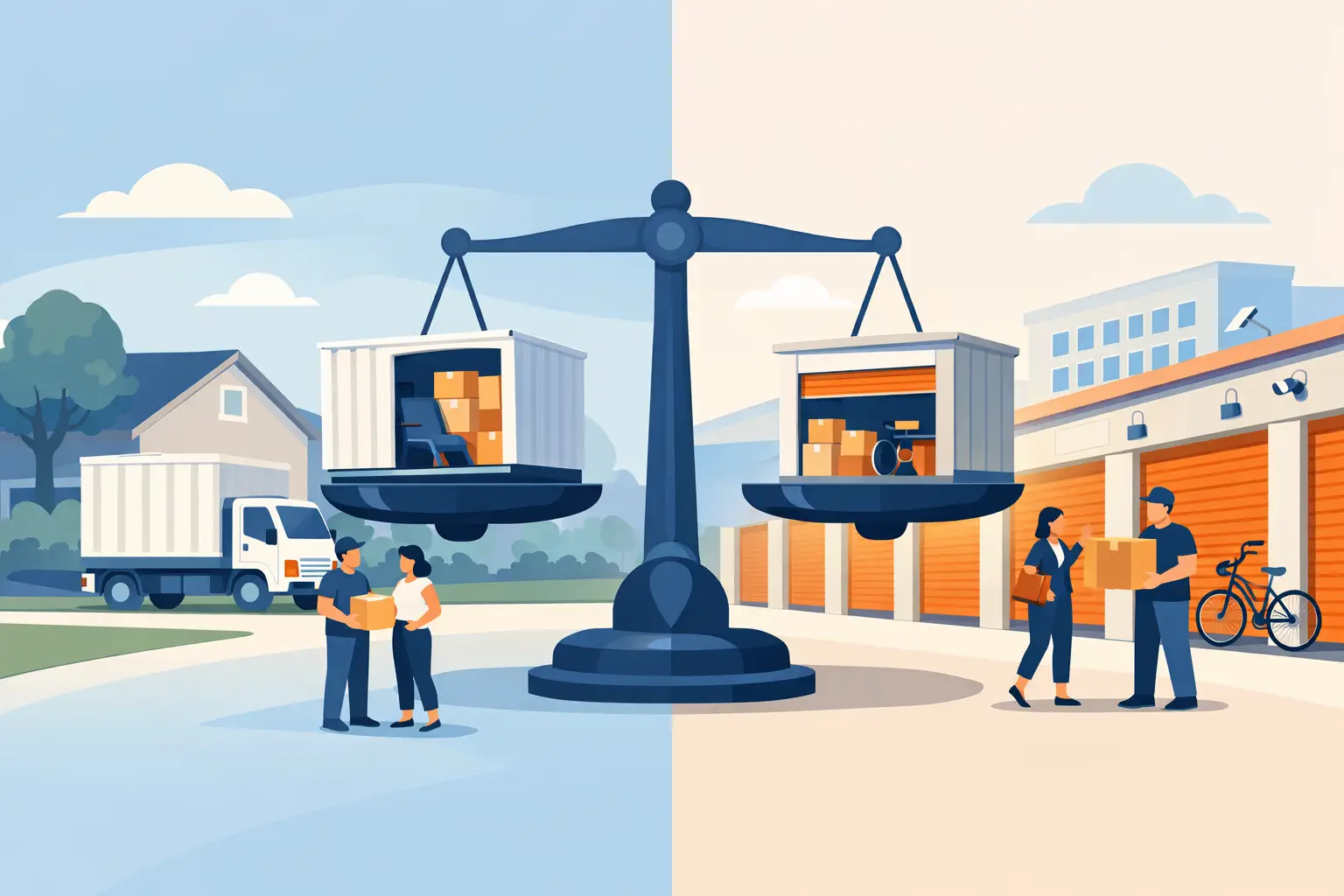
Portable storage is delivered directly to your home, business, or job site. You load it on your own schedule, keep it on-site for convenient access, and rent it for as long as the project requires. The storage unit becomes part of your available workspace without requiring repeated trips to a separate facility.
Self storage involves renting a unit at a storage property. You transport your belongings or inventory to the facility, load the unit, and return whenever you need something. This can work well when you have limited room on your property or do not need frequent access.
Neither format is automatically the right choice. A retailer with surplus seasonal stock may value an on-site container behind the building. A condo resident without a driveway may find an off-site unit more practical. The best option depends on access, available space, transportation, and the kind of items being stored.
When Portable Storage Makes More Sense
Portable storage is built around convenience at the location where work is happening. That matters when every extra loading and unloading step adds time, labour, or disruption.
Renovations and home projects
During a kitchen, basement, or whole-home renovation, belongings often need to be cleared from work areas but remain close by. An on-site storage container gives homeowners a secure place for furniture, appliances, boxes, and project supplies. When a contractor needs a room cleared, items can be placed directly into the container rather than hauled across town.
This arrangement also helps keep living areas more manageable during longer projects. Instead of filling a garage or spare bedroom, you can keep the property organized while retaining access to what you stored.
Job-site tools and materials
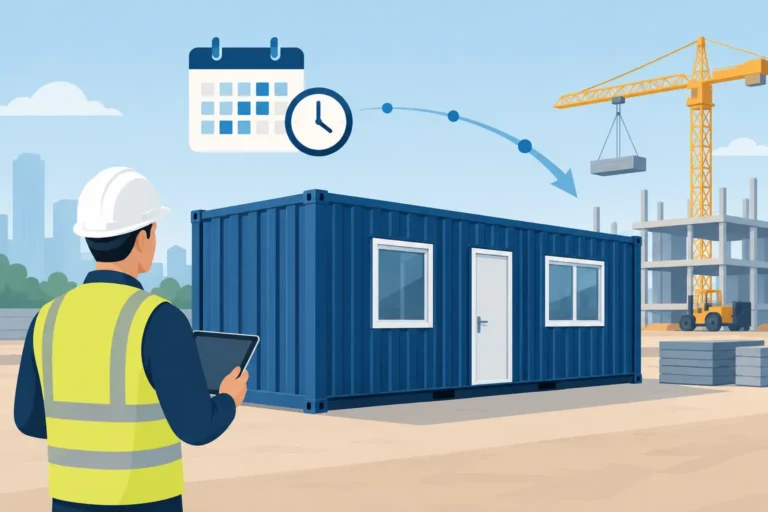
Contractors and trades need more than extra square footage. They need equipment where the work is taking place. A portable storage unit can serve as practical job-site storage for tools, materials, fixtures, and supplies that should not be left exposed or scattered around the property.
Keeping equipment nearby can reduce daily loading tasks and help crews start work more efficiently. It is especially useful for projects outside urban centres, where a storage facility may be a considerable drive from the site.
Retail and business overflow
Businesses can face sudden inventory pressure during busy seasons, product deliveries, renovations, or changes in operations. Portable storage gives retailers and operators an on-site overflow option without forcing staff to travel off-site for every item.
For a business, that access can be the deciding factor. If employees need to retrieve stock throughout the day, a storage unit at the premises can be far more useful than a unit several kilometres away. It can also provide temporary capacity while a business reorganizes its regular storage areas.
Projects with uncertain timelines
Many projects do not follow a neat calendar. Weather delays, supplier schedules, permit timing, and changing work scopes can all extend a storage need. Portable storage rentals are well suited to customers who want a unit for the duration of the work without committing to a rigid plan before the project is fully defined.
When Self Storage May Be the Better Choice
Self storage has its own strengths, particularly when storage needs are straightforward and off-site access is acceptable.
It may be a sensible option if your property has no safe or permitted place for a container. Dense residential areas, multi-unit properties, narrow driveways, and sites with restricted access can make on-site delivery impractical. In those cases, an off-site unit can provide the space you need without affecting daily parking or site operations.
Self storage can also suit items that are rarely needed. If you are storing archived documents, seasonal decor, or household belongings you do not expect to access for months, the travel time may not be a concern. You load the unit once, lock it, and visit only when necessary.
The key is to be honest about how often you will need your items. A facility that seems close on a map can become inconvenient when you are making repeated trips with boxes, tools, or inventory.
Compare the Full Cost, Not Just the Monthly Rate
The monthly rental price is only one part of a storage decision. With self storage, transportation can add meaningful cost and effort. You may need a truck, fuel, packing supplies, labour, and multiple trips to get everything into the unit and retrieve it later.
Portable storage may reduce those extra steps because the unit is delivered to your location. You load once rather than loading into a vehicle, unloading at a facility, then repeating the process when the storage period ends. For larger household projects or commercial inventory, that difference can be substantial.
There are trade-offs. A portable container requires adequate space for delivery and placement. You should consider driveway access, ground conditions, local site restrictions, and whether the unit will affect normal operations. A reputable provider can help you assess these details before delivery so there are no surprises.
Questions to Ask Before You Choose
Before booking either option, think through the practical details. How often will you need access? Are you storing heavy or bulky items? Do you have room for a container? Will staff or contractors need materials during the workday? How long might the project last if plans change?
Also consider security and the condition of the unit. Storage should protect your belongings from the elements and keep them contained when not in use. Choose a provider that can clearly explain unit quality, rental terms, delivery expectations, and what is required to prepare your site.
For customers in Kingston and surrounding Eastern Ontario communities, local service can make this process easier. A provider familiar with regional roads, property layouts, and seasonal conditions is better positioned to give practical guidance rather than a generic answer.
Choose the Storage That Saves the Most Work
The portable storage vs self storage decision usually comes down to access. If your items need to stay close to a renovation, business, retail operation, or job site, portable storage can save time and reduce unnecessary handling. If you have no room on-site or will not need regular access, self storage may be a better fit.
GoBox Portable Storage brings secure storage units directly to customers who need flexible space at their location. Before choosing, measure your available placement area, list what you expect to access each week, and request clear details about delivery and rental timing. A few minutes of planning can give your project the space it needs without adding avoidable work.