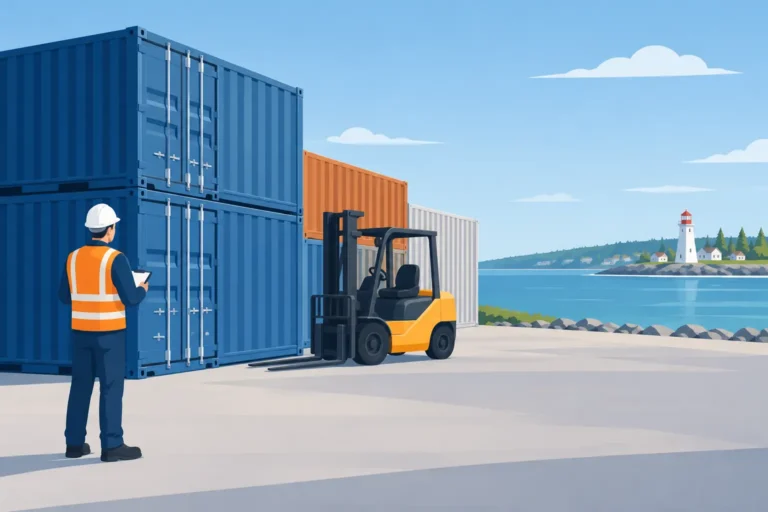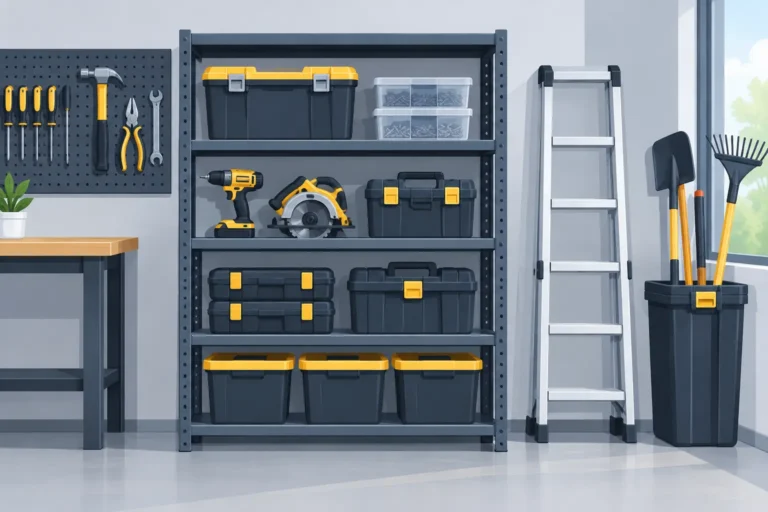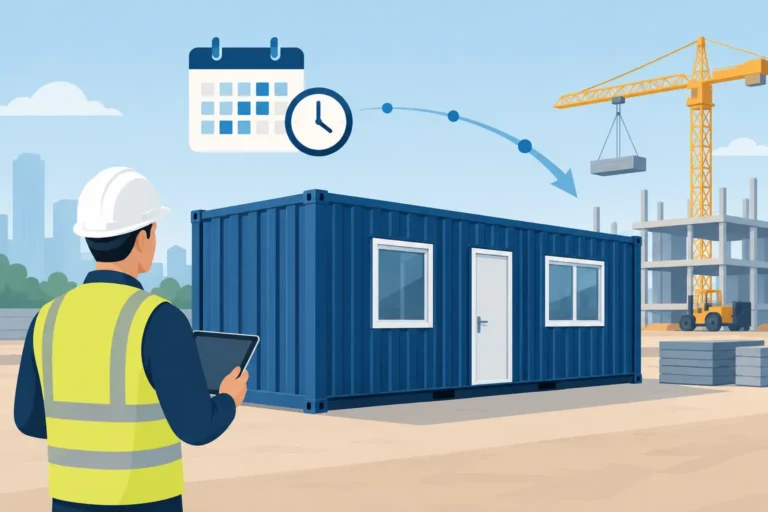

A renovation can turn a comfortable home into a series of blocked hallways, dust-covered furniture, and rooms that cannot be used for weeks. A busy retail back room can reach the same point when seasonal inventory arrives before older stock has cleared out. Local portable storage gives you a practical way to create space where the work is happening, without repeated trips to an off-site facility.
A storage container delivered to your location keeps household belongings, tools, materials, or inventory close by and under your control. For homeowners, contractors, and business operators across Eastern Ontario, that can make a demanding project easier to manage from the first day through the final cleanup.
What Local Portable Storage Changes
Traditional self-storage has a place, particularly when you need long-term space away from your property. But it also requires you to load a vehicle, travel to the facility, unload, and repeat the process whenever you need something. That routine can become a major drain on time when your stored items are part of an active project.
With portable storage, the unit is delivered to your driveway, job site, yard, or business location. You load on your schedule and access your belongings where they are needed. The value is not only in the square footage. It is in reducing the handling, travel, and coordination that come with storing items elsewhere.
This format works especially well when your needs are temporary but uncertain. Renovation schedules change. Construction phases overlap. Inventory levels fluctuate. A container rental can remain in place for the period that makes sense, rather than forcing you into a one-size-fits-all timeline.
When On-Site Storage Is the Better Choice
On-site storage is most useful when access matters as much as space. If you expect to retrieve supplies regularly, rotate stock, or protect household contents while work is underway, keeping the unit at your location is often the more efficient option.
For a home renovation, a container can hold furniture, appliances, boxed belongings, and décor while contractors work inside. Clearing rooms before demolition or flooring installation helps protect your belongings and gives tradespeople room to work safely. It can also prevent the common problem of shifting items from one room to another, only to shift them again later.
Contractors often use portable containers for tools, materials, equipment, and supplies that need to stay close to an active job site. The right unit supports better site organization and can reduce time spent collecting materials from several locations. It is still important to plan access carefully, especially if deliveries, equipment, or several trades will share a limited space.
Retailers and other businesses can use an on-site container to handle seasonal inventory, promotional materials, fixtures, archived files, or surplus supplies. This is particularly helpful when adding stock is less expensive than leasing more indoor commercial space. For businesses with frequent inventory turnover, nearby access can be more practical than warehousing goods across town.
Plan the Placement Before Delivery
The most effective storage setup starts with a realistic look at your property. A container needs a firm, reasonably level placement area and enough clearance for the delivery vehicle to enter, position the unit, and leave safely. Driveways, yards, commercial lots, and job sites all present different considerations.
Measure the available area and think beyond the container footprint. Consider gates, utility lines, tree branches, parked vehicles, drainage, and the space needed to open the container doors. If the unit will be used during a renovation or construction project, allow room for waste bins, material deliveries, and contractor access as well.
Municipal rules, condominium requirements, and property agreements can also affect where temporary storage may be placed. Checking these details before delivery is much easier than trying to adjust plans after the unit arrives. If you are unsure about site access, ask questions early when requesting a quote.
Pack for Access, Not Just Capacity
A storage container can hold a great deal, but how you load it determines whether it stays useful. The goal is not simply to fit everything inside. The goal is to find what you need without unloading half the unit.
Start with heavier, sturdier items along the floor and distribute weight evenly. Place large furniture and equipment toward the back or along the sides, then use protected gaps for boxes and smaller items. Keep frequently needed supplies near the doors. If your project will run for several months, leave a narrow centre aisle so you can reach items farther inside.
Use uniform, clearly labelled boxes whenever possible. Labels should identify both the contents and the room, department, or project phase they belong to. For business storage, a simple inventory sheet can help staff know what is inside before opening the doors. For household projects, photographing the contents of boxes before sealing them can save time later.
Moisture-sensitive belongings deserve extra attention. Clean and dry items before storing them, avoid placing cardboard directly against wet ground or damp surfaces, and use protective covers where appropriate. Do not store hazardous materials, fuel, propane cylinders, perishable food, or anything prohibited by the rental terms. A clean, organized container is safer and easier to use throughout the rental period.
Choose a Rental Term That Matches the Work
Short-term storage is useful for defined projects such as a kitchen renovation, an event, a seasonal inventory changeover, or a brief period of site work. Longer rentals are often a better fit for extended construction, ongoing business overflow, or properties where space is limited year-round.
The right term depends on more than the original schedule. Add a reasonable buffer for weather delays, contractor availability, permit timing, supply shortages, or the final stages of cleanup. Returning a unit too early can create pressure when the project is not truly finished. Keeping one longer than necessary may not be ideal either, so review your needs as the work progresses.
For commercial customers, it is worth considering whether the storage requirement is temporary or part of normal operations. If stock overflow happens at the same time every year, planning ahead can make seasonal transitions more predictable. If the need is continuous, look at how the container can support a consistent inventory system rather than becoming a catch-all space.
Security Comes From Good Habits and Good Placement
A quality storage unit provides a secure enclosure, but everyday habits still matter. Use a durable lock, keep doors fully closed and secured when the container is unattended, and limit access to people who genuinely need it. For businesses, assign responsibility for keys or access codes so there is a clear process in place.
Placement can support security as well. A well-lit, visible area near normal activity may be preferable to an isolated corner of a property, provided it does not interfere with operations. Keep the approach to the doors clear and avoid stacking materials outside the unit, where they can create tripping hazards or obstruct access.
If you are storing valuable tools, records, or equipment, keep an up-to-date inventory and check your insurance coverage. Storage needs vary, and the right precautions depend on what is being stored and how often the unit will be accessed.
A Practical Space Solution Close to Home or Work
The best storage arrangement is the one that removes friction from your project instead of adding more errands to it. For a homeowner protecting belongings during renovations, a contractor organizing a work site, or a business managing overflow, local portable storage keeps the next item you need close at hand.
GoBox Portable Storage provides delivered container rentals for customers across Eastern Ontario who need secure space at their location. Before booking, take a few minutes to measure your site, identify what must stay accessible, and estimate how long the project may realistically last. That small amount of planning can make the space work harder for you from day one.