
A renovation can turn a garage into a work area overnight. A retailer can receive seasonal inventory before there is room for it indoors. A contractor can lose valuable time each morning gathering tools from several locations. Flexible storage rentals solve these practical problems by placing secure storage where the work, household project, or inventory need already exists.
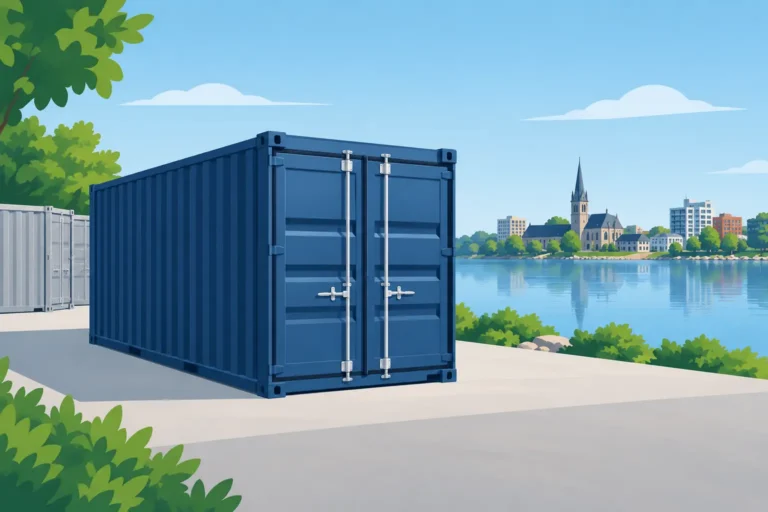
Instead of planning around a fixed storage facility, you can rent a portable storage unit for the period that suits your schedule. The unit is delivered to your property, loaded at your pace, and remains available when you need it. That simple difference can reduce handling, protect belongings from job-site clutter, and give you more control over a project that does not fit neatly into a standard timeline.
When Flexible Storage Rentals Make Sense
Flexible storage is useful whenever space is temporarily limited but access still matters. For homeowners, that may mean keeping furniture and boxes protected while a kitchen, basement, or addition is under construction. Having those items outside the work zone makes it easier for trades to do their job and helps keep dust, tools, and household belongings separate.
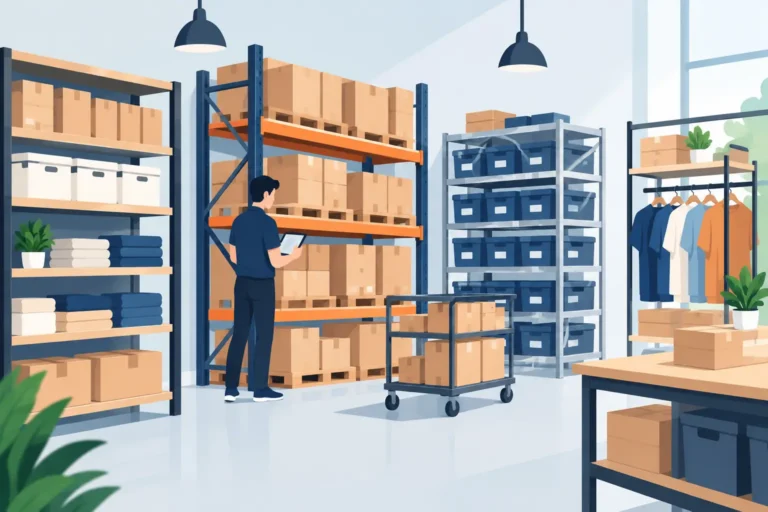
For businesses, the need is often operational. Retailers may require space for incoming stock, displays, or promotional materials. A small business may need room for records, equipment, or supplies during a busy season. Contractors and industrial teams may need a dependable place for tools, materials, and site equipment that stays close to the job.
The key benefit is not simply extra square footage. It is having that space at the location where it has the most value. When materials are nearby, staff and homeowners spend less time coordinating access and more time focused on the work at hand.
How Flexible Storage Rentals Work on Your Site
The process should be straightforward. First, consider what you need to store and where the container can sit. A driveway, yard, commercial lot, or job site may be suitable, provided there is safe access for delivery and enough clearance around the placement area. A level, firm surface helps protect both the storage unit and the property.
Once the unit arrives, you load it according to your own schedule. That matters when a project runs longer than expected or when inventory arrives in stages. There is no need to complete everything in a single day just because a truck is waiting.
At the end of the rental period, arrange for the unit to be collected. If the project timeline changes, discuss an extension as early as possible. Flexible terms are most useful when they are paired with clear communication, so you know how long the unit is available and what happens if your needs change.
Access Is the Real Advantage
A storage unit located off-site can work well for long-term items that you rarely need. On-site portable storage is better suited to belongings, stock, or equipment that must remain accessible during an active project.
That distinction is worth considering before choosing a storage option. If you expect to retrieve tools regularly, rotate retail inventory, or bring household items in and out as rooms are completed, nearby access can save considerable time. If you only need to store archives for a year with no regular access, a conventional facility may be the more economical choice.
Choosing the Right Rental Period
Short-term and long-term storage rentals serve different needs. A short rental may be ideal for a renovation phase, a cleanout, an event, or a temporary inventory overflow. A longer rental can support ongoing construction, seasonal business demand, or a household transition with an uncertain end date.
Avoid choosing a rental period based only on the optimistic version of your schedule. Renovations can be delayed by material availability, weather, inspections, or changes to the scope of work. Commercial projects can shift with sales cycles and supplier deliveries. Building a little time into your plan is often less stressful than rushing to clear a unit before the work is truly finished.
It also helps to ask how billing works for extensions, what notice is required for collection, and whether the provider can accommodate changing requirements. These details affect the real value of a rental more than a low initial rate alone.
What to Store, and How to Pack It Well
Portable storage units are versatile, but thoughtful loading makes a meaningful difference. Place heavy items on the floor and distribute weight evenly across the unit. Keep frequently needed items toward the entrance, and leave a narrow path if you expect regular access. Furniture, boxed household goods, retail stock, tools, construction materials, and business equipment can all be easier to manage when clearly labelled and organized by category.
Use sturdy boxes, protect breakable items, and avoid leaving loose objects that can shift. Shelving or palletized organization may help commercial users keep inventory easier to count and retrieve. For job-site storage, separate daily-use tools from reserve supplies so crews can find what they need without disturbing the entire unit.
Certain items should never go into a storage container. Hazardous materials, flammable products, perishable food, illegal goods, and anything that could leak, create odours, or damage the unit require another solution. If you are unsure about a particular item, confirm it before loading.
Security Starts With Good Habits
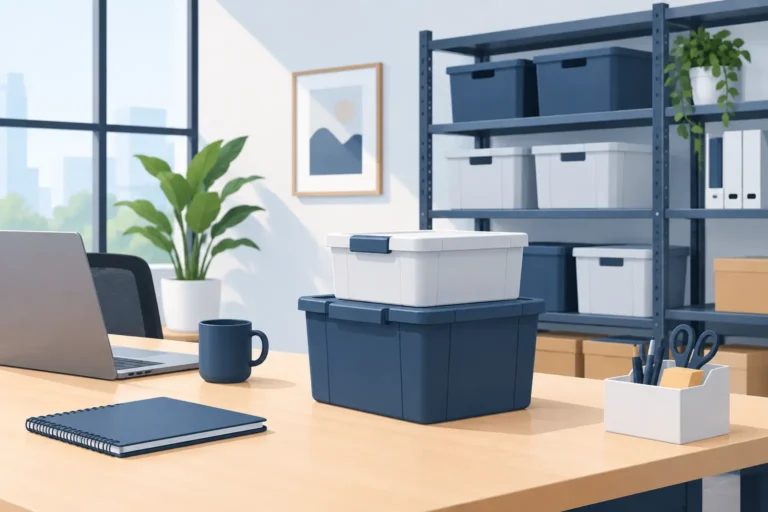
A secure container is an important part of the solution, but storage practices matter too. Keep the unit locked whenever it is unattended, limit key access to the people who need it, and avoid advertising valuable contents. Maintain a simple inventory, especially for business equipment or higher-value household items.
Before renting, ask about the condition of the unit, door operation, locking arrangements, delivery access, and any site requirements. The right provider should answer clearly and help you select an option that fits the property rather than treating every location the same.
Cost Is More Than the Monthly Rental Rate
Comparing storage options requires looking beyond one number. A lower-priced off-site unit may involve repeated vehicle trips, loading and unloading several times, staff time, fuel, and limited access outside facility hours. An on-site unit may cost differently, but it can reduce those practical burdens when materials need to stay close.
The best choice depends on how often you need access, how long you need storage, the type of items involved, and whether your property has room for a container. Businesses should also consider the cost of interrupted workflows. Homeowners should consider how much easier a project becomes when rooms and driveways are not filled with stored belongings.
For customers in Kingston and across Eastern Ontario, local service can add another layer of confidence. A provider familiar with regional properties, job sites, and service expectations is better positioned to help plan delivery and respond when schedules change.
Questions to Ask Before Requesting a Quote
A useful quote starts with the right information. Be ready to describe the storage purpose, estimated rental length, delivery address, available placement area, and the kind of access you expect during the rental. Ask whether the unit size suits the amount you plan to store and whether there are delivery considerations specific to your property.
It is also sensible to confirm rental terms, payment timing, collection arrangements, and prohibited contents. Clear answers at the start prevent surprises later and make it easier to compare options fairly.
GoBox Portable Storage brings storage directly to residential, commercial, and industrial locations, so customers can keep their projects organized without adding unnecessary handling. A quick conversation about your site and timeline can help determine whether flexible storage is the practical next step.