A renovation can turn a garage, driveway, or retail back room into a bottleneck quickly. The best uses for onsite containers all solve the same practical problem: keeping important belongings, stock, tools, or materials close by without filling every available indoor space. A storage container delivered to your property gives you access when you need it, on a timeline that fits the work.
For homeowners and businesses across Eastern Ontario, the value is not just extra square footage. It is having secure storage where the work is happening, so there is less handling, less disruption, and fewer trips to an off-site facility.
Best Uses for Onsite Containers During Renovations
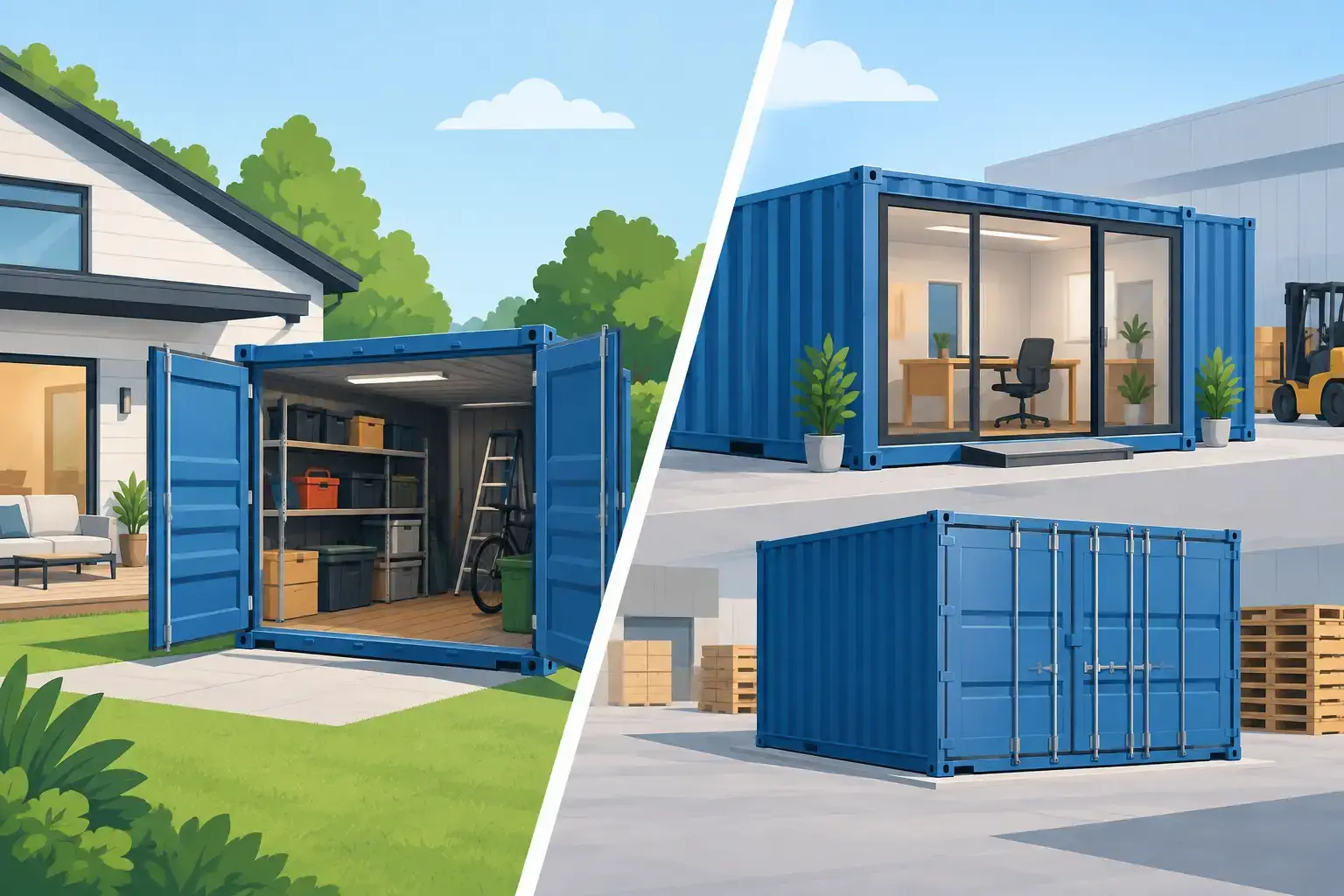
Renovation storage is one of the clearest reasons to rent an onsite container. Before demolition or trades begin, furniture, appliances, boxed belongings, and decor need a protected place to go. Keeping these items out of the work area gives contractors room to work safely and helps prevent dust, paint, and accidental damage.
A container is especially useful when the renovation affects several rooms or lasts longer than expected. Rather than stacking belongings in a basement, spare bedroom, or garage, you can keep them organized just outside. This makes it easier to bring items back in only when the space is ready.
There is a trade-off to consider. A container needs a suitable delivery and placement area, usually a driveway, lot, or other firm, accessible surface. Measure the available space in advance and consider vehicle access, overhead branches, utility lines, and local property rules. Planning the placement before delivery helps keep the project on schedule.
Seasonal projects and household decluttering
Onsite storage also works well for projects that do not involve construction. A family preparing to repaint, refloor, reorganize a garage, or clear out a basement can use a container to create breathing room without making permanent decisions about every item immediately.
Seasonal belongings are another practical fit. Patio furniture, garden supplies, sporting equipment, and holiday decor can take over valuable indoor space. A short-term container rental can hold these items while you reset a garage, prepare for an event, or complete a home project. For longer-term needs, it can provide a more convenient alternative to repeatedly carrying bulky items across town.
Job-Site Storage That Keeps Work Within Reach
Contractors and tradespeople often need more than a place to put surplus materials. They need a reliable staging area that is close to the job, available early in the morning, and accessible throughout the workday. An onsite container can store tools, equipment, supplies, fixtures, and materials in one central location.
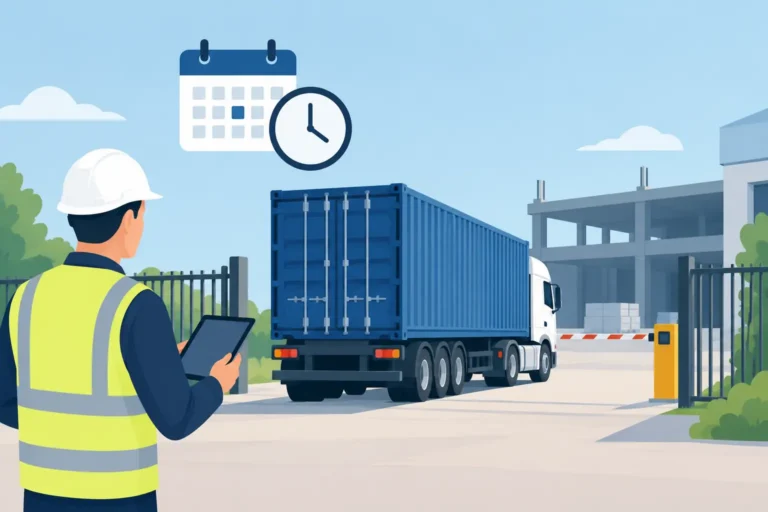
This helps reduce time spent loading and unloading vehicles each day. It can also make it easier to receive materials ahead of installation, provided items are stored safely and according to manufacturer requirements. For multi-week residential or commercial projects, keeping frequently used supplies on location can improve day-to-day organization.
Not every item should be stored in a standard container. Materials sensitive to extreme temperatures, certain chemicals, flammable products, food, and high-value equipment may require special handling or another type of storage. Review what you intend to store before booking, and make security part of the site plan rather than an afterthought.
Supporting phased construction work
Construction schedules rarely follow a perfectly straight line. Deliveries may arrive before the next phase begins, trades may overlap, or indoor areas may not yet be ready for materials. A container gives the site a buffer. It can hold flooring, cabinetry, hardware, electrical supplies, or packaged fixtures until the right installation window.
The container should support the workflow, not create another obstacle. Place it where crews can reach it without blocking entrances, equipment paths, customer parking, or emergency access. If the site changes through the project, review whether the original placement still makes sense.
Retail and Business Overflow Storage
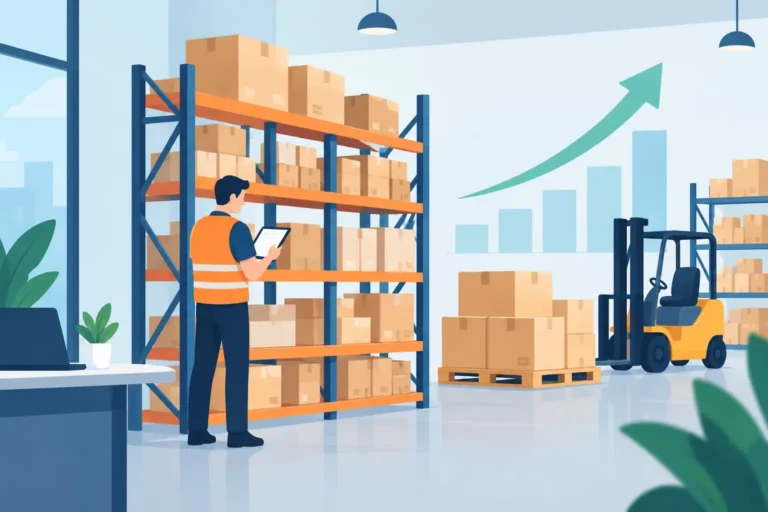
Retailers, offices, service businesses, and community organizations can all face short-term space pressure. Seasonal stock arrives early. A promotion requires more inventory than usual. A back room is being reorganized. An onsite container can create overflow capacity without forcing staff to work around piles of boxes.
For a retailer, this can mean keeping reserve inventory nearby so employees can replenish shelves as needed. For a restaurant or event venue, it may mean holding non-perishable supplies, furniture, or equipment during a refresh. For an office, it can provide temporary space for archived files, furniture, or equipment while internal layouts are updated.
The best approach depends on how often staff need access. If the container will be opened throughout the day, organize it like a small stockroom. Keep frequently used items near the door, leave a clear centre path, label boxes on more than one side, and avoid stacking so high that items become difficult or unsafe to retrieve.
Inventory planning without a permanent expansion
A container rental can be useful when demand is real but uncertain. Businesses may need additional inventory capacity for a busy season, a large contract, or a temporary operational change, without committing to a larger warehouse or long lease.
That flexibility matters for smaller operations. Instead of paying for unused space year-round, a business can rent storage for the period it needs and reassess when conditions change. The key is to match the rental term and container size to the actual volume of goods, not simply choose the largest option available.
Equipment Storage for Farms, Properties, and Facilities
Property managers, maintenance teams, farms, and recreational facilities often have tools and supplies that need to stay close to the place they are used. Onsite containers can hold maintenance equipment, replacement parts, groundskeeping supplies, portable furnishings, and project materials.
This is particularly helpful when a property has limited enclosed storage or when an existing shed is already full. By separating frequently used equipment from seasonal or reserve items, teams can make their permanent storage areas safer and easier to manage.
For facilities with several users, assign clear responsibility for access and organization. A container works best when everyone knows where items belong, what is being stored, and who is responsible for locking it at the end of the day. A simple inventory sheet can prevent duplicate purchases and reduce time spent looking for equipment.
Choosing the Right Onsite Container Setup
The right container is not always the biggest one. Start by estimating what you need to store, how long it will be there, and how often you will need access. Furniture and boxed household items take up volume quickly. Tools, materials, and retail stock may need more aisle space for safe retrieval.
Pack with access in mind. Put heavier items on the floor, distribute weight evenly, and keep the door area clear. Use sturdy boxes where possible, label contents clearly, and protect delicate items with appropriate packing materials. If your rental will span changing weather, avoid placing moisture-sensitive belongings directly on the floor and keep items properly covered and packed.
It is also worth thinking about timing. Booking before a renovation begins, inventory arrives, or a job site becomes crowded gives you more control over placement and packing. A container is most useful when it is part of the plan from the start, not an emergency response after space has already run out.
For homeowners, contractors, and businesses in Kingston and surrounding Eastern Ontario communities, GoBox Portable Storage can bring secure storage directly to the location where it will do the most good. A clear estimate of your space, access needs, and rental timeline is the best first step toward a storage setup that keeps your project organized from day one.