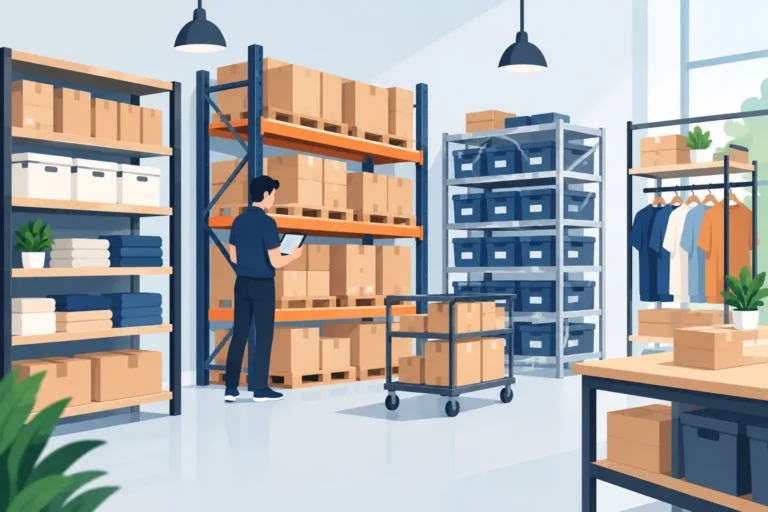
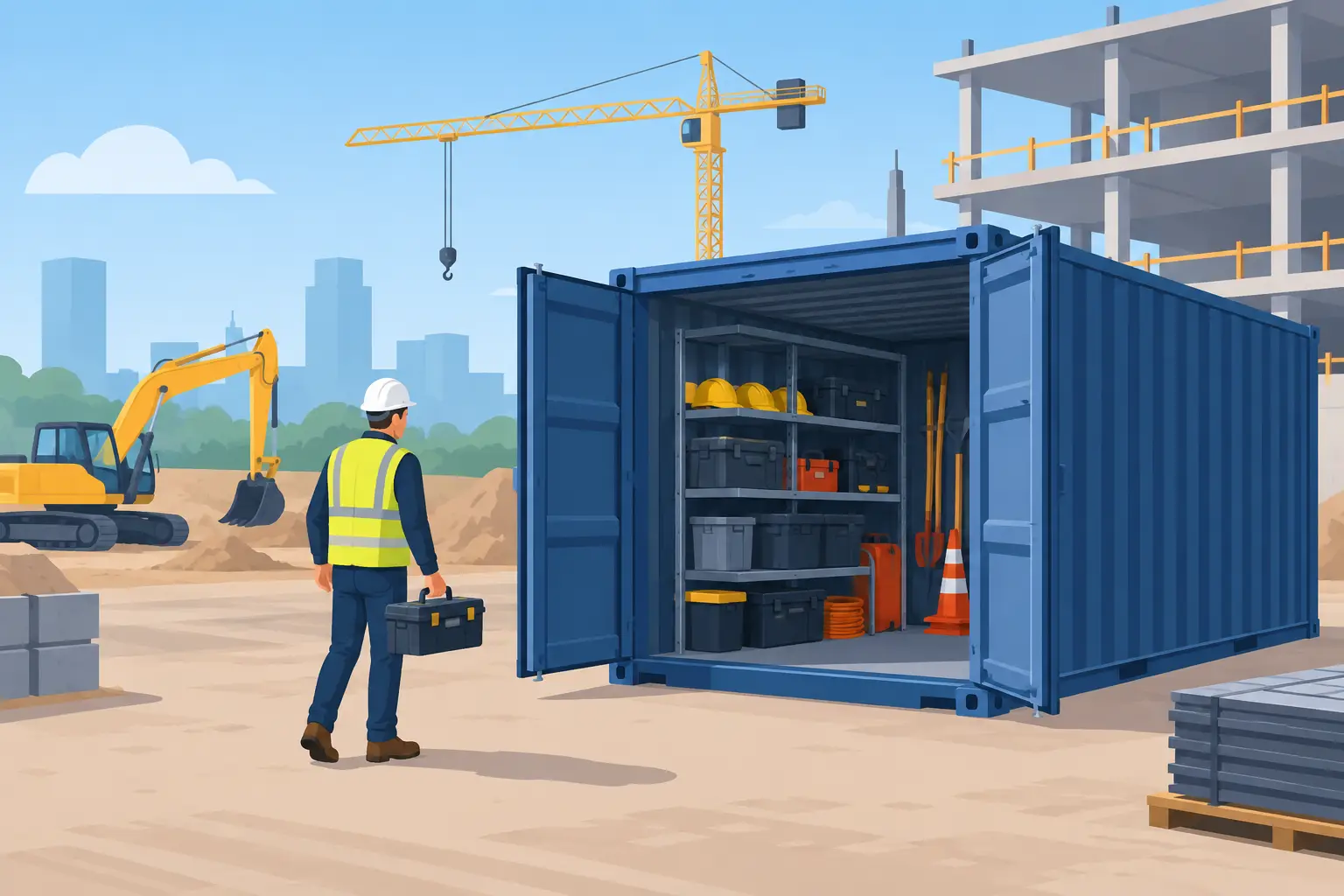
A job site can lose time quickly when materials are scattered, tools are carried back and forth each day, or valuable equipment is left exposed. This contractor container storage guide explains how an on-site storage unit can help create a cleaner, more secure, and more productive work area from the first day of a project through final cleanup.
For contractors across Eastern Ontario, portable storage is often less about having extra space and more about keeping the workday organized. When the storage unit is delivered to the location where work is happening, crews can access what they need without adding unnecessary trips to a warehouse or off-site facility.
Contractor container storage guide: start with the job
The right storage plan starts with the type of work being completed. A kitchen renovation, commercial fit-out, roofing project, landscaping contract, or larger construction job will each create different storage needs. Think beyond the tools currently on site. Consider the materials arriving next week, seasonal equipment, safety supplies, packaging, and items that need to stay clean and dry until installation.
A portable container works best when it supports the flow of the job. If crews need frequent access to power tools, fasteners, ladders, or finishing materials, those items should be stored close to the door. Bulk materials and less frequently used equipment can go farther inside. A little planning at the start prevents the container from becoming a place where people waste time searching.
It also helps to estimate how long storage will be needed. Short-term rentals can suit a defined project with a clear end date. Longer rentals may make more sense for contractors handling ongoing work, rotating equipment between sites, or storing supplies during a slower season. Flexible rental terms are valuable because construction timelines can change due to weather, inspections, supplier delays, or added client requests.
Choose a container size that leaves working room
A container that is too small fills up fast and becomes difficult to use safely. One that is much larger than necessary can take up valuable site space. The practical choice depends on the volume of equipment, how often the crew needs access, and whether materials must be stored in separate categories.
Do not plan around a container being packed wall to wall. Leave a clear aisle from the doors to the back whenever possible. This gives workers access to stored items without unloading half the unit. It also makes it easier to spot low inventory, water concerns, or damaged packaging before those issues affect the work.
For many projects, storage needs fall into three simple groups: tools and equipment used daily, materials needed in the near term, and surplus items that should be secured but do not need regular access. Keep the daily-use group closest to the entrance. Use sturdy shelving, stackable bins, and labelled totes where appropriate, but avoid stacking heavy materials beyond what can be safely handled.
Select the right placement on site
Where a container sits can matter as much as what goes inside it. The delivery area should be reasonably level, firm, and accessible for the delivery vehicle. A location that looks open may still have overhead wires, branches, parked vehicles, soft ground, or tight turns that need to be considered before delivery day.
Place the unit where crews can reach it easily without creating a hazard for workers, clients, delivery vehicles, or the public. The doors need enough clearance to open fully, and the approach to the container should stay clear of debris, snow buildup, and standing water. If equipment such as skid steers, lifts, or delivery trucks will operate nearby, allow enough space for safe turning and loading.
On residential projects, placement should also respect the property and the surrounding neighbourhood. A container positioned on a stable driveway or another approved area can reduce disruption while keeping materials close at hand. If the container will be on a street or public space, check local requirements before arranging delivery.
Keep tools and materials protected
A storage container provides a secure, enclosed place for job-site property, but good security still comes down to daily habits. Lock the container whenever it is unattended, limit key or code access to responsible team members, and keep an up-to-date inventory of valuable equipment. For higher-value tools, record serial numbers and store the list separately from the container.
Organizing the container also protects materials. Keep cardboard boxes and moisture-sensitive items raised off the floor using pallets or shelving. Separate paints, adhesives, fuels, chemicals, and other products according to manufacturer guidance and applicable safety rules. Some materials may have temperature, ventilation, or storage restrictions, so a container is not automatically the right place for every product.
A quick weekly check is worthwhile. Look for damaged packaging, spills, clutter near the entrance, and materials that are no longer needed on site. This protects your supplies and keeps the unit useful rather than turning it into an overlooked holding area.
Build storage into the crew routine
The best job-site storage systems are simple enough that everyone follows them. Assign clear zones, label common items, and make returning tools part of the end-of-day routine. When each worker knows where equipment belongs, the next morning starts faster and fewer items go missing.
Consider designating one person to monitor supplies. That does not have to mean a full inventory every day. It can be as straightforward as checking fasteners, consumables, safety gear, and high-use materials before they run low. A container makes this easier because the stock is in one dependable location instead of spread across vehicles and temporary work areas.
For multi-stage projects, review the container layout as the job changes. Early demolition and framing work may require space for larger equipment and bulk supplies. Later finishing work may need cleaner, more carefully organized storage for fixtures, trim, flooring, and specialty tools. Adjusting the setup along the way keeps the unit aligned with the work currently underway.
Know when portable storage is the practical choice
On-site container storage is particularly useful when a project has limited interior space, when the work area needs to stay clear for trades, or when daily loading and unloading would create avoidable labour costs. It can also help contractors keep customer property separate from job materials and maintain a more professional site.
There are trade-offs. A container requires an accessible placement area, and it may not be suitable for temperature-sensitive or regulated materials. In some cases, a combination of locked storage, indoor staging, and just-in-time deliveries is the better approach. The goal is not to store everything. It is to store the right items where they will save time and reduce risk.
For contractors working in Kingston and across Eastern Ontario, GoBox Portable Storage can deliver a secure rental container directly to the job site, with rental timing that fits the realities of the project. Before requesting a quote, confirm your required space, preferred placement area, and expected rental period.
A well-placed container will not replace good site management, but it gives your crew a reliable base for it. Set it up with intention, keep access clear, and review the layout as the job progresses so your storage continues to support the work rather than slow it down.