A renovation rarely follows the calendar exactly. A retail delivery may arrive before shelf space is ready, or a job site may need a secure place for tools before the next trade begins. Container rentals give you usable storage where the work is happening, without requiring repeated trips to an off-site facility.
For homeowners, contractors, retailers, and business operators, the advantage is straightforward: your belongings, inventory, equipment, or materials stay close at hand. You can access what you need on your own schedule while keeping work areas, garages, stockrooms, and job sites more organized.
How Container Rentals Work at Your Location
A portable storage container is delivered to your property, business, or job site and placed in an agreed-upon location. Once it is in place, you load it at a pace that suits your project. When the rental period is finished, the provider collects the container.
That simple model works because it cuts out an unnecessary layer of handling. Instead of loading items into a vehicle, taking them to storage, and returning whenever something is needed, the storage is already on site. For a contractor managing materials and equipment, that can mean less time spent coordinating access. For a homeowner completing a renovation, it can mean keeping furniture and seasonal items protected without filling every spare room.
Delivery access matters
Before booking, look at the area where the container will sit. A provider needs a safe route to deliver and position it, with enough clearance for the delivery vehicle and the container itself. Driveways, parking areas, side lots, and suitable commercial yards can all work, depending on the site.
Think about overhead branches, utility lines, gates, parked vehicles, soft ground, slopes, and tight turns. A container should sit on firm, reasonably level ground so the doors can operate properly and the unit remains stable through changing weather.
If the container will be placed at a commercial location, consider traffic flow as well. It should be convenient for staff without blocking customer parking, loading areas, fire routes, or regular deliveries. A quick site review before requesting a quote prevents avoidable delays later.
Keep access practical
On-site storage is only useful if the items inside are easy to reach. Place frequently needed equipment or stock near the doors and leave a clear aisle through the container. Use sturdy shelving or stacked, labelled bins when appropriate, rather than creating a wall of boxes that has to be unpacked to find one item.
For longer rentals, make a simple inventory list. It does not need to be complicated. Recording what went in, when it was stored, and where it sits in the container can save time for a busy household or crew.
Choosing Container Rentals for the Right Need
The best rental arrangement depends on what you are storing, how often you need access, and how long the situation is likely to last. Short-term storage can suit a focused renovation, seasonal retail demand, or a temporary job-site requirement. Longer-term rentals can make sense when a business needs reliable overflow space or a property needs extra room over several months.
Start with the volume of what you need to store, but do not stop there. A container that fits everything tightly may not be the best choice if you need regular access to tools, inventory, or supplies. In that case, extra room for an aisle is often worth it.
When speaking with a local provider, be ready to explain four practical details:
- what you plan to store and whether the items are boxed, palletized, loose, or oversized
- the approximate rental length, including whether the end date is flexible
- where the container will be placed and any access limitations on the property
- how often you will need to enter the container during the rental period
These details help shape a rental recommendation that matches the actual project rather than an estimate based on square footage alone.
Common Uses for Portable Storage Containers
Residential customers often use container storage during renovations, estate cleanouts, major decluttering projects, or temporary household transitions. Keeping rooms clear can give trades more space to work and reduce the risk of damage to furniture, boxes, and personal belongings.
For retail businesses, an on-site container can support seasonal inventory, promotional materials, fixtures, or surplus stock that does not need to take up valuable selling space. Having inventory nearby also gives staff more flexibility than relying solely on a distant warehouse.
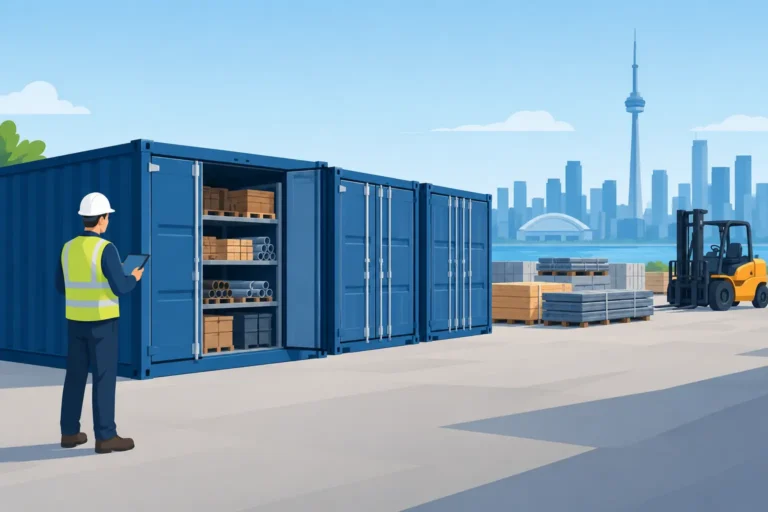
Contractors and industrial teams may use containers for job-site tools, building materials, safety equipment, or supplies that need to remain accessible throughout a project. The right setup can help reduce clutter in work areas and keep essential items in one designated place.
There is a trade-off. A container provides convenience and on-site access, but it requires a suitable placement area. If a property has very limited access, shared parking restrictions, or no safe level surface, another storage arrangement may be more appropriate. Asking those questions early is part of choosing the right solution.
Plan for Eastern Ontario Conditions
In Eastern Ontario, placement planning deserves extra attention. Spring thaw can soften ground, summer storms can affect access, and winter snow clearing can make a convenient location less practical. Choose a spot that remains accessible in the conditions expected during your rental term.
Avoid placing the unit where roof runoff may collect, where snowbanks regularly build up, or where plowing could block the doors. At a business or job site, let staff and service providers know where the container is located so equipment, deliveries, and snow clearing can continue safely around it.
Municipal rules, property agreements, and site requirements can vary. If the container is intended for a street, shared lot, condominium property, or another controlled area, confirm permission before delivery. A locally focused provider can help you consider the practical site questions that are common across the Kingston area and surrounding communities.
Understand the Rental Term and Total Value
The lowest advertised price is not always the best fit if the rental term is too rigid or the service does not match your site needs. A useful quote should make the main costs clear, including delivery, collection, rental duration, and any factors related to location or access.
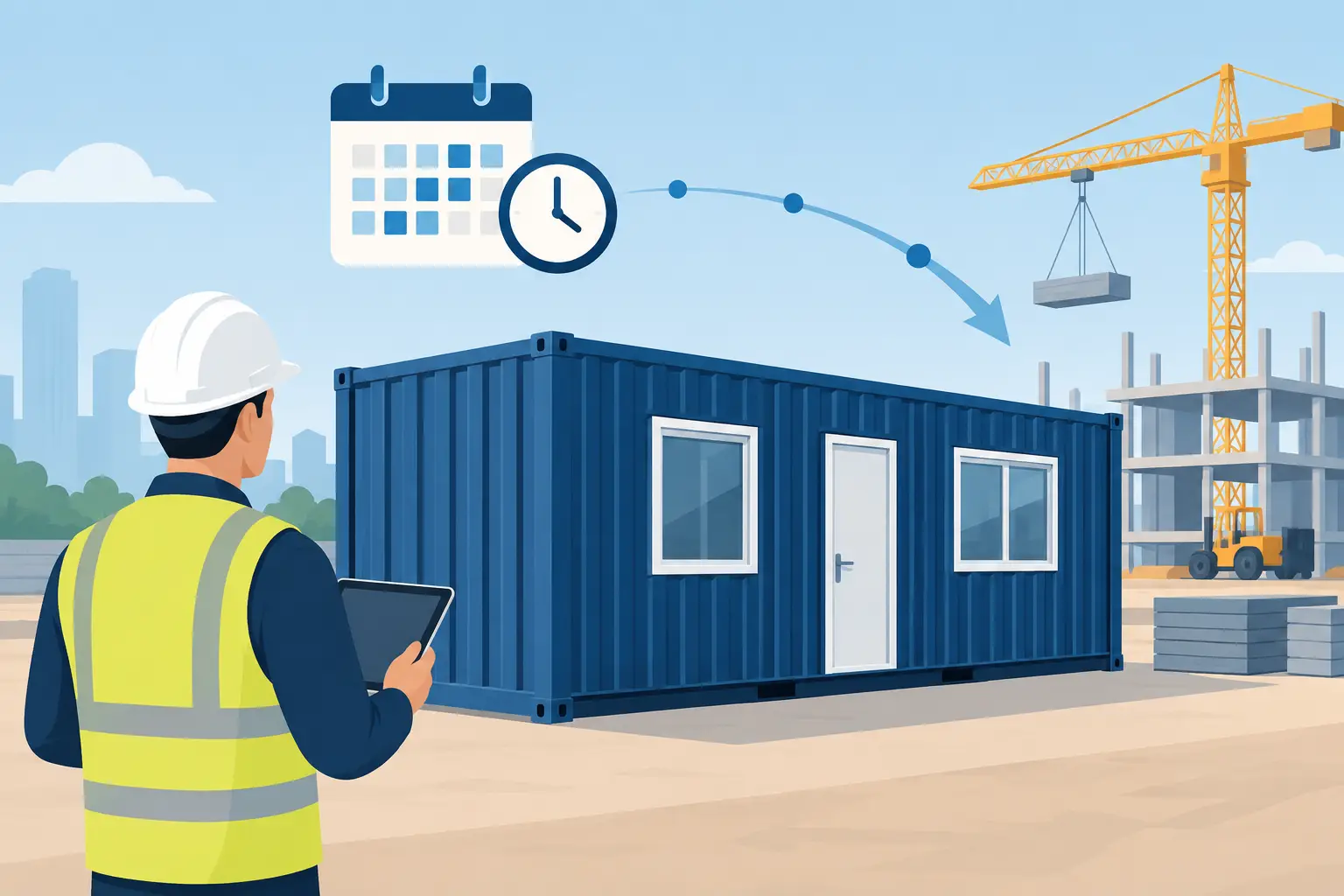
Be realistic about timing. Renovations and commercial projects can change, and inventory needs may extend beyond the original plan. Ask how extensions are handled and what notice is needed when you are ready for collection. Flexible terms are especially valuable when an end date depends on contractors, permits, sales cycles, or weather.
It is also worth comparing the practical cost of on-site storage with the time spent making repeated trips to an off-site unit. For many customers, keeping storage at the property reduces disruption and makes daily work easier. The value is not only the container itself, but the time and effort it can save throughout the rental.
Store Safely and Protect What Matters
Pack heavier items low and distribute weight across the floor rather than concentrating it in one corner. Use pallets, shelving, or protective coverings when they are appropriate for the contents. Keep doors and access points clear, and ensure the container is secured whenever it is unattended.
Do not store hazardous, illegal, perishable, or prohibited materials. If you are unsure whether a particular item is suitable, ask before loading it. This protects the container, your property, and the people working around the site.
For businesses, assign responsibility for access and basic housekeeping. A container works best when someone is accountable for keeping it organized, secured, and ready for the next delivery, workday, or inventory check.
GoBox Portable Storage provides a straightforward way to bring secure storage to homes, businesses, and job sites across Eastern Ontario. When requesting a quote, share your location, the intended use, your preferred placement area, and expected timeline. A clear plan at the start gives you storage that supports the work in front of you instead of adding another task to manage.