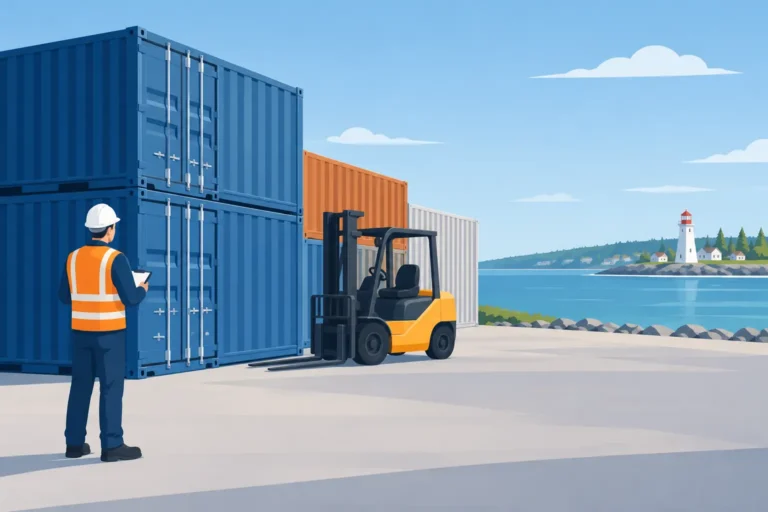
A renovation can take over a garage in a weekend. A busy contractor can run out of secure job-site space before the next delivery arrives. For both situations, storage container rental provides a practical answer: keep the items you need close by, without filling your home, shop, or work area.
Instead of loading belongings or materials into a facility across town, an on-site container is delivered directly to your location. You load it at a pace that fits the project, access it when needed, and keep your property more organized while the work is underway.
What Storage Container Rental Changes
The main value of portable storage is not simply extra square footage. It is having usable storage where the work is happening. That difference can save time, reduce unnecessary handling, and make a temporary disruption easier to manage.
For a homeowner, an on-site container can hold furniture, boxes, tools, and other household items while rooms are being updated. There is less need to stack belongings in hallways, spare rooms, or a neighbour’s garage. Contractors can keep tools, supplies, and materials protected nearby instead of making repeated trips to collect what the crew needs.
Businesses benefit for similar reasons. Retailers can create room for seasonal stock. Offices can store files, furniture, or equipment during a reconfiguration. Industrial operations can use a container to hold supplies close to the point of use. The right setup depends on what is being stored, how often it will be accessed, and how long the extra space will be required.
Delivery at Your Location Makes the Difference
A conventional storage facility may suit items that do not need regular access. But if you expect to retrieve tools every day, add inventory each week, or clear space gradually, an on-site unit is usually the more practical option.
Delivery also gives you more control over your timeline. You can load in stages rather than trying to complete everything within a single rental-vehicle booking or a narrow facility-access window. That flexibility matters when weather delays work, trades schedules shift, or a household project takes longer than first expected.
Choosing the Right Storage Container Rental Setup
Before requesting a quote, think about the container’s job on your property. A clear plan helps ensure the unit is positioned safely and is large enough for the items you want to protect.
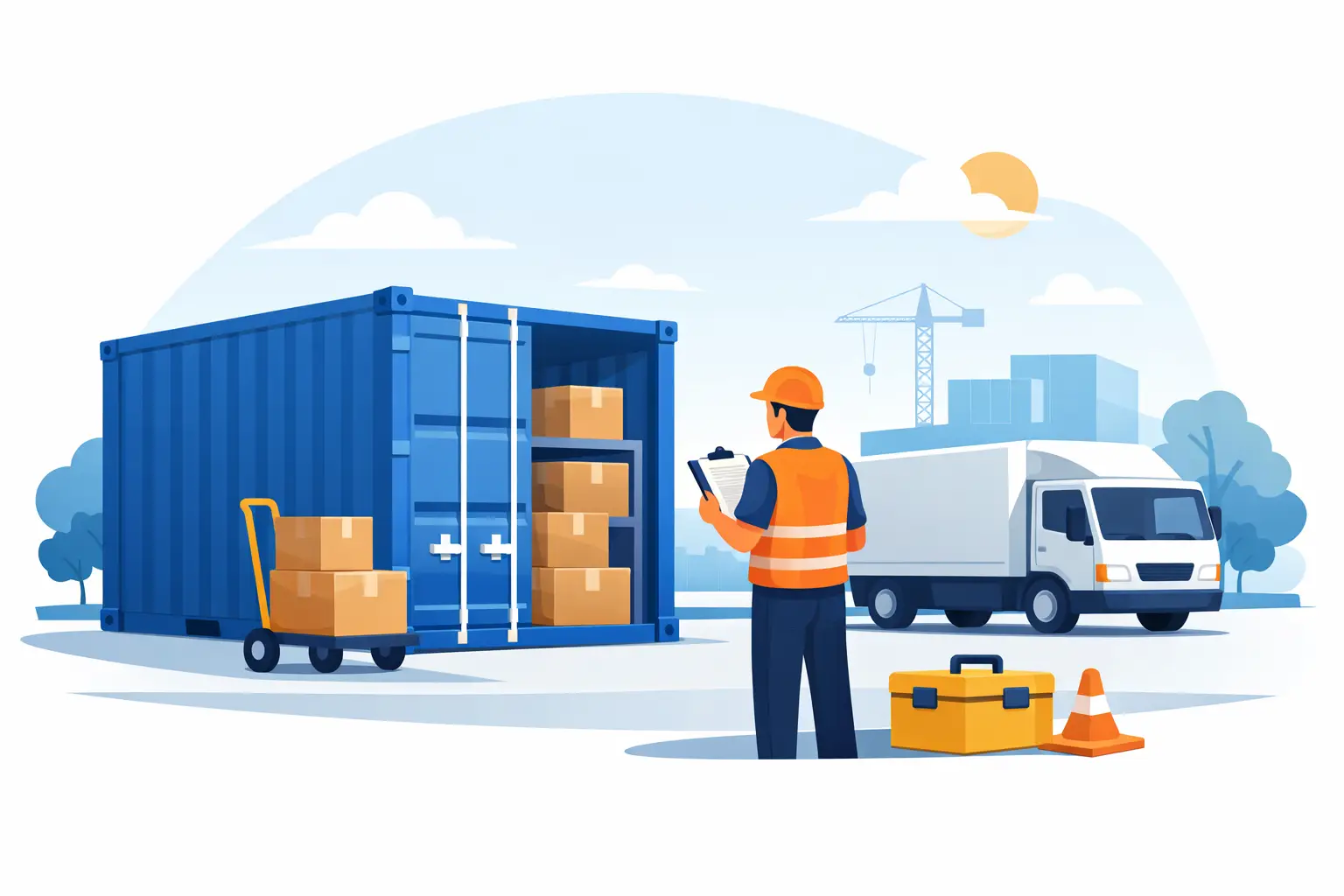
Start with volume, but do not only count boxes. Consider bulky furniture, shelving, equipment, material pallets, and the walking space needed to reach items later. A tightly packed container may maximize capacity, but it can be frustrating if important supplies are buried at the back. If regular access is part of the plan, leave a centre aisle and place frequently used items near the doors.
Placement deserves equal attention. The delivery area should be reasonably level, firm, and accessible for the delivery vehicle. Think about door clearance, vehicle traffic, drainage, and whether the container will interfere with contractors, customers, or normal use of the property. A location that looks convenient at first can create problems if the doors cannot open fully or if vehicles need to pass through the same space.
It is also worth checking local property requirements before delivery. Some locations may have rules related to placement, duration, or visibility. Asking early prevents a last-minute scramble and allows the container to be positioned with confidence.
Practical Uses for Homes and Worksites
Portable storage works best when space is temporarily limited but the items themselves still need to stay within reach. That includes many common situations across Kingston and Eastern Ontario.
At home, a container is useful during kitchen, bathroom, basement, or whole-home renovations. Keeping furniture and boxed items outside the active work area protects them from dust and helps contractors work without navigating around household clutter. It can also support a decluttering project, estate cleanout, or a transition between occupancy dates.
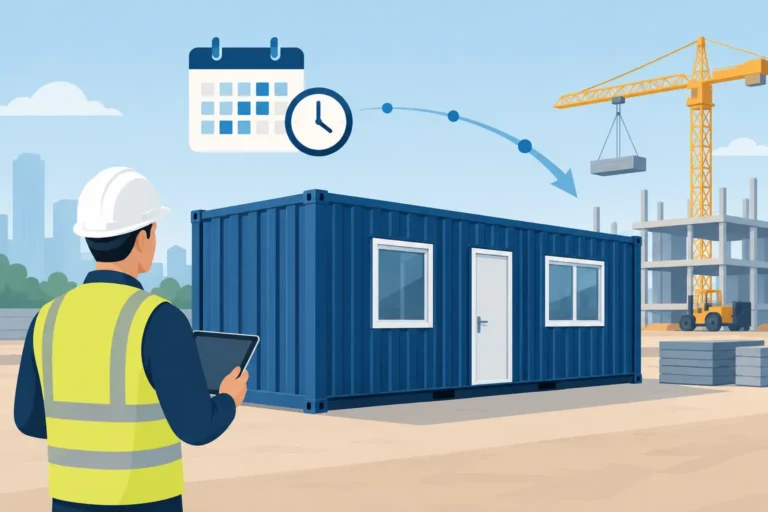
For contractors, secure storage at the job site can simplify daily operations. Tools and material can be stored in one designated place, helping crews start the day prepared and keeping the site more orderly. It is not a replacement for good inventory control, but it can reduce the time spent locating equipment and supplies.
Commercial customers often use containers for overflow inventory, archived records, displays, fixtures, and equipment that does not need permanent indoor space. Seasonal businesses may need extra capacity for only part of the year, while growing operations may need short-term room before committing to a larger facility. Rental terms should reflect that reality rather than forcing a long commitment for a temporary need.
Protect What You Store
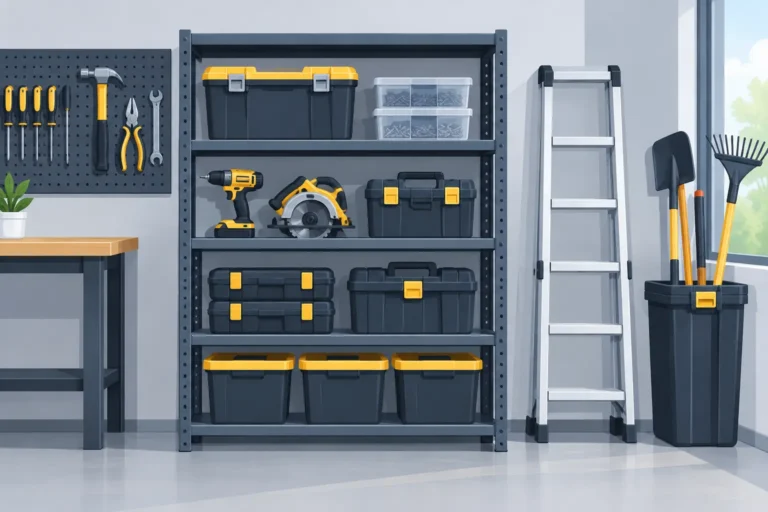
Storage conditions matter just as much as convenience. Pack items in sturdy boxes, label them clearly, and keep heavier materials low and evenly distributed. Avoid placing loose items where they can shift when doors are opened. Shelving can improve access for lighter supplies, provided it is stable and appropriate for the container.
Keep moisture-sensitive items raised off the floor where possible. Use pallets or other suitable supports, especially for boxed records, wood furniture, or materials that should not sit directly on the container floor. Leave a little space around stored goods to encourage airflow, and do not store hazardous, flammable, illegal, or perishable materials unless you have confirmed they are permitted.
Security starts with the container itself, but good habits matter too. Keep the doors locked whenever the unit is unattended, limit key access to the people who need it, and avoid leaving high-value tools visible near the entrance. For a commercial site, assign responsibility for locking up at the end of each day so the process is consistent.
Getting a Quote That Matches the Job
The lowest advertised monthly rate is not always the most useful measure of value. A storage solution should be assessed by the total effort it removes from the project. Delivery, pickup, rental duration, access, container condition, and service responsiveness all affect whether the arrangement works well in practice.
When requesting a quote, be ready to explain where the container will be placed, how long you expect to need it, and whether access will be frequent. If the schedule is uncertain, say so. A provider can help you choose a rental approach that allows room for changes instead of making you guess at an exact end date.
Ask what is included in delivery and pickup, what site conditions are needed, and how rental extensions are handled. Clear answers at the beginning make it easier to budget and avoid surprises later. For commercial customers, it can also help to ask about ongoing rentals if additional space may be needed across several projects or seasons.
Make the Container Work Harder for You
An on-site unit is most useful when it is treated as part of the project plan, not as a place to put everything out of sight. Set aside time to organize the container as you load it. Group items by room, trade, department, or project phase. Keep a simple inventory of higher-value equipment and label boxes on more than one side.
For longer rentals, revisit the contents occasionally. Remove items that are no longer needed, bring forward supplies that will soon be used, and keep pathways open. A few minutes of organization can prevent wasted time later, especially on an active worksite.
GoBox Portable Storage brings secure portable storage to homes, businesses, and job sites throughout Eastern Ontario, with rental options suited to real project timelines. The right container in the right location can turn a crowded property into a safer, more workable space – and give you room to focus on the work in front of you.