
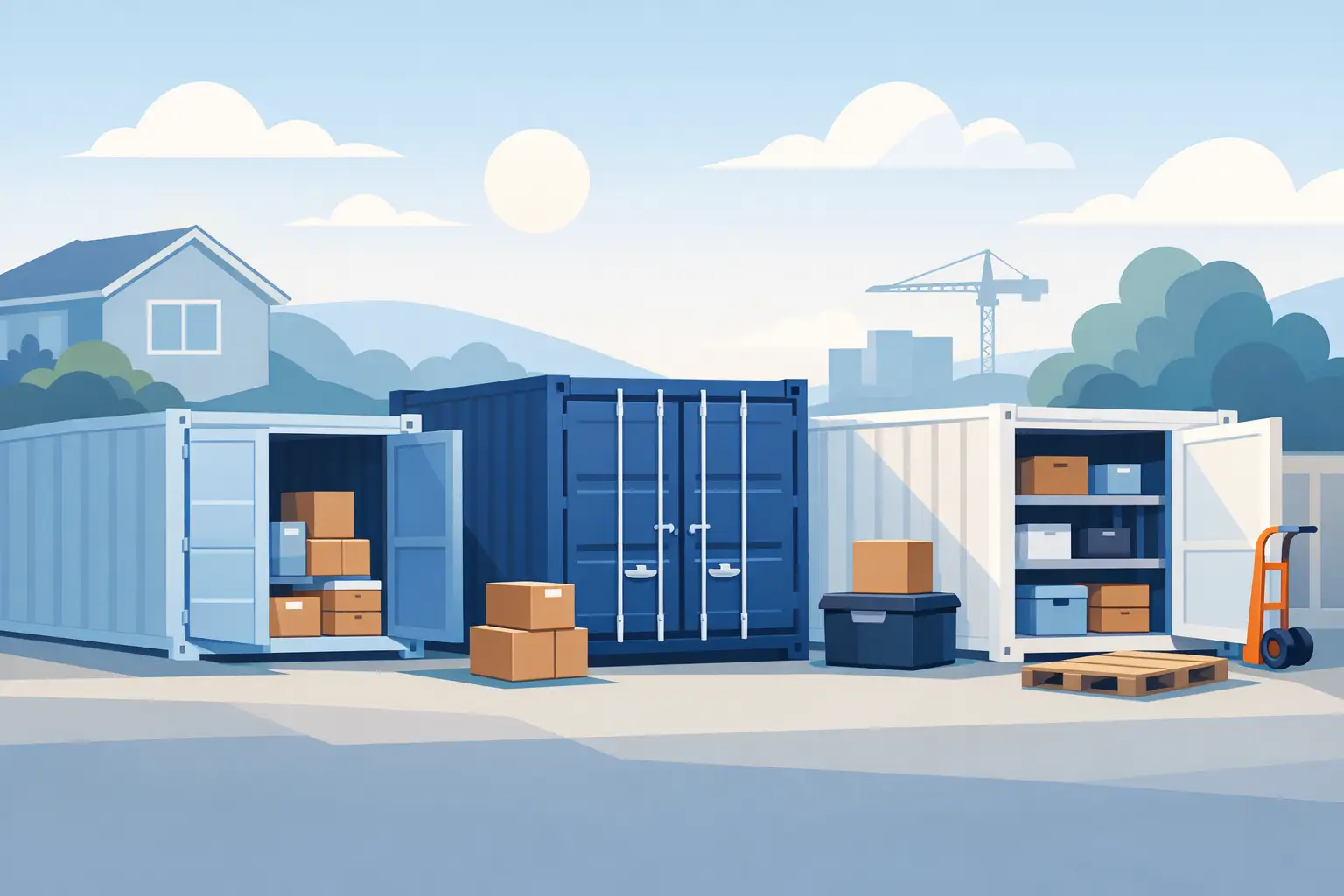
A renovation can turn a garage, driveway, or living room into a holding area for furniture and boxes far faster than expected. When household items need a secure place close by, an on-site storage container gives you room to work without giving up access to the things you use every day.
Home storage containers are delivered to your property, rented for the time you need, and kept where your belongings are most convenient to reach. For homeowners and renters across Eastern Ontario, that can mean less handling, fewer trips across town, and a more manageable household project.
When Home Storage Containers Make Sense
Portable storage is a practical choice whenever your available space no longer matches the work happening at home. It is especially useful during kitchen, bathroom, basement, and flooring projects, when contractors need clear access and household belongings need protection from dust, paint, and accidental damage.
It also works well for decluttering before a sale, preparing a home for new tenants, accommodating a family transition, or creating breathing room after an inheritance. Instead of deciding quickly what to keep, donate, or discard, you can place items in secure nearby storage and sort through them at a sensible pace.
For many households, the main benefit is access. A storage unit at your location lets you retrieve seasonal items, tools, furniture, or records when needed. That is different from storing everything in a facility where every visit requires a drive, loading, and unloading.
How On-Site Storage Changes the Workday
Space affects how efficiently a home project runs. If furniture is stacked in hallways and boxes fill spare rooms, it becomes harder to clean, renovate, organize, or host tradespeople. Clearing those areas creates a safer, more usable work zone.
An on-site container can also help keep the project contained. Store furnishings from the room being updated together, label boxes by room, and place frequently needed items near the door. When the work is complete, returning belongings becomes a controlled task rather than a search through several crowded rooms.
This approach is useful for contractors working on occupied homes as well. Homeowners can keep personal effects out of the active work area while still retaining control over their belongings. The contractor gets clearer access, and the household avoids using a neighbour’s garage or an unsecured temporary shelter.
There are trade-offs to consider. An on-site unit requires a suitable delivery location, and it may take up driveway or yard space while it is rented. Before arranging delivery, think about vehicle access, overhead clearance, ground conditions, and how the container will affect daily parking. A straightforward conversation before delivery can prevent avoidable complications.
Choose a Location You Can Use Safely
The best location is level, accessible, and close enough to make loading practical without blocking essential access. A driveway is often the simplest option, but every property is different. Keep room for vehicles, waste collection, emergency access, and contractor equipment if work is underway.
Check for low branches, overhead wires, narrow gates, and soft ground. In winter, snow and ice management deserve attention too. A clear, stable placement area helps protect the property and makes it easier to access the unit throughout the rental period.
What to Store in a Home Container
Most dry, non-perishable household items are well suited to portable storage. Furniture, boxed kitchenware, books, seasonal decorations, sporting equipment, tools, and home office contents can all be organized inside a secure unit. Place heavier boxes on the bottom, distribute weight across the floor, and leave a narrow aisle if you expect to retrieve items regularly.
Use sturdy boxes of similar sizes where possible. They stack more safely and make better use of the available space. Label each box on more than one side, rather than only on the top, so you can identify contents after stacking. Mattress covers, furniture pads, and plastic bins can add protection for items that may be stored for an extended period.
Some materials do not belong in a storage container. Avoid hazardous products, fuel, propane cylinders, fireworks, perishable food, live plants, and anything that could leak, spoil, attract pests, or create a safety risk. If you are uncertain about a particular item, ask the storage provider before loading it.
Pack for Access, Not Just Capacity
Filling every inch of a container can be tempting, but it is not always the right choice. If the rental supports a multi-week renovation or ongoing household sorting project, leave space to walk in and reach key items. Put items you will need first near the door, and keep rarely used belongings farther back.
A simple inventory helps. Take photos of high-value items, note which boxes contain essentials, and keep that list on your phone or in a folder at home. This small step saves time when a tool, document, or seasonal item is suddenly needed.
Rental Timing Should Match Real Life
Household schedules rarely follow a perfect calendar. A project may take longer than expected because of weather, material delays, trade availability, or a change in scope. Flexible short-term and longer-term rental options give you space to respond without rushing decisions about your belongings.
When comparing options, look beyond the container itself. Ask how delivery and pickup are arranged, what site access is required, how rental extensions work, and what security features are provided. Clear terms matter because they help you plan around the actual timeline rather than an ideal one.
Local service can make this process easier. A provider familiar with Kingston and surrounding Eastern Ontario communities understands that rural driveways, town properties, and seasonal conditions can require different planning. GoBox Portable Storage brings storage directly to the customer, helping households keep their projects organized without adding unnecessary transportation to the job.
Getting Ready for Delivery
A little preparation makes delivery day easier. Measure the intended placement area, remove obstacles, and ensure the route to the site is clear. If you share a driveway, live in a townhouse community, or rent your home, confirm any property rules or permissions before arranging delivery.
Once the container arrives, load it methodically. Start with large, durable items along the walls and place lighter boxes on top. Protect delicate furniture, avoid overloading individual boxes, and do not create unstable stacks. Keep the container locked whenever it is unattended, just as you would with a garage or shed.
The goal is not simply to put belongings somewhere else. It is to make the rest of your home easier to use while work, sorting, or a household change is underway. Requesting a quote early gives you time to confirm placement, rental timing, and the storage size that fits your property. With the right setup, the extra space can turn a crowded project into one that feels far more manageable.