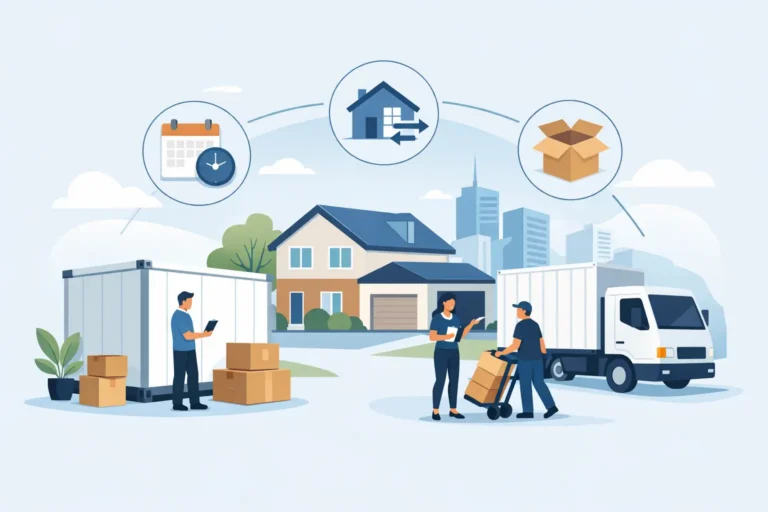

A household transition rarely happens on one tidy date. Possession dates shift, renovations run long, and a new home may not be ready for every box at once. Residential moving and storage works best when it gives you room to handle those gaps without filling your driveway, garage, or living room with belongings.
For many households, portable storage is a practical middle ground. The storage unit comes to your property, you load it on your schedule, and your items stay close when you need access. That can reduce repeated handling and make a demanding change feel more manageable.
Why timing creates the biggest challenge
Most household transitions involve more than one deadline. You may need to clear out a current property before access to the next one is available. You may be staging a home for sale, waiting for flooring to be installed, or sharing space with family while plans are finalized.
Traditional self-storage can work well when you have the time and vehicle capacity to transport items to a facility. But it also adds another set of trips: loading a vehicle, unloading at storage, then loading and unloading again later. For large furniture, seasonal belongings, or a full household’s overflow, that extra handling can add pressure quickly.
An on-site portable unit keeps storage where the work is happening. Instead of deciding everything in one weekend, you can sort, pack, and load in phases. This is especially useful when dates are uncertain or when you want to keep essential items accessible until the last possible day.
How residential moving and storage works on-site
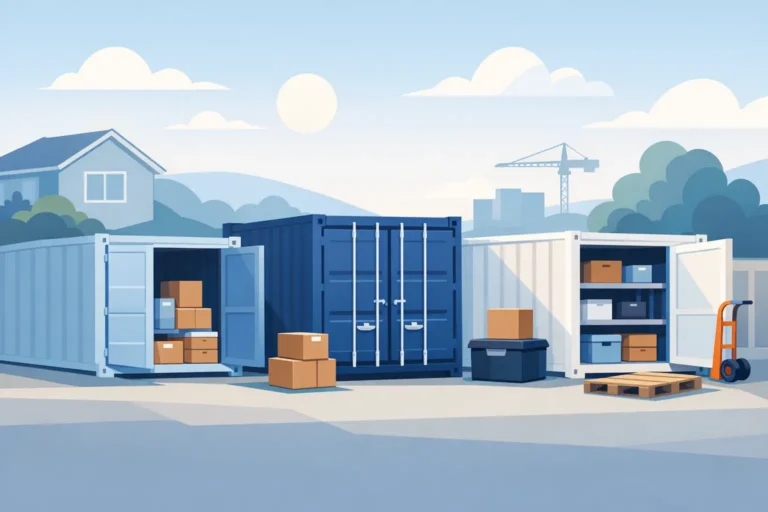
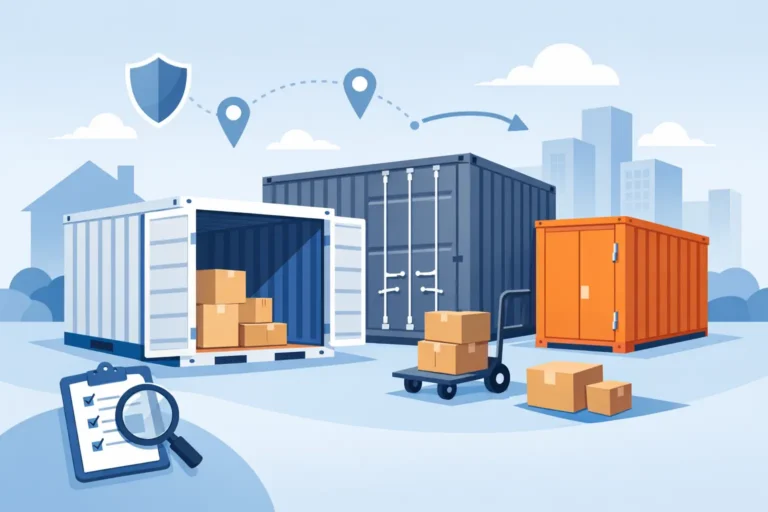
The process is straightforward. A portable storage container is delivered to your driveway or another suitable location on your property. You choose what goes inside and load at a pace that fits your schedule. When the unit is no longer needed, it can be picked up according to the rental arrangement.
This approach is not only for households changing addresses. It can also support downsizing, estate cleanouts, home preparation, major repairs, and temporary space needs. The same advantage applies in each case: your belongings do not need to be taken far away before you are ready.
Keep the items you need within reach
One of the main benefits of on-site storage is access. You may want to store dining furniture while painting, but keep tools, winter clothing, documents, or children’s essentials available. Loading with access in mind makes a real difference.
Place heavier and less frequently needed items toward the back. Keep a clear path through the unit where possible, and position boxes you may need sooner near the door. Clearly labelled boxes prevent the frustrating search for one item buried behind a wall of cartons.
Pack around your real timeline
Packing by room is useful, but packing by timing is often better. Start with decor, books, off-season clothing, spare dishes, and items from rooms you use less often. Leave everyday kitchen supplies, medications, school materials, and key documents until later.
This gradual approach also gives you a chance to decide what is worth keeping. A household transition is often the first time in years that every closet, shelf, and storage area is reviewed. There is no need to pay to store items that no longer serve a purpose.
When portable storage makes the most sense
Portable storage is a strong fit when convenience and flexibility matter more than a fixed facility location. It is particularly helpful when there is enough space for safe placement at your property and when your schedule may change.
It can be a good choice in several common situations:
- You need to clear rooms for painting, flooring, kitchen work, or other home improvements.
- Your possession dates do not line up cleanly and you need temporary household space.
- You are preparing a property for sale and want to reduce visible clutter.
- You are downsizing and need time to sort furniture and personal belongings.
- You need short-term storage close by while a family member changes homes or settles an estate.
That said, portable storage is not automatically the right answer for every property. A narrow driveway, limited access, municipal restrictions, or a shared parking area can affect placement options. Before booking, consider where the container can sit without blocking vehicles, neighbours, garbage collection, or emergency access. A quick conversation with a local provider can help confirm what is practical.
Protect your belongings with better loading habits
A quality storage unit provides a secure place for household items, but how you pack matters just as much. Use sturdy boxes in consistent sizes where possible. They stack more safely than a mix of damaged cartons, open bins, and loose bags.
Distribute weight evenly across the floor of the container. Put heavy items such as appliances, book boxes, and solid furniture at the bottom, then build upward with lighter boxes. Mattresses, mirrors, and framed artwork should be protected and secured upright so they do not shift.
Furniture blankets, moving pads, and shrink wrap can help protect finished surfaces. Do not leave empty spaces between large items where they can tip or slide. Smaller boxes, cushions, or tightly packed soft goods can fill those gaps.
Avoid storing items that could create safety or damage concerns, including hazardous materials, fuel, propane cylinders, perishable food, and anything with a strong odour. If you are unsure about an item, ask the storage provider before loading it.
Think beyond the container rental period
The best storage plan begins with an honest estimate of how long you may need the space. Short-term rentals are useful for quick projects, but a longer rental period may be more realistic if renovations, sale conditions, or family timelines are still uncertain.
Trying to predict an exact finish date can lead to rushed decisions. It is often wiser to arrange storage that can accommodate a little flexibility, then adjust once your plans are firm. Ask about rental terms, delivery timing, pickup arrangements, and payment expectations before the container arrives.
It also helps to create a simple inventory as you load. A notebook or phone list is enough. Record major furniture pieces and note the contents of numbered boxes. If a family member is helping, the inventory gives everyone a clearer picture of what is stored and where it is located.
Choose a local provider that understands the practical details
Storage is not just about having an empty container. Delivery access, local road conditions, property layouts, and responsive scheduling all affect the experience. For homeowners and renters across Eastern Ontario, working with a local provider can make it easier to discuss the details that matter before delivery day.
GoBox Portable Storage provides on-site container rentals for households that need flexible space at their location. Whether the need lasts a few weeks or longer, the goal is simple: keep your belongings secure, accessible, and out of the way while you handle everything else.
A little extra space can give you more than room for boxes. It can give you time to make decisions carefully, complete work properly, and settle into the next stage of your home without rushing the process.