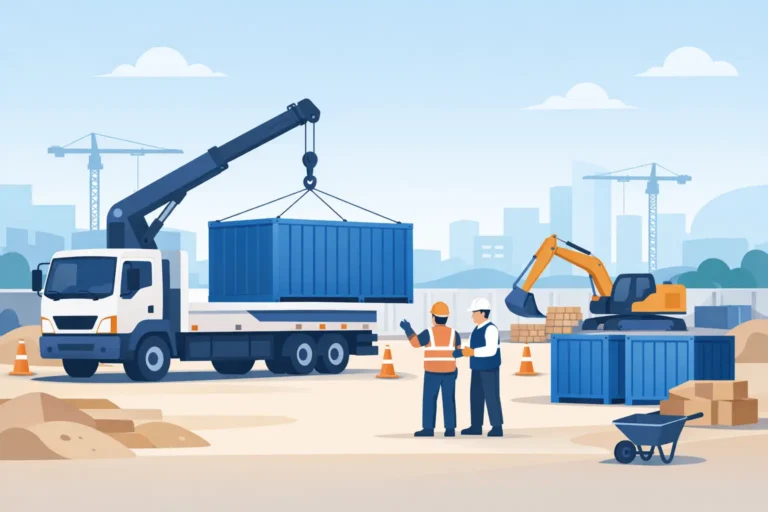
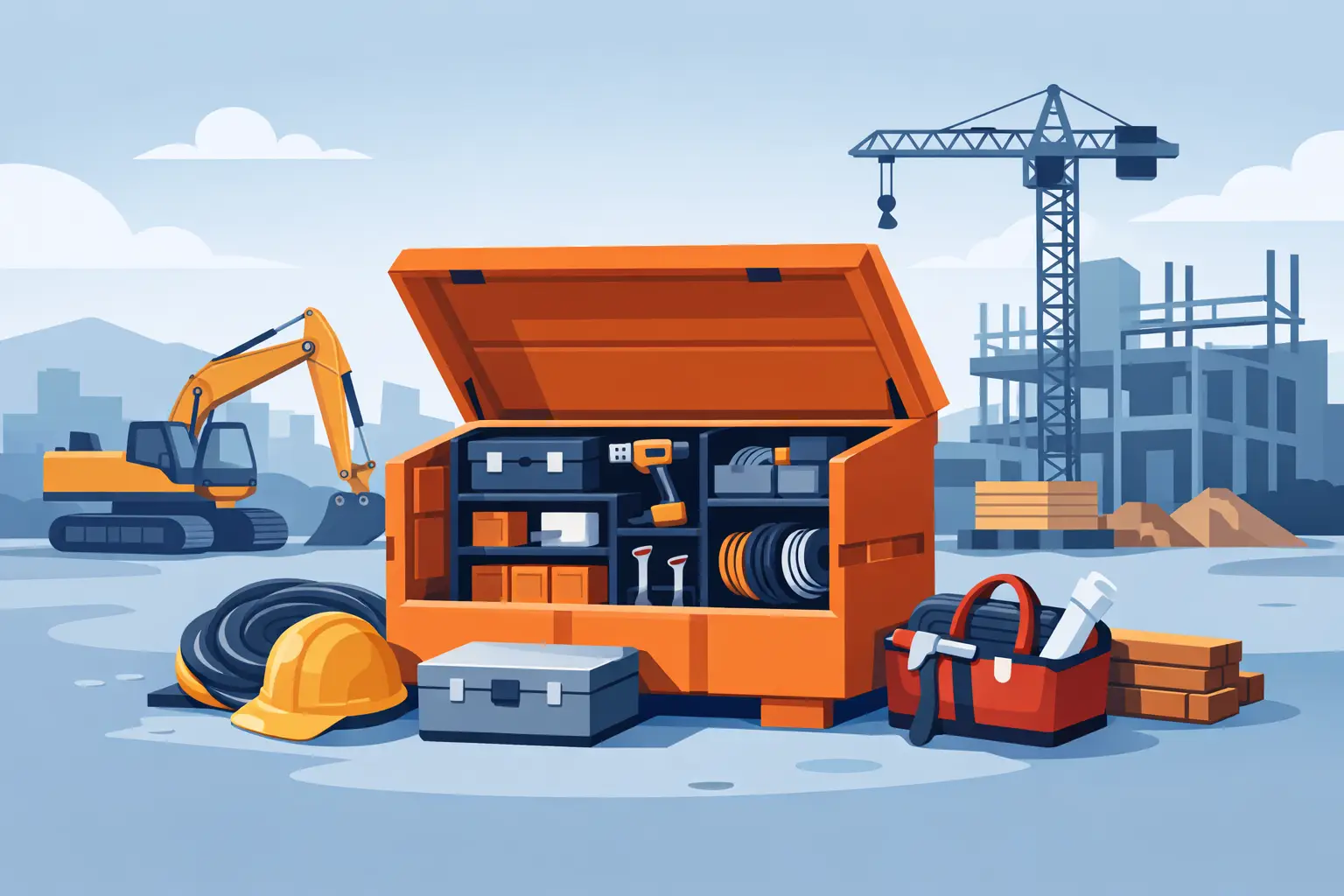
A missing tool, wet material, or cluttered work area can slow a project long before the work itself becomes difficult. Jobsite storage containers give contractors and site managers a secure place to keep essential equipment, supplies, and inventory where the crew needs them.
For projects across Eastern Ontario, on-site storage can reduce unnecessary trips, help protect valuable assets, and make a changing work area easier to manage. The right container is not simply extra space. It becomes part of the site plan.
Why Jobsite Storage Containers Make Sense
Construction and renovation sites rarely stay static. Deliveries arrive at different stages, trades overlap, and materials need protection from weather, theft, and accidental damage. Keeping everything in a truck, temporary shed, or exposed corner of the property can create avoidable delays.
Jobsite storage containers provide a designated, lockable area for the items that support daily work. Tools can be packed away at the end of the day, materials can be staged for the next phase, and equipment can remain close to the crew rather than stored at an off-site facility.
This convenience matters most when a project has a limited timeline or a location that is not close to a supplier or warehouse. A container at the site helps keep the day focused on productive work instead of repeated loading, unloading, and travel.
What Belongs in a Jobsite Container?
A storage container can support many parts of a project, but it works best when it has a clear purpose. Some contractors use one primarily for high-value tools and equipment. Others use it to hold materials that need to stay dry and organized until installation.
Common uses include hand and power tools, ladders, safety supplies, hardware, flooring, fixtures, electrical components, plumbing materials, seasonal equipment, and packaged inventory. Retailers and property managers may also use on-site containers during renovations or peak inventory periods when their regular storage area is under pressure.
The best setup depends on the work being completed. A finish carpentry crew may need orderly access to smaller tools and materials, while a general contractor may need a broader holding area for equipment and bulk supplies. In either case, keeping frequently used items close to the container doors saves time throughout the day.
Security Starts With Placement and Routine
A steel container creates a more secure starting point than leaving equipment exposed, but the lock and container are only part of the plan. Where the unit sits, how it is accessed, and who holds keys all affect site security.
Choose a visible, level location that is accessible for delivery and practical for the crew. Where possible, place the doors where they can be monitored from the active work area without blocking traffic, emergency access, or material deliveries. Avoid low spots where water can collect around the container after rain or snowmelt.
A consistent routine also helps. Designate who locks the unit at the end of the day, limit key access, and keep an inventory of larger tools or specialized equipment. These simple habits are often more effective than treating storage as an afterthought once the site is already busy.
Plan for Access Before the Container Arrives
The most useful container is one that fits the worksite without creating new obstacles. Before arranging delivery, look at the approach to the property as well as the final placement area. Narrow driveways, overhead branches, soft ground, parked vehicles, gates, and tight turning areas can all affect delivery access.
The placement surface should be firm and reasonably level. Uneven ground can make doors harder to operate and can complicate loading. If the site is still being prepared, it may be worth setting aside a dedicated pad or stable area before the container arrives.
Think about the crew’s workflow as well. A container placed at the far end of a large property may technically fit, but it may add unnecessary time every time tools or materials are needed. The closest location is not always the best one, either. Leave enough room for safe loading, door operation, and other site activity.
Check Local Requirements
Temporary storage on a property can be subject to municipal rules, site restrictions, or landlord approval. Requirements can vary by community and by the type of property. Commercial locations, multi-unit properties, and sites near public sidewalks or roads may have additional considerations.
Confirm any required permissions before delivery. This is especially worthwhile for projects in established neighbourhoods, compact commercial lots, or locations with limited space. A quick check early in the process can prevent disruptions later.
Choose a Rental Term That Matches the Work
Jobsite schedules change. Weather, inspections, supplier timing, and trade availability can all affect how long equipment and materials need to remain on-site. For that reason, flexible rental terms are often more practical than trying to predict every stage of a project months in advance.
Short-term storage may suit a defined renovation phase, a temporary equipment need, or a seasonal project. Longer-term storage can make sense for contractors with ongoing work in the same area, businesses managing regular overflow, or industrial operations that need dependable access to supplies.
The key is to assess what will be stored, how often it will be accessed, and how long the site will need support. A quote should account for delivery access, rental duration, and the storage space required, rather than relying on a one-size-fits-all assumption.
Keep the Interior Easy to Use
A container can quickly become inefficient if every item is stacked without a plan. The goal is not to make it look perfect. The goal is to make tools and materials easy to find, protect, and load safely.
Store heavier items low and distribute weight across the floor. Keep frequently used equipment near the entrance, with less frequently used supplies farther back. If smaller items are part of the daily workflow, labelled bins, shelving, or simple zones can prevent crews from searching through loose boxes and mixed materials.
Leave a clear path through the container where possible. This improves access and reduces the risk of damage when items are being brought in or taken out. It also makes inventory checks faster, especially when several people use the same space.
Moisture management deserves attention during Ontario’s changing seasons. Keep materials off the floor when appropriate, avoid storing wet equipment inside, and inspect packaging periodically. The exact precautions depend on what is stored, but basic organization helps protect both the contents and the container interior.
When On-Site Storage Is the Better Option
Off-site storage may work for items that are rarely needed, but it can be less practical for equipment and materials used throughout an active project. Each trip to retrieve something affects labour time, fuel costs, and scheduling.
On-site storage is often the better choice when crews need daily access, materials arrive in stages, or there is not enough room inside the building for safe storage. It can also help maintain a cleaner work area by giving surplus materials and equipment a defined home.
For contractors and businesses in Kingston and surrounding Eastern Ontario communities, GoBox Portable Storage brings the storage unit directly to the property. That local delivery model makes it easier to add storage capacity without changing how the rest of the project is managed.
Before the next project reaches its busiest stage, consider where the tools, materials, and equipment will be at the end of each day. A well-placed container can keep the site safer, clearer, and ready for the work ahead.