A delayed delivery, wet materials, or tools left exposed at the end of a shift can disrupt an entire worksite. Industrial container storage gives crews a secure, weather-resistant place to keep the items they need close at hand, without relying on off-site warehouse space or repeated trips across town.
For contractors, manufacturers, property managers, and other industrial operators, the right storage setup is less about finding extra square footage and more about keeping operations organized. A portable storage container placed at your location can support day-to-day work while helping protect valuable supplies, equipment, and inventory.
Why on-site industrial container storage works
Industrial sites often change faster than fixed storage plans can keep up. A project may need additional material capacity for several weeks, a seasonal operation may require room for stock, or a facility may be undergoing repairs that temporarily limit indoor storage. Renting a container for the period you need provides flexibility without committing to a permanent structure.
The main advantage is proximity. When tools, parts, consumables, and packaged goods are stored directly on site, teams can access them when required instead of scheduling time around an off-site unit. That can reduce interruptions during the workday and help supervisors keep a clearer view of what is available.
A container also creates a defined storage zone. Rather than allowing supplies to spread through work areas, loading bays, or temporary offices, crews have one secure place for equipment and stock. This supports cleaner sites, safer access routes, and easier inventory checks.
For operations in Eastern Ontario, seasonal weather is another practical consideration. Snow, rain, wind, and freeze-thaw conditions can damage materials or make outdoor storage unreliable. A quality steel storage container provides an enclosed space that helps keep contents dry and protected from the elements.
Common industrial uses for storage containers
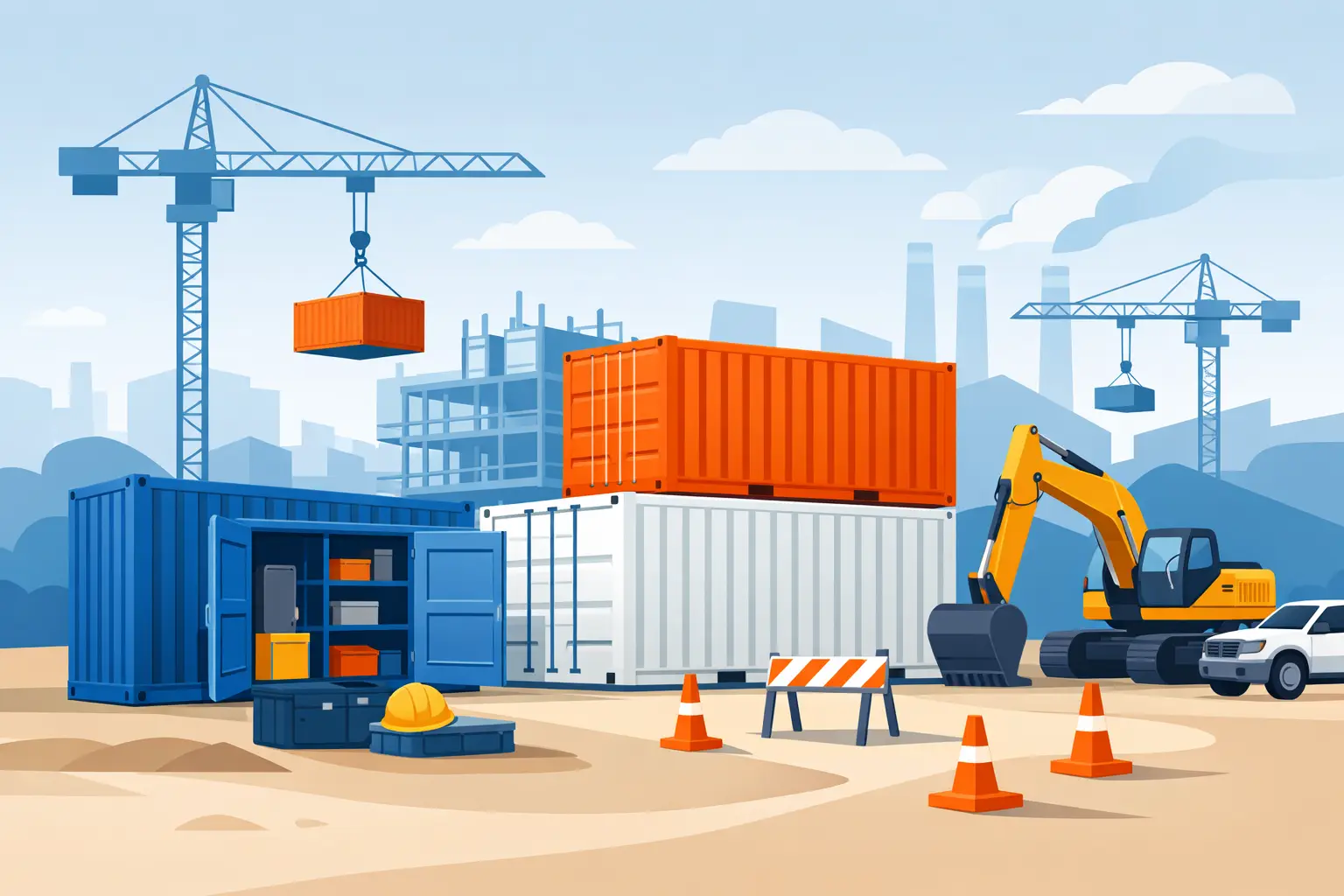
The best use of a container depends on the type of operation, site layout, and rental timeline. On construction and maintenance sites, containers are often used for hand tools, power tools, safety equipment, fittings, fasteners, and job-specific materials. Keeping these items secured after hours can reduce the risk of loss and prevent supplies from being left outdoors.
Manufacturing and service businesses may use industrial container storage for overflow inventory, replacement parts, packaging, or equipment that is needed regularly but does not need to occupy valuable indoor floor space. This can be especially helpful during busy production periods or while a facility is being reorganized.
Property managers and facility teams can use on-site containers during building repairs, restoration work, or large maintenance projects. Storing supplies at the property keeps the work area better organized and gives contractors a dependable location for materials between visits.
Seasonal businesses have different demands. Landscaping companies, event operators, agricultural services, and municipal crews may need additional storage only during their busiest months. A rental container allows them to add capacity when demand rises and return it when the season ends.
Plan the location before delivery
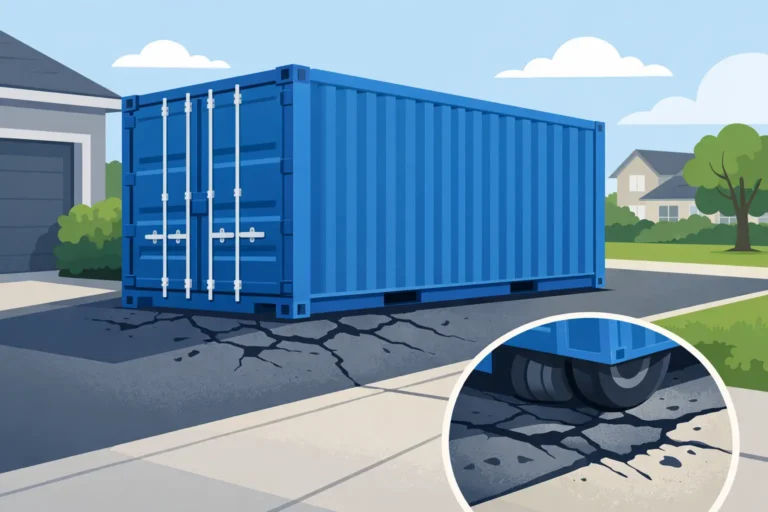
A storage container is most useful when it is placed where the crew can access it safely and efficiently. Before arranging delivery, consider the route a delivery truck will need to take, the ground conditions, and the clearance around the intended location. The surface should be level, firm, and able to support the container and its contents.
Think about how staff will use the container during a normal day. A unit placed too far from the active work area may save space but create unnecessary walking and handling. A unit placed directly beside a loading zone may be convenient until it blocks deliveries or creates congestion. The practical choice is usually a location that is close enough for regular access while remaining clear of traffic lanes, emergency routes, and active equipment areas.
Door access matters as well. Decide which direction the doors should face before delivery. If crews will unload materials from a truck, doors facing the loading area may make sense. If staff need frequent access from a work zone, orienting the doors toward that area can save time over the course of a project.
It is also worth confirming property requirements in advance. Some sites have rules related to placement, setback distances, security procedures, or duration of use. Addressing these details early helps avoid a storage solution that creates issues later.
Choose capacity based on what you actually store
It is easy to underestimate the space required when supplies are scattered across a site. Start by grouping items into categories: equipment, materials, stock, consumables, and records or smaller supplies. Then consider not only the volume of those items, but how often each category needs to be accessed.
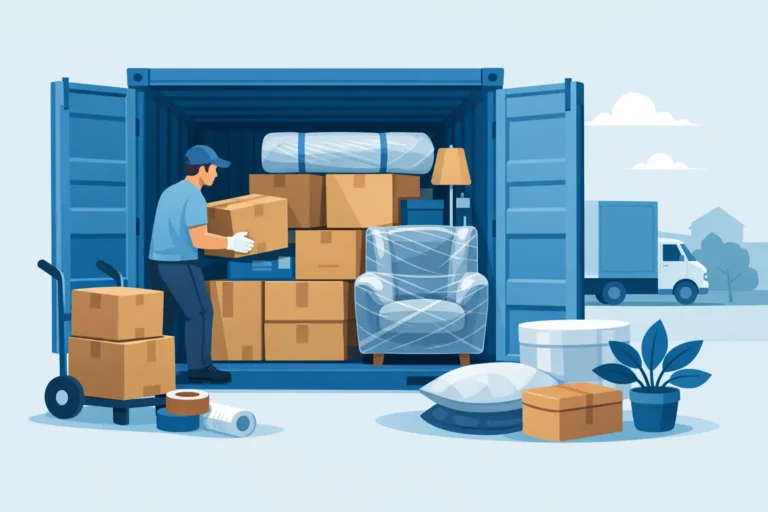
A container packed wall to wall may hold a great deal, but it can become inefficient if staff need to shift several items to reach what they need. Leave a centre aisle where possible and store frequently used goods near the doors. Heavier items should be kept low, while lighter materials can be stacked safely above them where appropriate.
Shelving, labelled bins, and simple zones can make a major difference. One section might be reserved for tools, another for incoming materials, and another for items ready for use. This approach makes daily checks faster and reduces the chance that supplies are reordered because no one could locate them.
If your operation handles large, heavy, or sensitive items, discuss those needs when requesting a quote. The container size, placement, and loading plan should suit the real demands of the job, not just the estimated amount of storage.
Security requires a routine, not just a lock
A steel container provides a strong starting point for protecting business property, but site security works best when it is part of a consistent routine. Assign responsibility for opening and securing the unit, limit key or access-code distribution, and make sure the doors are checked at the end of each shift.
Keep an updated list of higher-value tools and equipment. This does not need to be complicated. A basic inventory with item descriptions, serial numbers, and photos can be useful for tracking assets and supporting insurance records. For sites with several crews, a sign-out process can also clarify who has taken particular equipment.
Lighting and placement can support security too. A container located in a visible, well-lit area is generally easier to monitor than one hidden behind materials or equipment. At the same time, avoid placing it where frequent vehicle activity could damage the doors or sides.
Set a rental term that matches the work
Industrial storage needs are rarely identical from one project to the next. A short-term rental may suit a repair project, a busy inventory period, or a temporary site setup. Longer-term storage can make sense for ongoing operations that need reliable access to supplies without expanding their building footprint.
The key is to be realistic about timing. Projects can extend, deliveries can arrive early, and seasonal demand may last longer than expected. Working with a local provider that can respond to changing requirements is valuable when your storage plan needs to adapt.
GoBox Portable Storage provides delivered container rentals for commercial and industrial customers across Eastern Ontario, including areas such as Kingston, Brockville, Belleville, and surrounding communities. Having storage brought directly to the site helps businesses add capacity without adding another off-site stop to the workday.
A practical addition to a better-run site
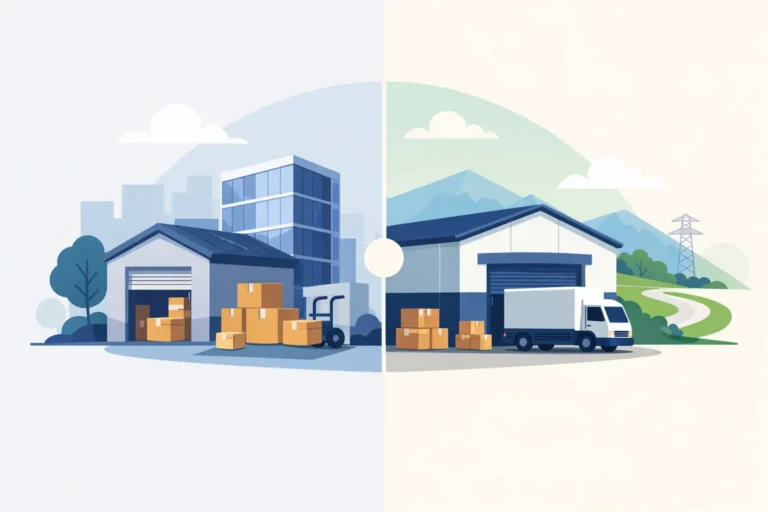
Industrial container storage is not a replacement for every warehouse or permanent building. Businesses with high-volume distribution, climate-sensitive products, or specialized handling requirements may need a more complex solution. For many job sites and operational facilities, however, a secure on-site container is a straightforward way to protect materials, organize equipment, and keep essential supplies within reach.
Before booking, walk the site with your daily workflow in mind. Choose a clear location, plan the door direction, estimate space honestly, and decide who will manage access. Those few decisions turn a container from extra storage into a dependable part of the operation.