A kitchen renovation can turn the garage, dining room, and hallway into holding areas within a day. Extra inventory can do the same to a shop or job site. Knowing how to rent temporary storage gives you a practical place for those belongings or materials without making daily work at home or on site harder than it needs to be.
Portable storage is especially useful when you need storage where the work is happening. The unit is delivered to your property, stays for the rental period you need, and can be accessed on your schedule. Before requesting a quote, take a few minutes to plan the space, timing, and access requirements. That preparation helps you get a unit that works from the first day.
Start with what you need to store
Temporary storage is easier to arrange when you know what needs to go inside. Walk through the area and group items by size, weight, and how often you will need them. Furniture, boxed household contents, tools, seasonal equipment, retail stock, and job-site supplies all have different access needs.
Think beyond the amount of floor space the items take up now. Boxes can be stacked, while larger pieces may need to stay upright or remain easy to reach. If you expect to retrieve supplies each week, leave a clear aisle from the door to the back of the container. If the unit will hold items until a project is complete, you can use the full space more efficiently.
It also helps to estimate the rental period honestly. A short project may take longer because of supplier schedules, weather, permits, or trades availability. Choosing flexible rental terms can be more useful than trying to predict an exact collection date at the start.
Make a simple inventory
You do not need a detailed spreadsheet for every box, but a basic inventory prevents surprises. Note bulky items, the number of boxes or pallets, and anything you need regular access to. For business storage, separate active stock from reserve inventory. For contractors, separate daily-use tools from materials that can stay stored until the next phase of work.
This inventory also makes it easier to select an appropriate container size and explain your needs when requesting a quote.
Choose portable storage when location matters
Traditional self-storage can be a good fit when you are comfortable transporting items to and from a separate facility. On-site portable storage is often the better choice when loading trips would take time away from a renovation, retail operation, or active work site.
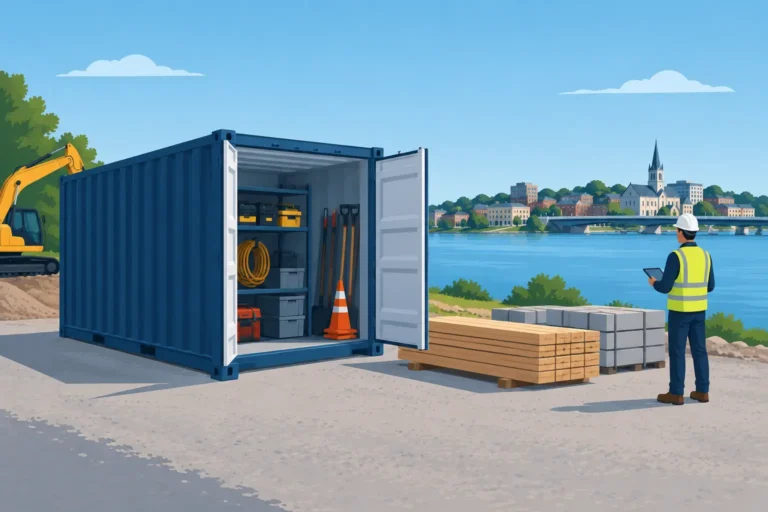
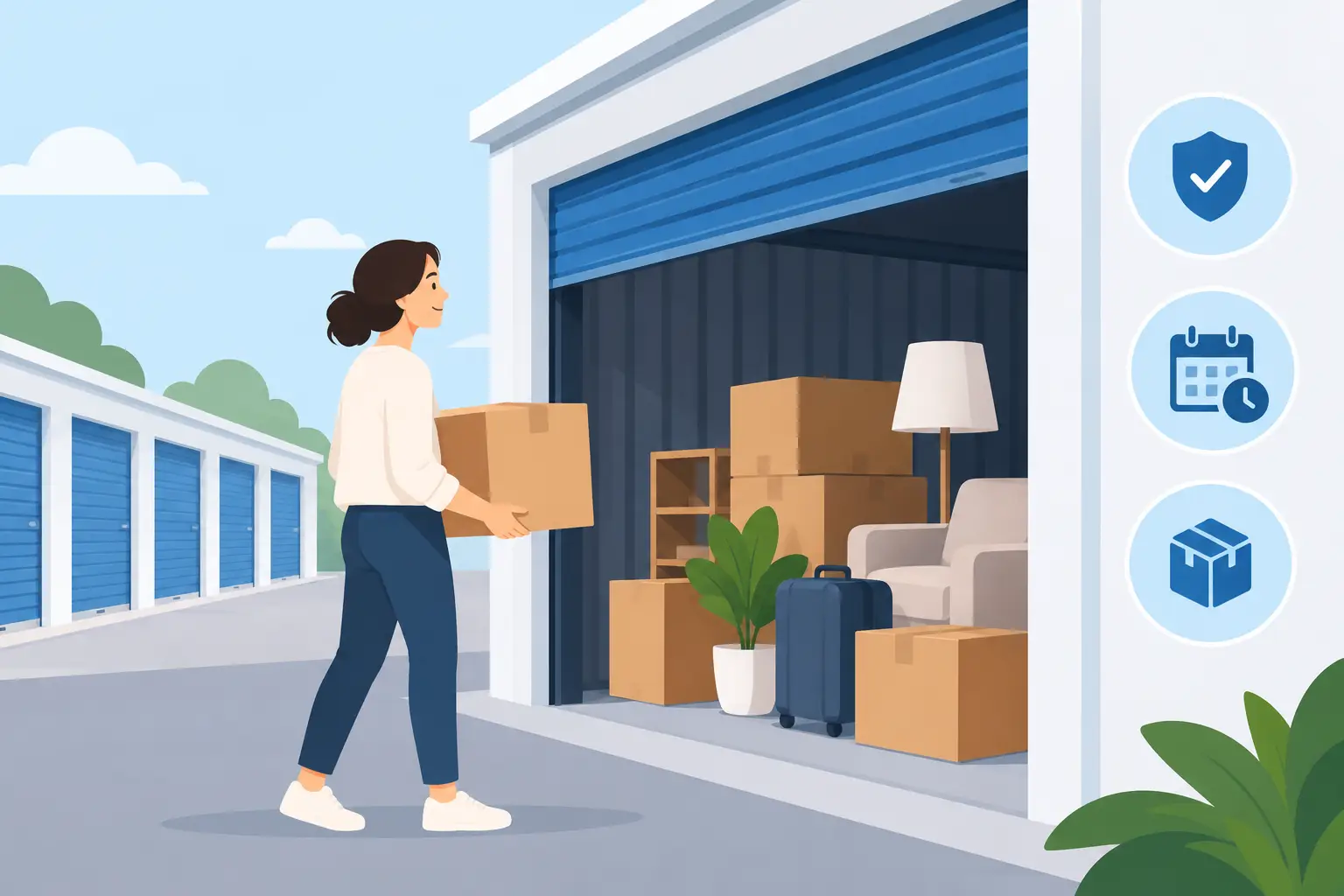
With a portable unit, you load directly at your location. That reduces repeated handling and keeps your stored items nearby. A homeowner can store furniture during interior work without filling every spare room. A retailer can keep overflow stock close to the receiving area. A contractor can have secure space for equipment and materials at a project location.
The best choice depends on the job. If you need frequent access, on-site storage is usually more practical. If your property has limited space or cannot accommodate delivery, an off-site option may be worth considering. Ask the provider about access requirements before committing.
How to rent temporary storage in five steps
The rental process should be straightforward, but clear details at the beginning help prevent delays later.
1. Request a quote with your location and timeline
Share the delivery address, the type of items you plan to store, and your expected rental period. A local provider serving Kingston and surrounding Eastern Ontario communities can also advise whether delivery access is suitable for your property.
Be clear about whether the storage is for a residence, retail space, construction project, warehouse overflow, or another purpose. This context helps the provider recommend a practical setup rather than a one-size-fits-all answer.
2. Confirm the container size and rental terms
Ask which unit size fits your inventory and whether the rental can continue if your schedule changes. Review what is included in the quote, such as delivery, collection, rental charges, and any applicable taxes or fees.
Price matters, but the lowest initial number is not always the best value. A unit that is too small can force you to rent additional space. A rental arrangement that is difficult to extend can create pressure when a project runs longer than planned. Look for clear terms and a provider willing to answer practical questions before delivery.
3. Prepare a safe delivery area
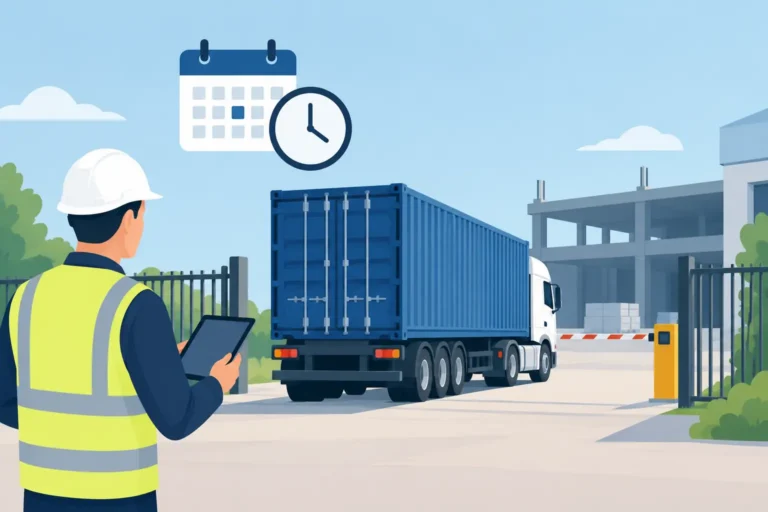
Choose a level, firm location that is accessible for the delivery vehicle. A driveway, yard area, or designated commercial space may work, provided there is enough clearance for the truck and container placement.
Check for low branches, overhead wires, parked vehicles, gates, tight turns, and soft ground. Let the provider know about any access concerns in advance. On commercial or industrial properties, confirm that the placement area will not interfere with deliveries, emergency routes, customer parking, or active equipment.
If you rent your home or business location, check any property rules before arranging delivery. Some sites may require approval for temporary containers or have specific placement restrictions.
4. Load with access and protection in mind
Place heavier items on the floor and distribute weight across the unit. Use sturdy boxes, protect furniture and equipment with covers or padding, and stack only as high as the boxes can safely support. Keep an aisle if you expect to access the unit during the rental period.
For a commercial unit, label boxes or pallets on more than one side. This small step can save considerable time when staff need to find stock, parts, records, or supplies. Keep a written list of what is inside and update it as items come out.
Do not store hazardous, flammable, perishable, or prohibited materials. If you are uncertain about a specific item, ask before loading it. A quick question is better than discovering a restriction after the container arrives.
5. Keep the unit secure and monitor your schedule
Use a reliable lock and limit key or code access to the people who genuinely need it. For businesses, assign responsibility for opening and closing the unit, particularly when tools, inventory, or sensitive materials are stored inside.
Set a reminder to review the rental period before it ends. If the project is wrapping up, arrange collection when the unit is empty and accessible. If you need more time, contact the provider early so the rental can continue without unnecessary disruption.
Plan for the season and the property
Eastern Ontario weather can affect both the delivery area and the way you load a container. During wet periods, soft ground may not support the weight of a delivery vehicle or loaded unit. In winter, plowed access, ice control, and clear sightlines matter. Keep the route to the unit safe if you will be carrying boxes, tools, or stock in and out.
For longer rentals, inspect the area around the container periodically. Keep the doors clear of snow, debris, and stored materials. Do not block the unit with vehicles or equipment if collection may be needed on short notice.
Make temporary storage work for the real job
The most useful storage rental is not simply an empty container. It is a controlled space that gives your home, business, or site room to function. That means choosing enough capacity, placing the unit where it supports the work, and organizing it so needed items are still easy to find.
GoBox Portable Storage provides on-site container rentals for residential, commercial, and industrial needs across Eastern Ontario. When you request a quote, describe the work in front of you, the space available, and the timing you expect. A clear plan at the start makes temporary storage one less thing to manage while the rest of the job takes shape.