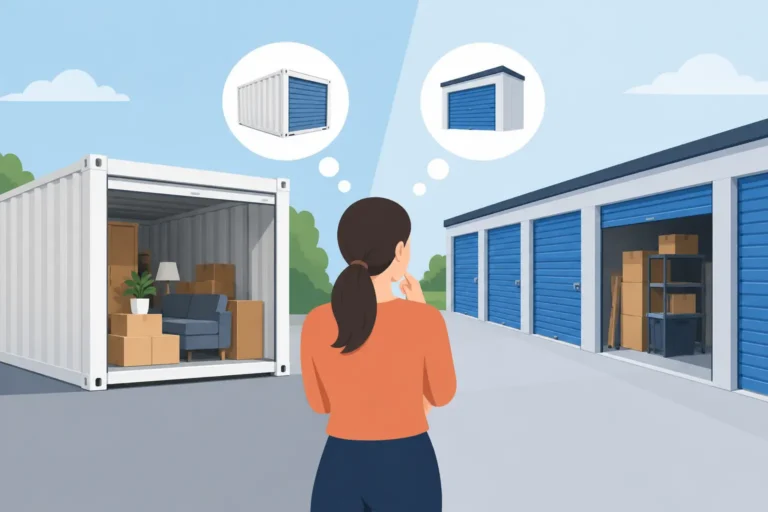
A crowded stockroom, a container of seasonal materials parked in the wrong place, or tools spread across a job site can cost a business time every day. Effective Napanee commercial storage planning starts by looking at how your team works, what needs protection, and where staff need access. The right storage arrangement should reduce handling, keep your premises organized, and give you room to respond when operations change.
Portable storage can be a practical answer for businesses that need secure space without committing to a permanent building expansion or repeatedly transporting goods to an off-site facility. The key is to plan the unit, location, access, and rental period before delivery day.
Start With the Operational Problem
Commercial storage needs rarely begin with a simple lack of square footage. A retailer may need room for incoming seasonal inventory before a display change. A contractor may need tools, materials, and equipment close to an active work area. A property manager may need a secure place for replacement fixtures and maintenance supplies while work is underway.
Define the specific pressure point first. Ask whether the goal is to free up valuable indoor workspace, keep materials near the point of use, protect inventory from weather, or bridge a temporary period of higher demand. Each goal affects where the storage unit belongs and how it should be organized.
It also helps to separate items by how often they are needed. Daily-use supplies should sit near the door and be easy to identify. Materials used weekly can go farther inside. Long-term records, seasonal fixtures, or reserve inventory can be placed toward the back, provided the layout still allows safe retrieval.
Think in terms of access frequency
A unit that holds only reserve stock can be packed densely. A unit that functions as a daily supply room needs open floor space, clear pathways, and a layout that prevents staff from shifting several items to reach one box or tool.
This distinction is where many commercial storage plans fall short. Filling every available square foot may look efficient at first, but it creates wasted labour if employees cannot find or retrieve what they need quickly. Storage should support the workday, not add a new bottleneck.
Choose a Site That Supports Safe Delivery and Use
On-site storage is most useful when it is genuinely convenient. Before arranging delivery, assess the proposed location from the perspective of both the delivery vehicle and the people using the unit afterward.
The surface should be reasonably level, firm, and able to support the unit and its contents. Consider drainage as well. A low area that collects water may be inconvenient during wet weather and can make access more difficult. A clear approach is equally important, particularly at busy commercial sites where vehicles, staff, customers, and deliveries share limited space.
Think through the unit door position. Facing the door toward the loading area, receiving entrance, or work zone can save repeated trips across the property. On the other hand, a door exposed directly to customer traffic may not be the best choice for inventory or tools. The right orientation balances convenience with security.
Businesses should also confirm property permissions before delivery. If the unit will sit in a shared lot, leased property, a commercial plaza, or a location subject to municipal requirements, speak with the landlord, property manager, or relevant authority early. A short conversation before the unit arrives is easier than reorganizing a site later.
Plan Your Storage Layout Before Loading
Loading without a plan often turns a secure storage unit into an expensive pile of hard-to-reach supplies. A simple layout makes a meaningful difference, especially for businesses with several employees accessing the same contents.
Create zones based on item type, project, department, or frequency of use. Label shelves, totes, and larger cartons on more than one side so information is visible from the entrance. Keep a basic inventory record, whether it is a paper checklist, spreadsheet, or inventory application. The system does not need to be complicated. It only needs to tell your team what is in the unit and where to find it.
Protect vulnerable goods from direct contact with the floor by using pallets, shelving, or suitable dunnage. Store heavier materials low and lighter items higher, without stacking beyond what can be safely handled. Leave a central aisle where possible. For longer rental periods, that aisle is not wasted space. It is what allows staff to inspect contents, rotate stock, and retrieve items safely.
For items such as equipment, boxed inventory, fixtures, and packaged materials, consider how loading and unloading will happen. A hand cart may need room to turn. Two people carrying a bulky item need a clear route. Planning for these everyday details helps prevent damaged goods and injuries.
Build Security Into Napanee Commercial Storage Planning
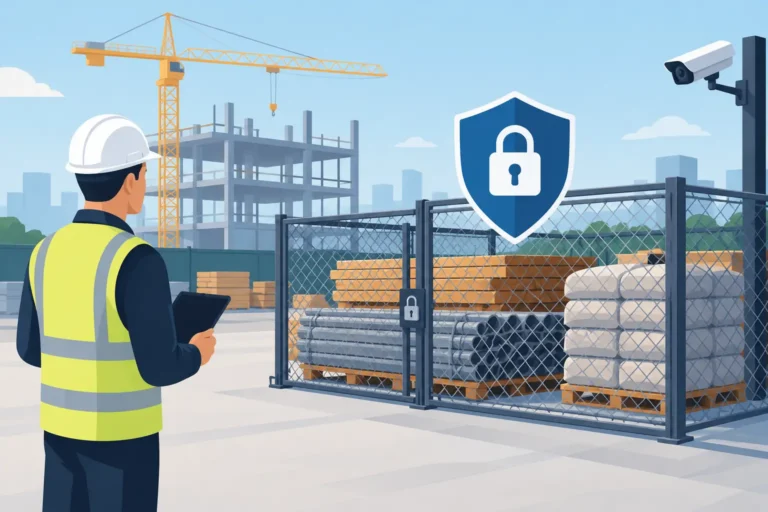
Security is not just about locking the door at the end of the day. It is about knowing who has access, what is stored inside, and how the unit fits into your wider site procedures.
Assign access to the employees who need it, rather than sharing keys or codes broadly. Keep an up-to-date record of who is authorized to enter. If different crews use the unit, establish expectations for returning items, reporting low stock, and securing the door after each visit.
The placement of the unit matters here too. A visible, well-lit area near normal business activity can discourage unwanted attention, but it should not obstruct exits, fire routes, customer parking, or loading operations. For sites that are empty outside business hours, a unit placed within the coverage area of existing lighting or security systems may offer greater peace of mind.
Insurance and lease requirements also deserve a quick review. Businesses should confirm what coverage applies to stored inventory, equipment, and materials, particularly when stock values rise during seasonal peaks or major projects. Accurate inventory records make this process easier if an issue ever needs to be documented.
Match the Rental Period to Real Timelines
Temporary storage has a habit of lasting longer than expected. A renovation, inventory transition, construction phase, or supplier delay can extend beyond the original schedule. This is why a realistic rental timeline matters as much as the unit itself.
Start with the expected end date, then allow a reasonable buffer. If a unit is supporting a project with several dependencies, plan for the possibility that one delayed trade or shipment affects the rest of the schedule. Flexible rental terms can be more useful than trying to predict an exact final day months in advance.
Longer-term storage also benefits from scheduled reviews. Once a month or once per season, check whether the contents still belong there. Businesses sometimes continue paying to store discontinued stock, surplus fixtures, or materials that are no longer needed. A regular review keeps the unit useful and helps control costs.
Account for seasonal demand
Napanee businesses that manage seasonal stock, event materials, landscaping equipment, or maintenance supplies can benefit from planning storage around known busy periods. Arrange space before the rush, rather than waiting until back rooms and work areas are already crowded.
The same principle applies to projects. If materials are expected in stages, decide whether the unit will hold all deliveries at once or act as a rotating supply point. That choice affects the required size, internal layout, and access plan.
Know When Portable Storage Is the Better Fit
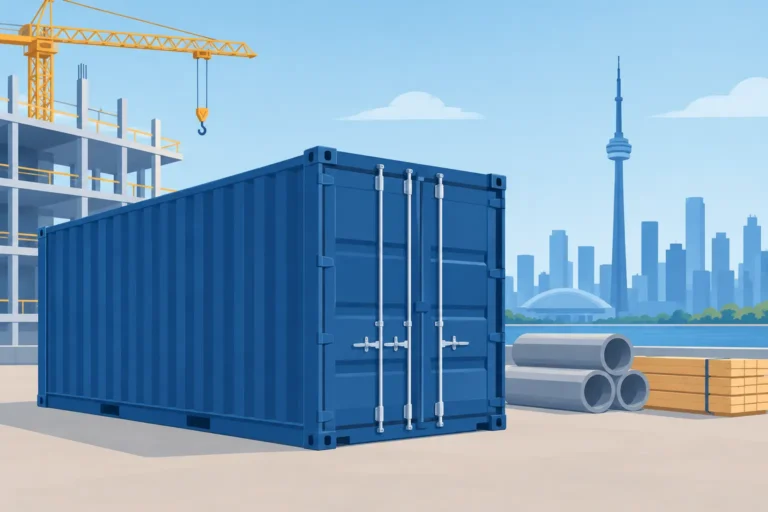
Portable storage is particularly useful when goods need to stay at the business location or close to an active work site. It reduces unnecessary handling between a warehouse and the place where items are used, and it gives businesses direct access on their own schedule.
That said, it is not the right answer for every situation. Businesses with highly climate-sensitive products, strict warehouse processing requirements, or constant high-volume picking may require a different arrangement. For tools, equipment, packaged inventory, fixtures, supplies, and project materials, an on-site unit can offer a practical balance of access, security, and flexibility.
GoBox Portable Storage serves Napanee businesses with delivered storage units that can support short-term pressure points or longer operating needs. A clear conversation about site access, unit use, and rental timing helps ensure the storage plan fits the work, rather than forcing the work to fit the storage.
Before you request a quote, walk the site with the people who receive deliveries, use supplies, and manage security. Their daily experience will often reveal the best location and layout, turning extra space into a dependable part of your operation.