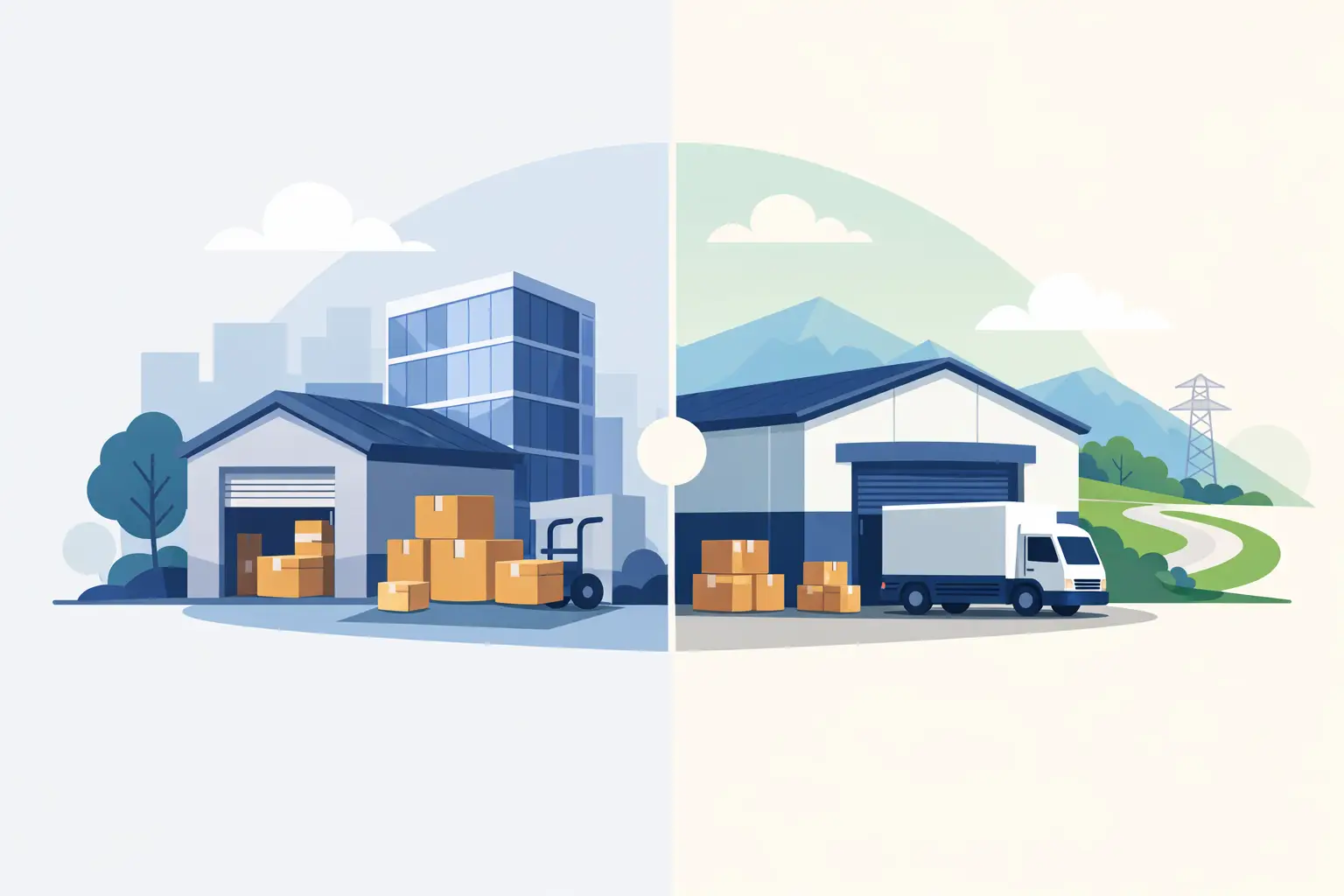
A storage decision can affect every day of a renovation, a busy retail season, or a long job site. The practical difference in onsite storage vs offsite storage is simple: one keeps your belongings or materials steps away, while the other requires a trip whenever you need something. That difference can affect labour time, scheduling, access, and cost.
For homeowners and businesses across Eastern Ontario, neither option is automatically best. The right choice depends on what you are storing, how often you need it, how much room is available, and whether quick access matters more than keeping items away from the property.
What Is Onsite Storage?
Onsite storage is a secure storage container delivered directly to your home, business, retail location, or work site. It stays on your property for the rental period, giving you control over when you load it and when you need to retrieve items.
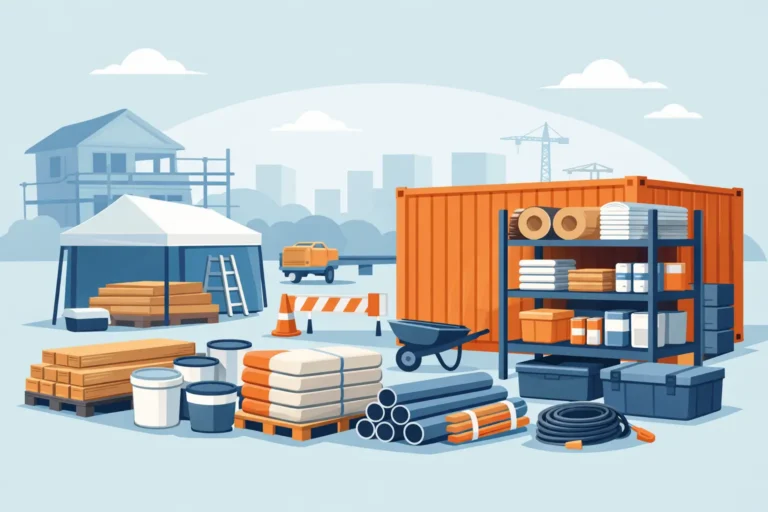
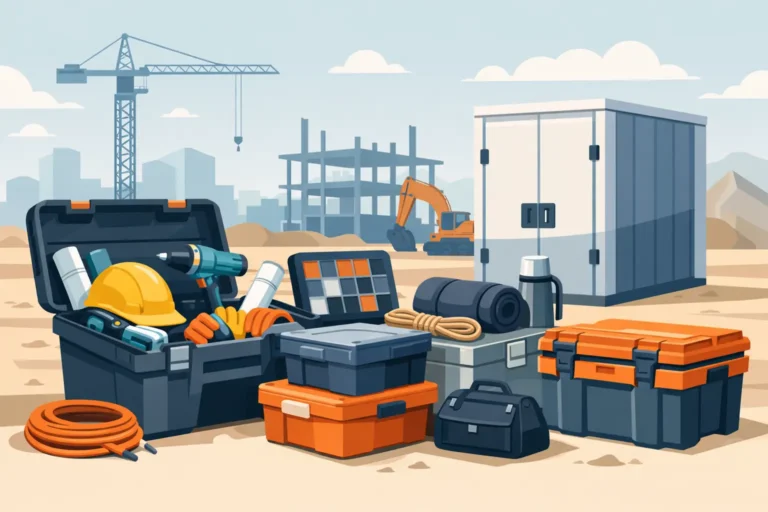
This arrangement is especially useful when the contents support active work. A contractor may keep tools, fixtures, and supplies at a job site. A retailer may store overflow stock close to the sales floor. A homeowner completing renovations can keep furniture and boxed belongings protected without filling the garage or spare rooms.
The main benefit is proximity. Instead of planning a separate trip to a facility, you can access your storage unit when the task requires it. That can make a meaningful difference when a project schedule changes, a delivery arrives, or a needed item is discovered halfway through the day.
Portable container storage also gives customers a defined space for organizing. Rather than spreading materials across several rooms, trailers, or corners of a yard, everything can be placed in one lockable unit. A well-packed container makes it easier to see what is on hand and reduce unnecessary duplicate purchases.
What Is Offsite Storage?
Offsite storage means storing belongings at a self-storage facility or warehouse location away from your property. You transport your items to the facility, place them in a rented unit, and return to that location when access is needed.
For long-term storage that does not require frequent access, this can be a sensible option. It may work well for archived business files, seasonal household items, excess furnishings, or equipment that should not remain at a property. A facility can also suit customers who do not have a driveway, yard, loading area, or other suitable spot for a storage container.
Offsite storage separates stored items from your daily operations. That can be helpful when clearing a property completely is the priority. It may also offer unit sizes or features that are not available with a portable container, depending on the facility.
The trade-off is access. Each visit requires travel, and retrieving a single box, tool, or product can take longer than expected. Facility hours, gate access, weather, and loading arrangements can all affect how convenient the unit is in practice.
Onsite Storage vs Offsite Storage: The Key Differences
The strongest case for onsite storage is convenience, but it is worth looking beyond that one factor. The day-to-day realities of your project or operation should guide the decision.
Access and time
An onsite container is available where the work is happening. If a renovation crew needs another carton of tile, or a business needs to replenish stock before opening, the contents are close by. There is no need to coordinate a separate vehicle, travel time, and facility visit.
Offsite storage can still be convenient when access is occasional and planned well in advance. If you expect to visit only once every few months, the distance may not matter. When items are needed weekly or daily, those individual trips can quickly add up.
Loading and transportation
With offsite storage, you are responsible for getting items to and from the facility. That can involve borrowing or renting a vehicle, arranging help, and handling multiple loading stages. Large or heavy items may need to be loaded at your property, unloaded at the facility, and loaded again later.
Onsite storage reduces that handling. The container is delivered to your location, so goods can be loaded directly where they are being used or stored. Fewer handling stages can save time and lower the chance of damage from repeated loading.
Space at your property
Onsite storage requires a suitable placement area. Before arranging delivery, consider driveway width, ground conditions, clearance, and whether the container will interfere with daily access, customer parking, or site activities. A practical location should be convenient to load while remaining safe and unobstructive.
Offsite storage does not take up room at home or at a business. If your property is tight, subject to access restrictions, or needs to remain clear for customers and trades, an offsite unit may be the more practical fit.
Security and control
Both options should be evaluated carefully for security. With onsite storage, the container remains within your familiar environment, and you control who receives access to it. A secure, well-built unit and a quality lock are essential, particularly for tools, inventory, or valuable household items.
At an offsite facility, security measures may include gated entry, cameras, lighting, and staff oversight. The level of protection varies by provider, so ask specific questions about access controls and insurance requirements. Think about who needs regular access and whether it is easier to manage keys or codes at your location or at a facility.
Cost beyond the monthly rate
Comparing only the advertised rental rate can miss the full cost picture. Offsite storage may involve fuel, vehicle rental, labour, and the time spent transporting items. Onsite storage may involve delivery, pickup, and the need to reserve space on the property.
The best value is often the option that reduces disruption. For a contractor billing by the hour, quick access to materials can outweigh a small difference in rental price. For a household storing infrequently used items for an extended period, a lower-cost offsite unit may be more economical if access is rarely required.
When Onsite Storage Makes Sense
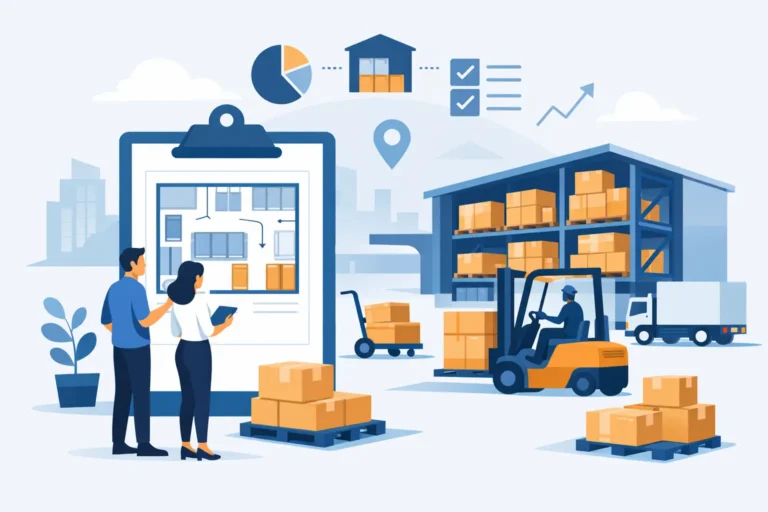
Onsite storage tends to be the stronger choice when stored items are part of an active project or changing business need. It is particularly useful for renovations, construction work, retail overflow, temporary inventory, seasonal equipment, and household decluttering.
For businesses, having inventory or supplies nearby can help maintain smoother operations. A landscaping crew, retailer, restaurant undergoing updates, or property manager may need a secure place for items that cannot remain indoors but must be readily available. The container becomes an extension of the work area without requiring permanent construction.
For homeowners, onsite storage can create breathing room during renovations. Furniture, appliances, boxes, and other belongings can be kept out of active rooms while remaining accessible. This is often easier than repeatedly carrying items back and forth from a facility.
GoBox Portable Storage provides delivered container rentals for customers who need secure storage at their location, with terms that can suit both short projects and longer requirements.
When Offsite Storage Makes More Sense
Offsite storage is often a better fit when the stored items are truly out of rotation. Archived records, inherited belongings awaiting a long-term decision, seasonal décor, or surplus furnishings may not need immediate access. In these situations, keeping the property clear may matter more than retrieving items quickly.
It can also be the practical option when there is no appropriate place for a container. Urban properties, shared driveways, restricted lots, or businesses with limited exterior space may not be able to accommodate onsite delivery safely.
Before choosing offsite storage, be realistic about access needs. People often assume they will not need an item, then find themselves making several unplanned trips. If the contents include frequently used tools, products, documents, or renovation supplies, storage farther away can create unnecessary delays.
Questions to Ask Before You Choose
Start by considering how often you expect to open the unit. Daily or weekly use usually points toward onsite storage, while occasional long-term access may support an offsite choice. Then consider the loading process: can your items be placed directly into a container at your property, or will they require several transportation stages?
Also assess your available space and the nature of the contents. A clear, level area and a need for quick retrieval make an onsite container appealing. A tight property and items that can sit untouched for months may favour offsite storage.
Finally, think about your timeline. Storage needs often last longer than expected, especially during renovations or business changes. Look for rental terms that allow you to keep the unit for the period you actually need, rather than forcing a schedule that does not match the work.
A good storage choice should make the next step easier, not create another errand. If having your belongings, inventory, or materials close at hand would save time and reduce disruption, request a quote for an onsite container and plan the storage space around the way you work.