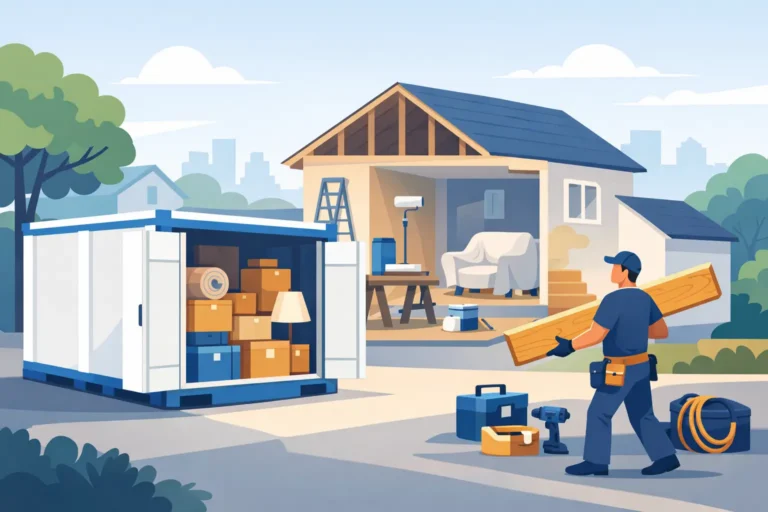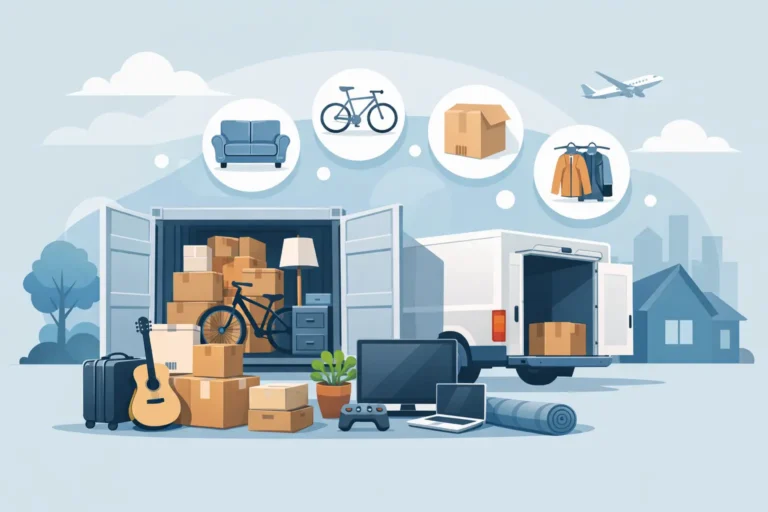
A portable storage unit parked in your driveway, yard, or work site gives you direct access to your belongings. That convenience can also raise a reasonable question: are portable storage units secure? The short answer is yes, when the unit is well built, properly locked, and placed thoughtfully. Still, security depends on more than the container itself.
For homeowners, contractors, retailers, and property managers, the best approach is to look at the full setup: the condition of the unit, the locking method, its location, who has access, and the value of what is stored inside.
Are portable storage units secure on your property?
Portable storage units are generally designed to protect stored items from unauthorized access and the elements while remaining accessible at your location. A steel storage container with solid doors and secure locking points is a much stronger barrier than a shed, tarp-covered materials, or leaving inventory exposed on a job site.
However, no storage option is completely risk-free. A secure unit can still be vulnerable if it is left unlocked, fitted with a low-quality padlock, positioned out of sight, or used to store high-value items without appropriate precautions. The security level is not only about the container. It is about how the container is used.
This matters especially for longer rentals. If a unit will remain on-site through a renovation, seasonal business cycle, or extended project, take a few minutes at the start to create a setup that is difficult to access unnoticed.
What makes a portable storage unit more secure?
Strong construction and working doors
Start with the unit itself. A well-maintained steel container should have doors that close fully, hinges that function properly, and locking areas that are not bent, rusted through, or damaged. Doors should sit squarely in the frame and latch without forcing them.
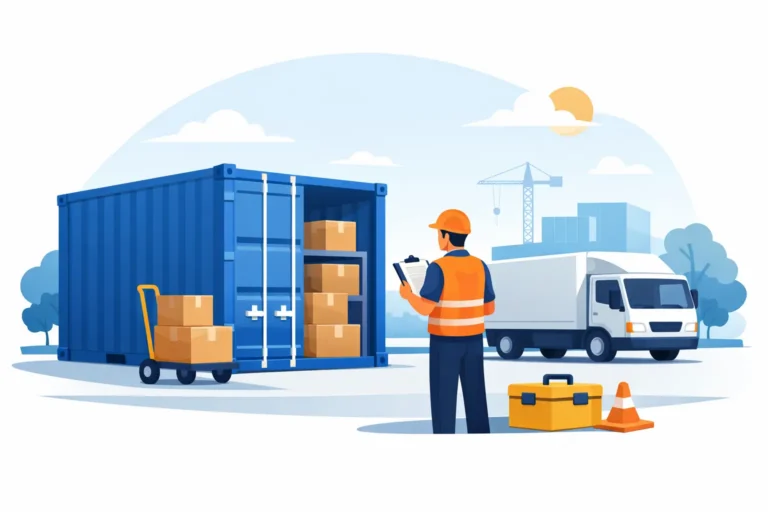
Before loading the unit, inspect it with the delivery driver. Look for obvious gaps, damage to door seals, or anything that could affect how the doors close. This is also a practical time to confirm how the locking hardware works and whether you need to supply your own lock.
A quality lock that fits the door hardware
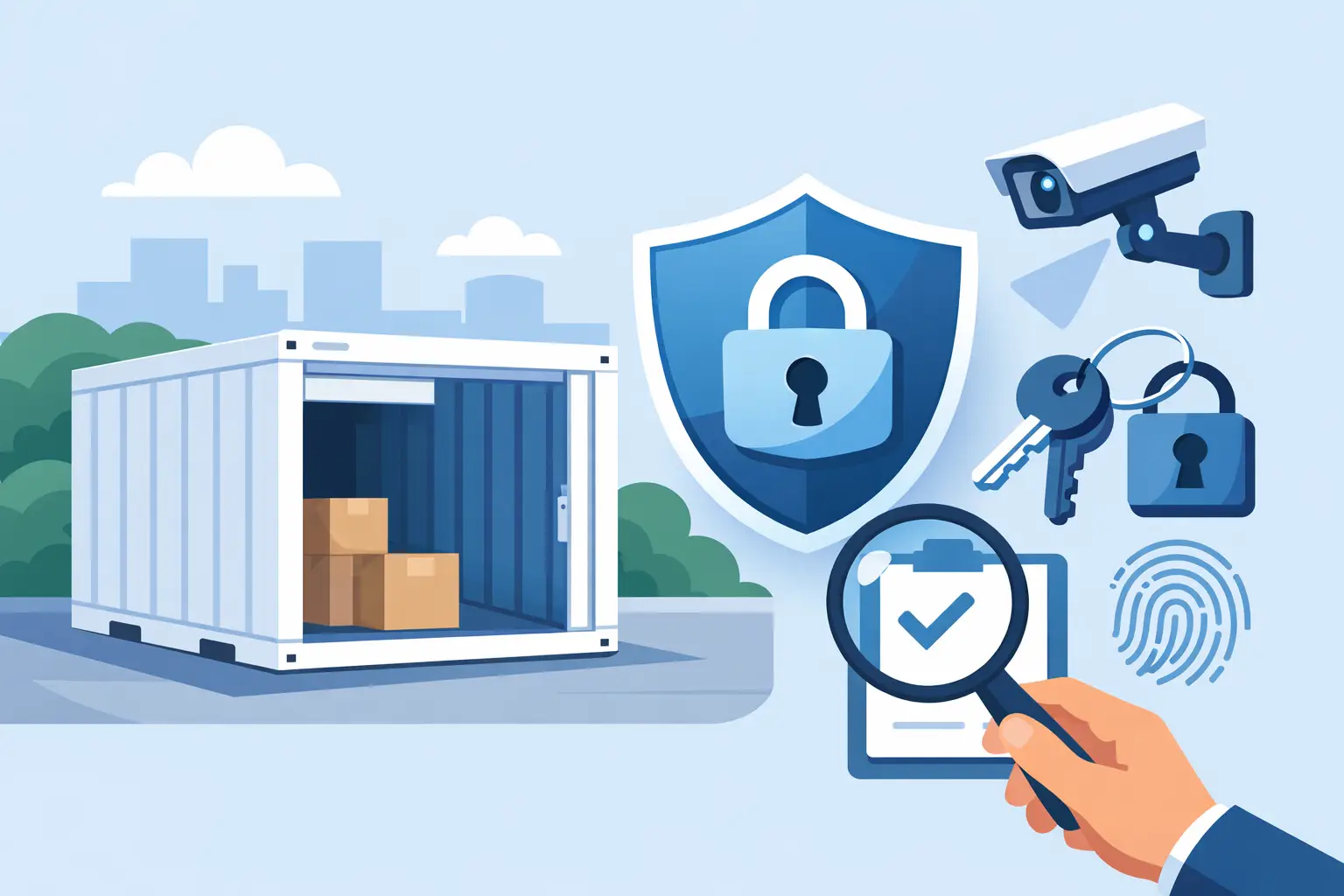
The lock is often the most important part of the security plan. A lightweight, exposed-shackle padlock may be convenient, but it is not the strongest option for storage that will sit outside for weeks or months. Choose a heavy-duty lock designed for outdoor use, ideally with a hardened shackle or a protected shackle that limits access to cutting tools.
The lock must also fit correctly. A lock that is too small may not engage properly, while one that leaves excess shackle exposed can be easier to attack. After locking up, pull on the doors and lock to make sure the doors are fully latched and the lock is seated securely.
Keep keys or combinations limited to the people who genuinely need access. For a commercial unit, assign responsibility for access rather than leaving a key available to every worker on site.
Smart placement on the property
Where the unit sits can make a major difference. A container placed near a home, office entrance, active work area, or exterior lighting is usually less appealing to someone looking for an unnoticed opportunity. A unit tucked behind a building or at the far edge of a dark lot may be convenient for traffic flow, but it can be harder to monitor.
Choose firm, level ground where the doors can open and close without obstruction. Avoid placing the doors directly against a fence, wall, or pile of materials that could conceal activity near the lock. If practical, position the doors where they can be seen from a window, entrance, camera, or neighbouring occupied property.
For job sites and commercial yards, consider how site fencing, gates, lighting, and after-hours routines work together. The portable unit should be one part of a broader site-security plan, not the only measure in place.
Controlled access and good habits
Most security failures are preventable. Doors get left unlatched at the end of a long day. A key is passed around without tracking who has it. Valuable equipment is left closest to the doors for convenience. Small habits can reduce these risks.
Keep an inventory of significant items, particularly tools, retail stock, electronics, and equipment. Photographs and serial numbers are useful for insurance records and for identifying property if a loss occurs. Store high-value items farther inside the unit rather than immediately behind the doors, and avoid labelling the exterior in a way that advertises what is inside.
At the end of each access period, close both doors, engage the locking bars, attach the lock, and test it. It takes less than a minute and is one of the most effective steps you can take.
Security features to consider for higher-value contents
Some storage situations call for more than a good lock. Contractors may have expensive tools on-site. Retailers may need temporary overflow space for inventory. Families may be storing irreplaceable personal belongings during work at home. In these cases, layered security is worth considering.
Useful measures include motion-activated exterior lighting, a visible security camera, a monitored alarm for the property, locked gates, and regular site checks. Even simple measures, such as keeping the area clear of hiding places and maintaining sightlines to the unit doors, can discourage opportunistic theft.
Do not assume that a portable unit is the right place for every item. Cash, legal documents, controlled substances, firearms, highly sensitive records, and unusually valuable collectibles may require more specialized protection. Review your insurance policy before storing valuables. Coverage can vary depending on the item, the location, and whether the unit is at a residence or business property.
Weather protection supports security too
Security is not only about theft. A storage unit also needs to protect your belongings from rain, snow, wind, and changing temperatures. A sound container with properly closed doors helps keep contents dry and shielded from the conditions common across Eastern Ontario.
Packing choices matter here. Keep boxes off the floor using pallets or shelving where possible, leave a little airflow around stored contents, and use sturdy plastic bins for items sensitive to moisture. Do not pack wet materials, damp furniture, or freshly washed textiles into a closed unit. Moisture trapped inside can create odours and damage items over time.
If you are storing equipment or materials that could be affected by freezing temperatures, heat, or humidity, ask whether on-site portable storage is suitable for those contents. Standard portable storage is practical for many household and business items, but it is not climate controlled.
Questions to ask before renting a unit
A dependable storage provider should be able to explain the condition of its units, delivery requirements, rental terms, and what customers are responsible for securing. It is reasonable to ask whether units are inspected between rentals, whether the doors and locking points are checked before delivery, and what type of ground is needed for safe placement.
You should also confirm who supplies the lock, what access arrangements apply during the rental period, and whether there are restrictions on particular items. Clear answers help prevent avoidable problems later.
For local customers, working with a provider that understands access conditions in Kingston and surrounding Eastern Ontario communities can be useful. Driveway layouts, rural properties, job-site surfaces, and winter conditions all affect where a unit can be placed safely and conveniently. GoBox Portable Storage can help customers plan a practical location before delivery.
A secure setup starts before you load
The most secure portable storage unit is one that is inspected, placed in a visible location, locked with quality hardware, and checked consistently. You do not need an elaborate system for every rental. For many properties, a well-built unit, a serious outdoor lock, controlled key access, and thoughtful placement provide a strong level of protection.
Before delivery day, walk the property, choose a clear and observable location, and decide who will hold the keys. That small amount of planning helps keep your storage convenient for you and far less convenient for anyone else.