A renovation can fill a garage faster than expected. A contractor can run out of room for tools before a project is finished. A retailer may need somewhere secure for seasonal inventory without giving up valuable floor space. The question “what is self storage units” usually comes up when belongings, equipment, or stock need a safe place to stay for a while – without creating more work.
Self-storage is a practical way to create room when your home, job site, or business location is under pressure. The right setup depends on what you need to store, how often you need access, and whether it makes more sense to bring items to storage or have storage brought to you.
What Are Self Storage Units?
Self-storage units are rentable, secure spaces used to store personal belongings, business inventory, equipment, records, and other items. You rent the unit for a short or longer period, place your items inside, and access them according to the provider’s rules and hours.
Traditional self-storage units are located at a storage facility. Customers bring their belongings to the site, unload them into a unit, and return to the facility whenever they need access. Units may be indoors or outdoors, and they come in different sizes depending on the facility.
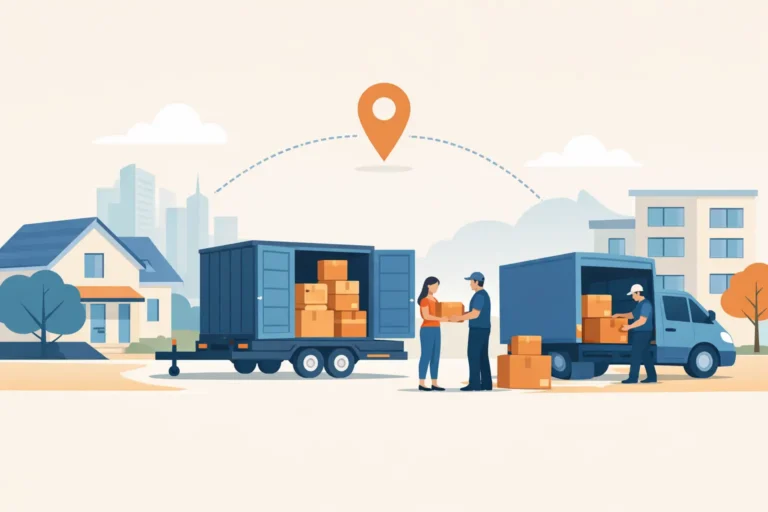
Portable storage follows the same basic idea but changes the logistics. A storage container is delivered directly to your property, job site, or business location. You load it at your own pace and keep it on site for convenient access. This can reduce handling, transportation arrangements, and time spent travelling back and forth to a storage facility.
Both options can be useful. The better choice comes down to where your items need to be and how your day-to-day work or household project is unfolding.
How Self-Storage Units Work
The process is straightforward. First, choose a storage provider and a unit or container size that fits the amount and type of items you have. Then, agree on the rental term, payment details, access arrangements, and any site requirements.
At a traditional facility, you take your items to the unit and organize them inside. With portable storage, the provider delivers the unit to your location. Once it is positioned, you can load it when it works for your schedule. For a home project, that may mean adding boxes and furniture over several days. For a contractor, it may mean keeping frequently used materials close to the work area.
Most rentals continue month to month after the initial term, although details vary by provider. Before committing, ask how much notice is required to end the rental, whether delivery and pickup are included, and what happens if your timeline changes. Flexibility matters because storage needs often last longer or shorter than originally expected.
What Can You Store?
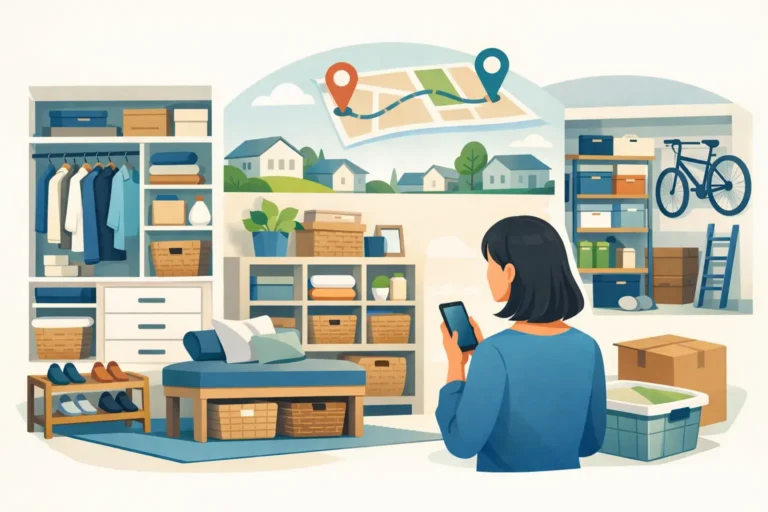
Storage units are commonly used for furniture, boxed household items, tools, renovation materials, documents, retail inventory, event supplies, and seasonal equipment. Businesses may also use them for surplus stock, maintenance supplies, or equipment that does not need to occupy permanent workspace.
Some items should not go into a storage unit. This typically includes hazardous materials, flammable liquids, propane tanks, perishable food, illegal goods, and anything that could attract pests or create a safety risk. Ask the provider for its complete list of restricted items before loading.
It is also wise to consider temperature and moisture sensitivity. Paper records, electronics, antiques, musical instruments, and certain finishes may need climate-controlled storage rather than a standard outdoor container. A standard unit is often an excellent fit for durable items, but not every item has the same storage requirements.
Fixed-Site Storage Versus Portable Storage
A fixed-site unit can work well if you have a vehicle, can transport everything efficiently, and only expect occasional access. It may also be the right choice for items that need climate control or for customers who do not have room for a container at their location.
Portable storage is often the more practical option when regular access matters. Keeping a secure container at your property means tools, materials, stock, or household items are nearby when needed. It can be particularly useful during renovations, for short-term business overflow, or on active job sites where travelling to an off-site facility would interrupt the workday.
There are trade-offs. A portable unit needs a suitable delivery area, such as a driveway, yard space, or approved commercial site. Ground conditions, overhead clearance, gates, and local property rules can affect placement. A reputable local provider can help you assess whether your location is appropriate before delivery.
For Eastern Ontario homeowners and businesses, local knowledge can make this step easier. GoBox Portable Storage provides on-site container rentals designed around the access, timing, and space challenges customers face across the region.
Choosing the Right Storage Unit
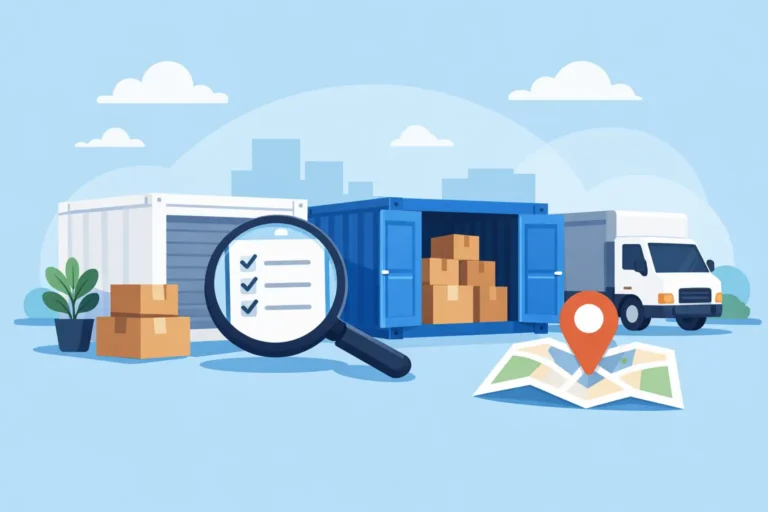
Start with the items you need to store rather than simply choosing the largest available option. Make a quick inventory and estimate how many large pieces, boxes, tools, or pallets are involved. Leave room to create an aisle if you will need to retrieve items during the rental period.
Think about access before loading. Place items you will need often near the door, and put longer-term items toward the back. Keep boxes labelled on more than one side and avoid stacking heavy items on fragile ones. This small amount of planning prevents a frustrating search later.
Security should also be part of the decision. Ask about the condition of the unit, door hardware, lock requirements, and the provider’s approach to service and support. For on-site storage, you retain the advantage of keeping your goods close while still separating them from your living area, retail floor, or work zone.
Finally, match the rental to your timeline. A one-week cleanup, a multi-month renovation, and ongoing commercial inventory storage all call for different levels of flexibility. The best storage arrangement is not necessarily the cheapest monthly rate. It is the one that reduces disruption, protects your items, and fits the way you actually need to use the space.
Making Storage More Cost-Efficient
Storage costs are easier to manage when you avoid paying for unused space or unnecessary transportation. Choose a size based on a realistic inventory, not a rough guess. If you are storing business equipment or stock, review the contents periodically so outdated materials do not continue taking up paid space.
For portable storage, consider the value of having items at your location. The rental price is only one part of the decision. Time spent loading vehicles, arranging transportation, travelling to a facility, and unloading again also has a cost – especially for contractors and business operators.
Protecting stored items also prevents expensive surprises. Use sturdy boxes, cover furniture, keep goods off the floor where appropriate, and avoid overfilling the unit. A clean, organized container is safer to use and easier to empty when the rental is complete.
A Storage Solution Should Make the Project Easier
Self-storage units are not just extra square footage. They are a way to keep a project, property, or operation organized when normal space is no longer enough. Whether you choose a traditional facility or an on-site portable container, focus on access, security, condition, and a rental term that respects your timeline. The right unit should take pressure off your space and let you get on with the work that matters.