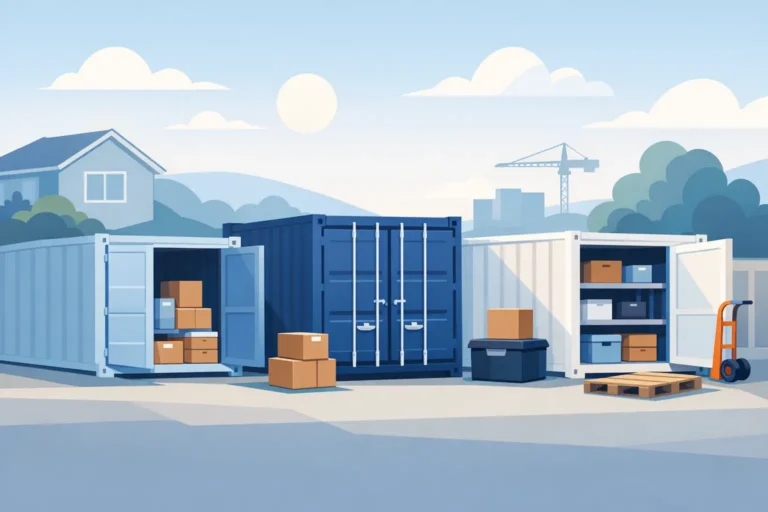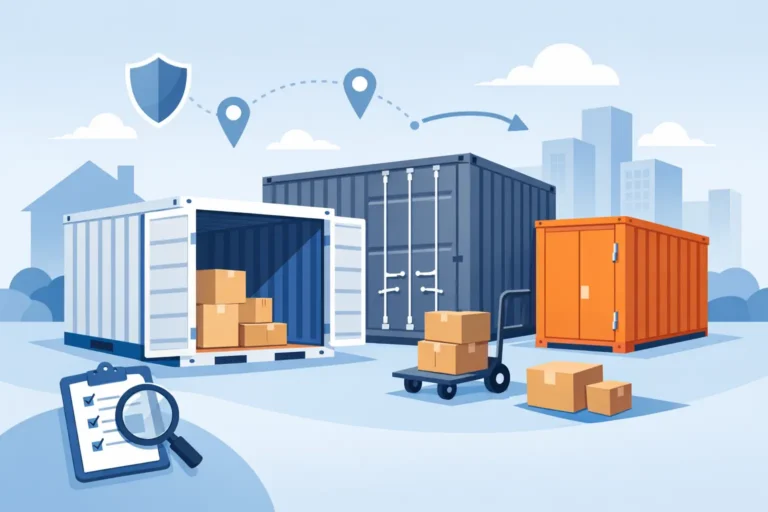

A household transition rarely happens on a neat timetable. Possession dates can shift, renovations can run long, and a new space may not be ready for every piece of furniture at once. Moving home storage solutions give you room to handle those changes without filling every hallway, garage, or spare room with boxes.
Portable storage is especially useful when you need your belongings nearby rather than across town in a storage facility. The container is delivered to your property, loaded on your schedule, and kept where it is most useful. That simple setup can remove several unnecessary trips and make a demanding project feel more manageable.
How Moving Home Storage Solutions Work
With portable storage, the storage unit comes to you. Once it is placed in a suitable location on your property, you can load it gradually and access your belongings as needed during the rental period. This gives households a practical buffer between one stage of a transition and the next.
The biggest advantage is control. Instead of trying to pack, transport, unload, and organize everything in one short window, you can work in a sensible order. Start with seasonal items, décor, extra furniture, books, and belongings that are not needed every day. Keep essentials inside until you are ready to store them.
For homeowners and renters, that flexibility can be more valuable than simply having extra square footage. A container at your location keeps the process close at hand while reducing clutter inside the home.
Choose Storage Based on Your Timeline
The right storage arrangement depends less on how much you own and more on how long you need breathing room. A short rental may suit a quick handoff between properties or a weekend of reorganizing. A longer rental may make more sense when construction schedules, closing dates, or family plans are less certain.
Before arranging storage, think through the likely timeline and leave room for delays. It is often easier to extend a rental than to rush through packing because the storage period was planned too tightly. A clear quote and rental terms that match your actual situation can prevent unpleasant surprises later.
For Eastern Ontario households, timing can also be affected by weather. Wet spring conditions, summer heat, and winter snow can all make loading less convenient. Having the container on-site lets you choose the best hours and days for the work instead of trying to coordinate every task around a single vehicle booking.
Plan What Goes Into the Container
Loading a storage container is not simply about fitting in as much as possible. A little planning protects your belongings and makes it far easier to find what you need later.
Begin by sorting possessions into three groups: items you will need soon, items you may need during the rental, and items you will not need until the transition is complete. Keep daily essentials, important documents, medications, and valuables in the home or with you. Store the least-needed belongings toward the front of the container, then place items that may be required sooner closer to the doors.
Use sturdy, similarly sized boxes where possible. They stack more safely than loose bags or uneven cartons, and clear labels save time when you are trying to locate one specific item. Label more than one side of each box so the description remains visible after stacking.
Furniture should be cleaned and protected before loading. Use moving blankets, covers, or cardboard between wood, metal, and upholstered pieces to limit rubbing and scratches. Disassemble larger pieces when practical, keeping hardware in clearly labelled bags taped to the relevant item.
A centre aisle is worth considering if you expect to access the unit regularly. It reduces packing capacity slightly, but it can save considerable frustration when you need a box, tool, or piece of furniture from the back.
Load for Safety, Not Just Space
Weight distribution matters. Put heavier boxes and appliances along the floor, spread across the container rather than concentrated on one side. Lighter boxes, cushions, and soft goods can go on top. Keep tall or awkward items secure so they cannot shift while the container is being handled.
Avoid placing damp items inside. Moisture from wet patio furniture, garden tools, or recently cleaned rugs can create odours and affect nearby belongings. Allow everything to dry fully before loading, particularly during rainy periods.
There are also items that should not be placed in a storage container. Hazardous materials, fuels, propane tanks, perishable food, and anything prohibited by the rental agreement need a separate plan. If you are unsure about a particular item, ask before loading it. Clear guidance is better than discovering a problem after the container has arrived.
Compare On-Site Storage With Other Options
A traditional self-storage facility can be a good choice when you want belongings stored away from your property for an extended period. It may be less convenient, however, if you need to make repeated trips or load in stages. Every visit requires travel, and vehicle space can become another limitation.
Borrowing a garage, basement, or family member’s spare room may seem simple at first, but those arrangements can create clutter and uncertainty. They also make it harder to keep your possessions organized and protected in one place.
Portable storage is often the practical middle ground. You retain access at your location, avoid repeated hauling, and gain a dedicated area for household belongings. The trade-off is that you need an appropriate placement area and should check local property, driveway, or condominium requirements before delivery.
Make Delivery Day Easier
Before delivery, identify a level, accessible spot with enough clearance for the truck and container. Remove vehicles, bins, and other obstacles from the area. Consider how doors will open and whether you will need room to carry larger items in and out.
If the container will sit on a driveway, protect the surface where appropriate and make sure the location does not interfere with normal access. Speak with your property manager, condominium corporation, or municipality if there are rules about temporary storage units. Addressing these details early helps delivery go smoothly.
For households in Kingston and surrounding Eastern Ontario communities, local service can make a real difference when schedules change or questions come up. GoBox Portable Storage provides on-site container rentals designed around practical household, commercial, and job-site needs, with storage delivered directly to the customer’s location.
Keep the Process Manageable
Do not try to organize every room at once. Work through one area at a time, beginning with spaces that hold infrequently used belongings. A spare bedroom, basement, storage room, or garage often provides the quickest early progress.
Take a few photos of the container as you load each section. Combined with a basic written inventory, those photos can help you remember where key items are stored. This does not need to be complicated. A note on your phone listing box numbers and general contents is usually enough.
Most importantly, give yourself more time than you think you need. Storage should reduce pressure, not become another deadline. The right container, placed where you need it, gives your household the room to make thoughtful decisions and complete the next step at a pace that works for you.
When your plans need more space, choose storage that stays close, keeps belongings organized, and fits the timeline you actually have.