
A renovation that takes over the garage, inventory that outgrows the back room, or equipment that needs to stay close to a job site can create the same problem: your things need a secure place, but not necessarily a permanent one. The best portable storage containers solve that problem by bringing usable storage directly to your property, so you can keep materials, stock, tools, and household belongings where they are needed.
The right choice is not simply the largest unit available. It depends on what you are storing, how often you need access, how long the project will last, and whether your site can safely accommodate delivery. A practical container should reduce clutter and handling without creating new logistical issues.
How to Choose the Best Portable Storage Containers
Start with the job the container needs to do. A homeowner completing a kitchen renovation has different priorities than a contractor securing tools overnight or a retailer managing seasonal inventory. In every case, the most useful container is one that matches your space, access needs, and rental timeline.
Portable storage is especially valuable when storage needs change from week to week. Instead of transporting items to an off-site facility and returning whenever something is needed, you can keep the container at your home, business, or work site. That convenience is often the biggest advantage, but it only works well when the details are planned properly.
Choose a size that leaves room to work
It is tempting to choose the biggest container possible, particularly when a property feels crowded. However, size should be based on both capacity and organization. A container packed wall to wall may hold a great deal, but it can be frustrating if you need a ladder, a box of supplies, or a specific piece of equipment halfway through the rental.
Think about the footprint of your largest items first. Then account for shelving, pallets, or a centre aisle if regular access matters. For a renovation, larger furniture and boxed contents may require open floor space. For commercial use, inventory may be easier to manage when it is grouped by product type or stored on shelving. Contractors may need clear access to frequently used tools while keeping less-used materials at the back.
Ask the storage provider for available dimensions and consider the container’s door opening as well as its internal space. A unit can have adequate square footage but still be inconvenient if bulky items cannot be loaded or retrieved comfortably.
Consider access before delivery day
On-site storage works best when the container can be placed in a location that is level, accessible, and useful for your daily routine. A driveway, parking area, yard, or designated commercial space may be suitable, but each location has its own practical limits.
Measure the available placement area and look for overhead clearance. Trees, utility lines, roof edges, gates, and parked vehicles can affect delivery access. The ground should be firm enough to support the container and avoid shifting during the rental period. If the container will be used at a business or job site, plan for staff vehicles, deliveries, and customer traffic as well.
Placement also affects convenience. A container set close to the work area can save considerable time, but it should not block a garage, loading area, entrance, or required access route. Taking a few minutes to plan the location helps avoid an inconvenient setup later.
Put security at the centre of the decision
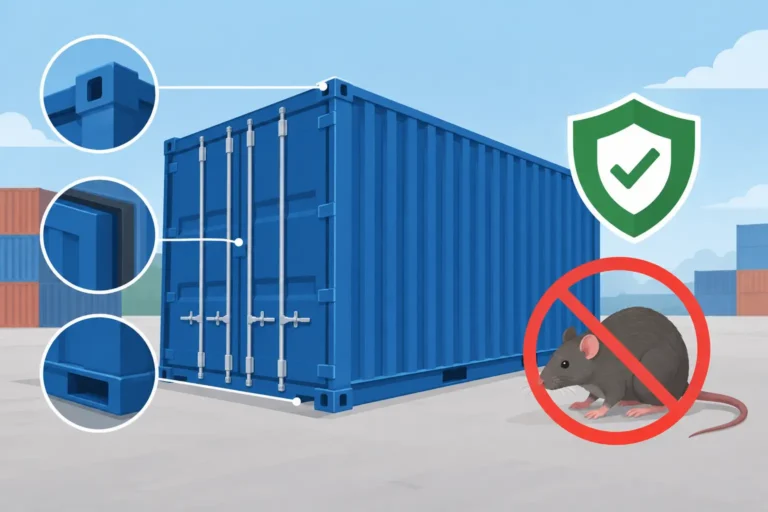
The best portable storage containers are built to protect what is inside, but security also depends on how the unit is used. Look for a solid, well-maintained steel container with doors that close properly and a secure locking point. Use a high-quality lock suited to the container’s hardware, and keep keys or codes limited to the people who need access.
For business and industrial customers, it helps to create a simple access routine. Keep an inventory of higher-value tools or equipment, ensure doors are locked at the end of each shift, and avoid leaving loose materials outside the unit. If the container is located at a busy site, position it where activity can be noticed without interfering with operations.
Homeowners should take the same approach with renovation materials, furniture, and stored belongings. A container is useful because it keeps items contained and out of the main work area. Proper locking and thoughtful placement make that convenience more dependable.
Think about weather and the condition of your items
Eastern Ontario weather can change quickly through the year. Storage containers are designed to keep contents enclosed, but customers should still pack carefully. Use sturdy boxes, keep items off the floor when possible, and avoid placing moisture-sensitive goods directly against container walls.
Wood, paper products, textiles, electronics, and finished furniture deserve extra attention. Plastic bins with secure lids can be useful for certain household items, while pallets or shelving can help improve organization and keep goods elevated. Covering sensitive items with breathable protective materials can also help prevent dust buildup during longer projects.
For commercial inventory, label everything clearly and place the most frequently used stock near the doors. This reduces unnecessary handling and makes it easier to maintain an accurate count. If the contents have special temperature, humidity, or regulatory requirements, portable storage may not be the right fit. It is better to confirm those needs before arranging delivery.
Best Portable Storage Containers for Common Uses
A portable container is not one-size-fits-all, but several uses consistently benefit from having storage at the location where work is happening.
Home renovations and decluttering projects
Renovation work often requires rooms, hallways, garages, or basements to be cleared temporarily. An on-site container creates a separate place for furniture, boxes, décor, and other belongings that would otherwise be shifted repeatedly around the property. It can also keep new materials protected and organized until they are needed.
For decluttering, a container can provide breathing room while you sort what to keep, donate, recycle, or dispose of. The key is to label boxes and avoid treating the unit as a place for unplanned long-term accumulation. A simple layout makes the process more manageable.
Retail and business overflow
Retailers and business operators often need extra space during seasonal changes, promotions, renovations, or inventory deliveries. Portable storage can hold boxed stock, displays, supplies, archive materials, and non-essential fixtures without taking over valuable operating space.
The trade-off is that containers are best for goods that can be stored safely without climate control. For standard packaged inventory and equipment, they can be an efficient option. For products with strict environmental requirements, specialized storage may be necessary.
Construction and industrial sites
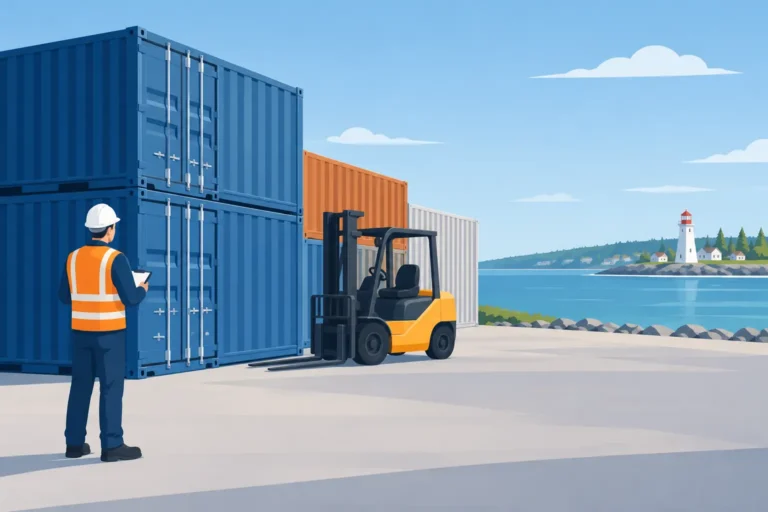
At a job site, keeping tools and materials nearby can improve day-to-day efficiency. A container can serve as a secure, centralized location for equipment, consumables, hardware, and supplies. It also reduces the time spent locating items across a large or changing site.
Site storage should be planned around access and safety. Ensure the unit does not obstruct emergency routes, deliveries, machinery, or active work zones. Keep heavier materials distributed safely, and do not overload shelving or stack unstable items near the doors.
Compare Rental Terms, Not Just the Container
Two containers may look similar, yet the service around them can be very different. Before committing, ask how delivery and pickup are scheduled, what rental periods are available, how extensions are handled, and what site conditions are required. Clear answers matter, especially when project timelines are uncertain.
Local service can make a meaningful difference when you need practical guidance about placement or a change to your rental period. In Kingston and surrounding Eastern Ontario communities, a provider familiar with local properties, roads, and seasonal conditions can help set realistic expectations from the start.
It is also worth confirming what is included in the quote. Ask about delivery, pickup, rental charges, applicable taxes, and any conditions that could affect the final cost. The lowest initial rate is not always the most useful option if the rental terms are inflexible or the service does not match your schedule.
Prepare Your Container for Easy Use
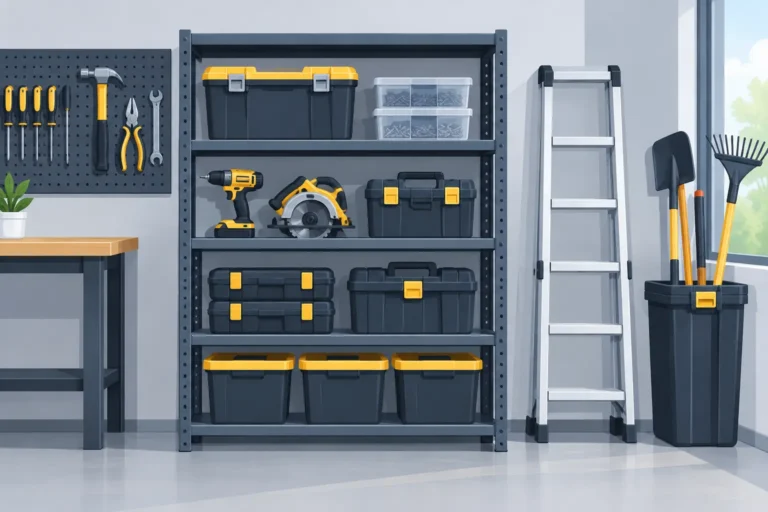
Once your container is in place, organization determines how useful it will be. Put heavy items on the floor, keep a clear path from the doors, and store frequently needed items near the front. Labels should be visible from the aisle, not only on the top of a box.
For longer rentals, check the container periodically. Confirm that doors close securely, remove any unnecessary packaging or waste, and update your inventory as items are added or removed. A few simple habits can prevent a storage unit from becoming difficult to use.
GoBox Portable Storage helps customers choose practical on-site storage for residential, commercial, and industrial needs. The best choice is the one that fits your property, protects your contents, and gives you reliable access for as long as the work requires. Start by identifying what must be stored and where it needs to be accessed, then request a clear quote based on that real-world plan.