
A renovation rarely stays contained to one room. Cabinets end up in the dining room, tools take over the garage, and the items you need to protect are suddenly in the way of every next step. Portable storage Kingston Ontario customers can keep at their own location gives them a practical place to put those items without making repeated trips to an off-site facility.
The value is simple: storage comes to you. A secure container is delivered where you need it, remains there for the rental period, and gives you access to your belongings when the workday, project schedule, or household routine calls for it. For homeowners, contractors, retailers, and property managers, that can mean less handling, less clutter, and fewer interruptions.
When Portable Storage in Kingston Ontario Makes Sense
Portable storage is not only for one type of project. It works best when the items you need to store must remain close by, but should not occupy valuable indoor space.
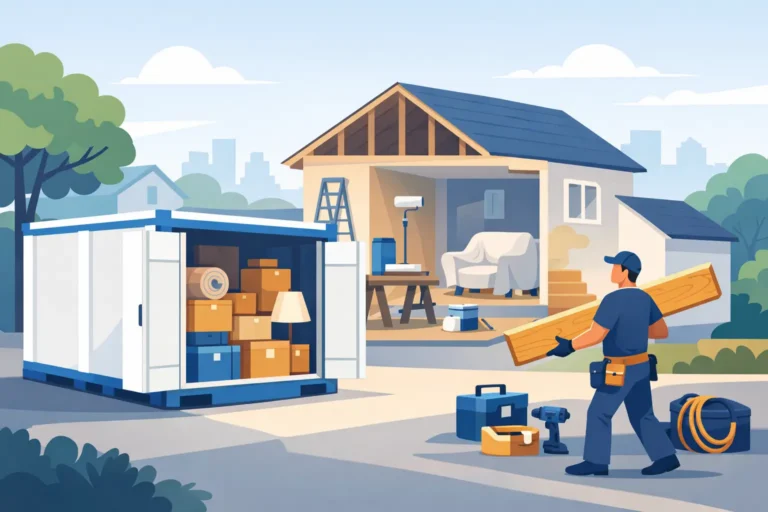
For a home renovation, an on-site container can hold furniture, boxed belongings, appliances, and materials while crews work inside. Keeping rooms clear protects your possessions from dust and accidental damage while giving tradespeople more room to do the job properly. It also helps households keep essential living areas usable during longer projects.
Seasonal storage is another strong fit. Outdoor furniture, patio equipment, bicycles, holiday décor, and sports gear can fill a garage quickly. A portable storage unit creates room at home without requiring a permanent addition or forcing you to sort everything at once. When the season changes, your stored items are nearby.
For commercial customers, the need is often operational. A retailer may need a secure place for extra inventory during a busy period. A contractor may need tools, supplies, or materials available at a job site. A property manager may need temporary space during suite turnover or building maintenance. In each case, having storage on location reduces the time spent loading, unloading, and travelling back and forth.
It is also useful when timing is uncertain. Renovation schedules can shift, deliveries can arrive early, and business inventory does not always follow a tidy calendar. Short-term and long-term rental options give customers room to respond to what is actually happening rather than committing to a rigid timeline.
What to Consider Before Renting a Storage Container
The right portable storage rental starts with a clear look at the site, the contents, and how often you will need access. A little planning before delivery makes the unit more useful from day one.
Choose a practical placement area
A storage container needs a level, accessible location with enough room for delivery and use. Driveways, yards, commercial lots, and job sites can all work, but access matters. Consider overhead clearance, gate openings, parked vehicles, low branches, utility lines, and the path the delivery vehicle will need to take.
Think about how the container door will open as well. If you expect to retrieve tools each morning or add materials throughout a project, the entrance should be easy to reach. A unit placed too tightly against a fence, wall, or pile of materials can create unnecessary frustration later.
If you live in a neighbourhood with rules around temporary structures or driveway use, check local requirements before arranging delivery. For commercial and industrial sites, confirm that the planned location does not interfere with customer traffic, loading areas, emergency access, or active work zones.
Estimate the space you actually need
It is tempting to judge storage needs by the number of boxes alone, but bulky items often determine the required space. Sofas, shelving, appliances, equipment, building materials, and retail stock can take up more room than expected.
Start with the largest items, then account for the boxes and smaller pieces around them. If frequent access is important, leave a narrow aisle rather than packing every square foot. A fully packed container may hold more, but it is less practical when the item you need is at the back.
For businesses, consider not only current inventory or equipment but also what may arrive during the rental period. Renting enough space at the outset can be more efficient than trying to reorganize a packed unit halfway through a project.
Pack for protection and access
Portable storage is convenient because it stays nearby, but it still benefits from thoughtful packing. Use sturdy boxes, label each side clearly, and keep heavier items low. Wrap furniture and fragile items, and avoid placing heavy materials on top of boxes that can crush.
Place items you expect to need soon near the door. Contractors may keep daily-use tools at the front and reserve the back for surplus supplies. Homeowners may place frequently used seasonal items where they can be reached without unpacking the entire container.
Avoid storing hazardous, flammable, perishable, or prohibited items. If you are unsure whether something is suitable for storage, ask before loading it. That conversation can prevent safety issues and help protect the condition of the container and its contents.
The On-Site Storage Advantage for Homes and Businesses
The main advantage of portable storage is not simply extra square footage. It is control over where that space is located.
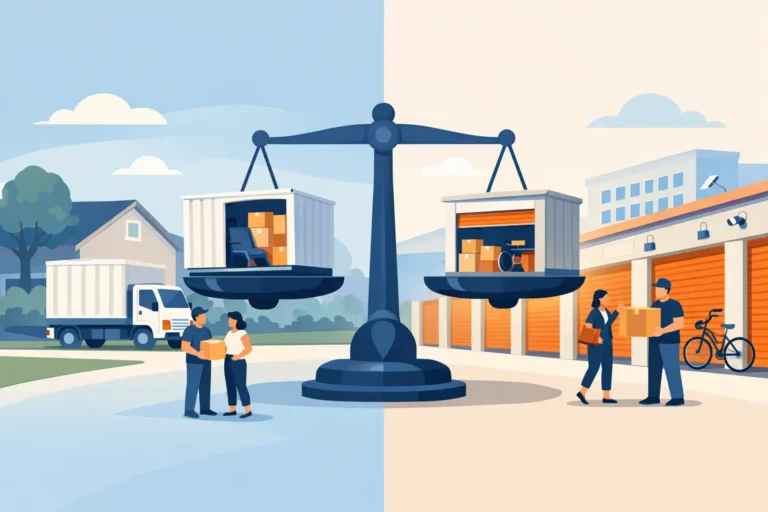
With an off-site unit, every loading or retrieval trip adds time. You must load items into a vehicle, travel to the facility, unload, and repeat the process when you need something back. That approach can work for long-term items you rarely use, but it may not be the best choice for an active renovation, a busy retail operation, or a changing job site.
On-site storage keeps the container within reach. A homeowner can retrieve a box after work. A site supervisor can access supplies without leaving the property. A business owner can manage overflow inventory close to the point where it is needed. The difference is especially noticeable when schedules are tight or several people need access throughout the week.
There is a trade-off, of course. You need a suitable place for the container, and you should consider how it will affect parking, site flow, and outdoor space. For projects with no safe or practical placement area, another storage format may be a better fit. But where the site allows it, portable storage often reduces the logistical work that makes temporary storage feel inconvenient.
Security Starts With Good Habits
A quality storage container provides a solid enclosed space, but customers should still treat it as they would any secured area. Use a dependable lock, keep the door closed and secured when not in use, and limit access to people who need it.
For commercial sites, it helps to assign one person responsibility for access and inventory. A simple check-in process for tools or high-value materials can reduce loss and make daily operations easier. At home, keeping a basic list of what is inside can save time later, especially if the rental lasts through several stages of a project.
Proper loading also supports security. Do not stack valuable or fragile items where they can shift when the door opens. Keep weight distributed across the floor, secure tall items where practical, and avoid leaving loose materials that may slide or topple.
A Local Option for Real Timelines
Kingston projects do not always follow a perfect schedule. Weather, contractor availability, supplier timing, and changing business needs can all affect how long storage is required. A local provider understands that customers need straightforward answers, reliable delivery, and rental terms that match the work in front of them.
GoBox Portable Storage provides on-site container rentals for residential, commercial, and industrial needs in Kingston and across Eastern Ontario. The goal is not to complicate a project with another chore. It is to give you secure, accessible space where it can do the most good.
Before requesting a quote, take a quick look at your available placement area, estimate what you plan to store, and think about how often you will need access. Those three details make it easier to choose a storage solution that supports the project instead of becoming part of the problem.
The best temporary storage is the kind that gives your space back while keeping the things you need close at hand.