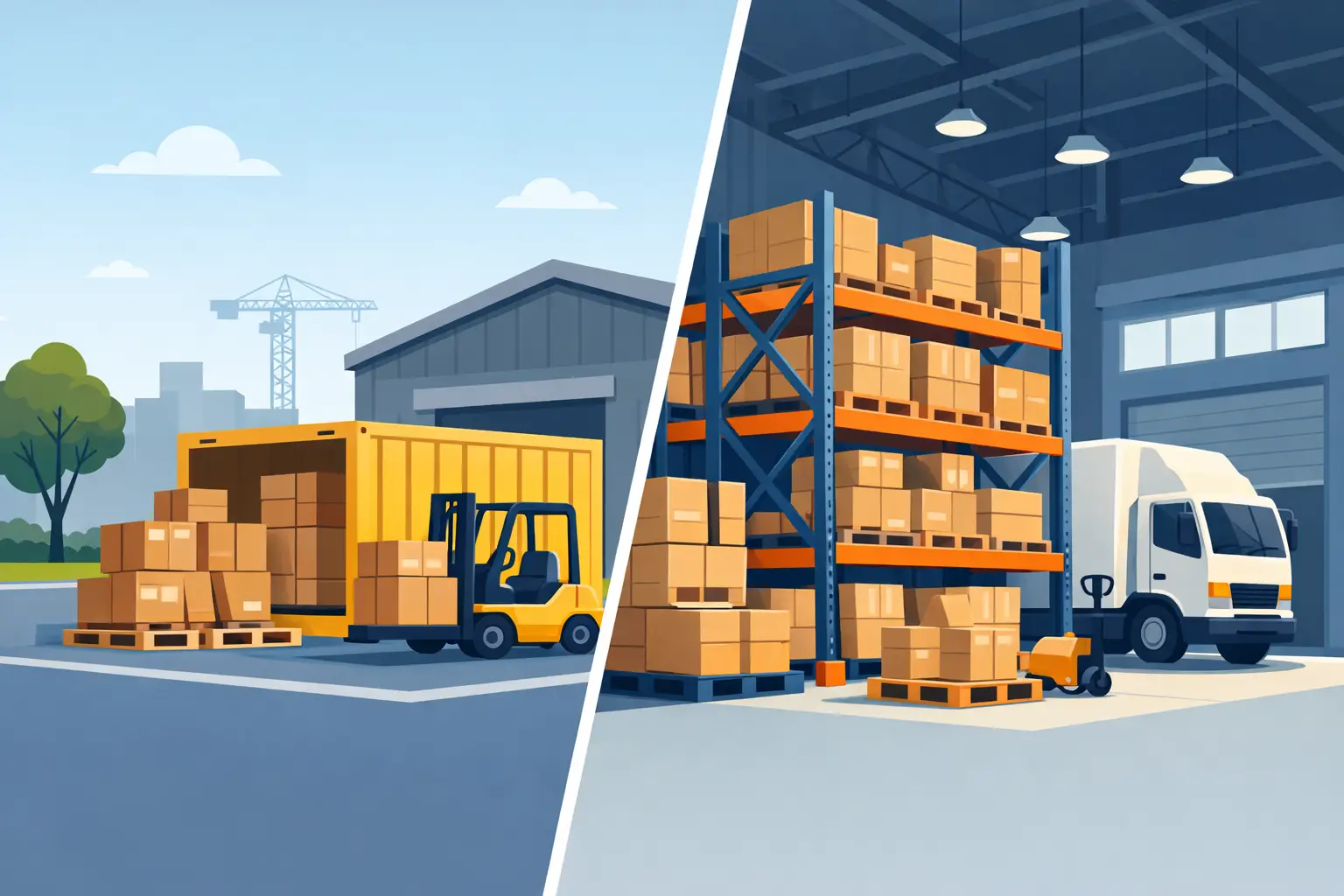
A renovation crew waiting on materials, a retailer receiving seasonal stock, and a homeowner clearing rooms for a major project all face the same question: is onsite storage versus rented warehouse space the more practical choice? The answer usually comes down to one thing – how often you need your items and how much work it takes to reach them.
A warehouse can provide a large, dedicated footprint. But when inventory, tools, supplies, or household belongings need to be close at hand, transporting them back and forth can add time, fuel costs, and scheduling pressure. An onsite storage container keeps the space where the work is happening.
Onsite Storage Versus Rented Warehouse: The Real Difference
The biggest difference is not simply square footage. It is access.
With a rented warehouse, your goods are kept at a separate location. That may work well when stock needs to be centralized, when several staff members require a common distribution point, or when your operation needs a permanent commercial base. It also means planning trips to collect tools, receive deliveries, check stock, or return materials at the end of the day.
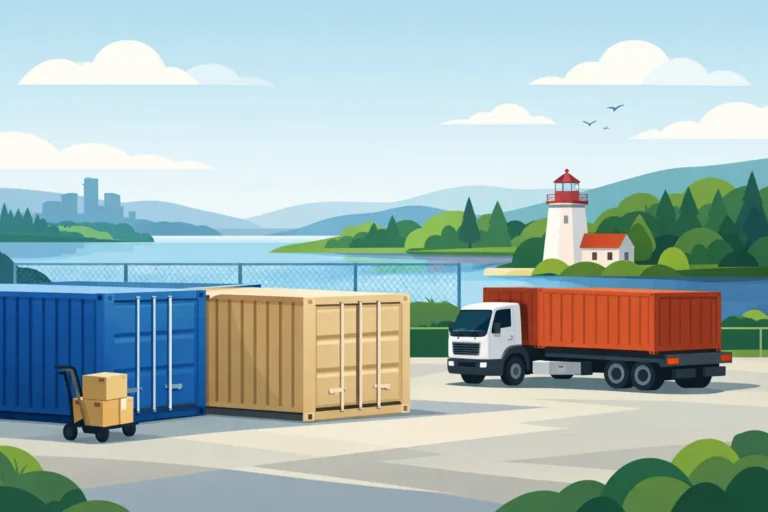
With onsite storage, the container is delivered to your property, job site, or business location. A contractor can keep frequently used equipment near the crew. A retail operator can store overflow inventory behind the store instead of crowding aisles and back rooms. A household project can continue without filling every spare room with furniture and boxes.
For short-term needs or changing schedules, the ability to rent storage at the location of the work can be more valuable than having a larger space farther away.
Access affects more than convenience
Time spent loading a vehicle, driving to a warehouse, unloading, and then repeating the process is part of the true storage cost. It can also interrupt staff schedules and create avoidable handling of valuable or fragile items.
Onsite access reduces those extra touches. When materials are already nearby, crews can respond to what the day requires instead of building a trip to the warehouse into every change of plan. This is especially useful on rural properties and job sites across Eastern Ontario, where warehouse options may not be close to the work.
That said, onsite storage needs suitable placement. You need enough clear, accessible space for delivery and a location that allows you to open the container safely and conveniently. Before choosing a unit, consider the surface, clearance, property access, and any site rules that may apply.
Compare the Full Cost, Not Just the Monthly Rate
A warehouse lease can appear attractive when you compare only the monthly rent against the price of a portable storage rental. The more useful comparison includes the costs that follow the storage space.
A warehouse may involve a longer lease commitment, utilities, insurance requirements, security arrangements, racking, and the expense of getting goods to and from the site. Depending on the building and agreement, there may also be common-area fees, deposits, loading limitations, or restricted access hours.
Onsite container storage is typically easier to match to a temporary or changing requirement. You pay for the unit and rental period, while avoiding the need to lease more building space than you actually need. For many projects, that simpler arrangement makes budgeting easier.
The best option depends on duration and volume. If you need a substantial amount of storage for years, operate daily distribution from one central location, or require specialized building features, a warehouse may be worth the added overhead. If your need is temporary, seasonal, project-based, or tied to one location, onsite storage often keeps costs closer to the work itself.
Consider the cost of unused space
Businesses sometimes rent a warehouse based on a peak inventory period, then continue paying for unused floor space once demand settles. Portable storage can offer a more measured approach. Rent the space you need for the period you need it, then arrange for pickup when the project, inventory surge, or site requirement is complete.
The same principle applies to home projects. Renting a full commercial space for belongings that only need to be out of the way for a few months can be more commitment than the situation calls for.
Security and Control at Your Location
A good storage plan should protect items without making them difficult to use. Warehouse security can be strong, particularly in facilities with controlled entry, cameras, and staff on site. However, access may be limited to building hours or dependent on site procedures.
A quality onsite storage container gives you direct control over when you access your belongings. You retain the key or lock arrangement and can check inventory whenever needed. For contractors, this means less equipment left exposed around a job site. For retailers, it means overflow stock can be secured nearby rather than left in an already crowded receiving area.
Security still depends on sensible site practices. Keep the container positioned in a visible area where possible, use a suitable lock, avoid storing prohibited or hazardous materials, and maintain a simple inventory of higher-value equipment. If the unit will sit at a commercial property for an extended period, confirm that the location and access arrangement work for your staff and insurer.
Which Storage Option Fits Your Workday?
Onsite storage is usually the stronger fit when access needs are frequent and local. Construction and renovation teams benefit from having tools and materials nearby. Retailers can handle holiday stock, promotional displays, and surplus inventory without overfilling their sales floor. Industrial operations can keep parts, supplies, and non-sensitive equipment close to the point of use.
It also works well for homeowners managing renovations, estate cleanouts, or major decluttering projects. Instead of shifting belongings repeatedly from room to room, you create a secure holding space outside the home while work continues indoors.
A rented warehouse can make more sense when storage is part of a larger logistics system. If you receive regular freight shipments, need dock-level loading, manage pallet racking, employ warehouse staff, or serve several locations from one inventory hub, a commercial warehouse offers functions that a storage container is not designed to replace.
Climate requirements matter too. If products are sensitive to temperature or humidity, or if regulations require a particular environment, confirm those needs before selecting any storage format. Standard portable storage is best suited to goods that can safely be stored in a secure, weather-resistant container.
Questions to Ask Before You Rent
Start with the routine, not the building. How often will you need to retrieve items? Who needs access? How far is the nearest suitable warehouse? How long will the storage need last? Your answers will point toward the more efficient option.
Then look at the physical requirements. Estimate the volume of your inventory or belongings, but also consider how you will load the space and reach items later. A well-organized container with clear pathways is far more useful than one packed without a plan. For business use, separate fast-moving stock from items that can remain stored for longer periods.
Finally, ask whether your need is fixed or likely to change. A warehouse commitment can be sensible for stable, long-term operations. For a project with an uncertain end date, a busy season, or a temporary shortage of space, flexible onsite rental gives you room to adapt.
For customers in Kingston and surrounding Eastern Ontario communities, GoBox Portable Storage provides a practical way to bring secure storage directly to the property where it is needed. A clear quote based on your location, rental timeline, and storage requirements can help you choose confidently.
The right storage choice should make the next workday easier. If your items need to be close, accessible, and out of the way, start by assessing the space already available on site and the time your team spends travelling to reach what it needs.