
A renovation rarely stays contained to one room. Tools spread into the garage, boxes fill the hallway, and the items you need to protect end up wherever there is a spare corner. Mobile storage convenience changes that arrangement by putting secure storage where the work is happening, so you can keep your property organized without making repeated trips to an off-site facility.
For homeowners, contractors, retailers, and operators across Eastern Ontario, that simple difference can save time every day. A portable storage container gives you a dedicated place for materials, equipment, inventory, and household belongings while your space is in transition.
What mobile storage convenience really means
Convenience is more than having a storage unit nearby. With portable storage, the unit is delivered to your location and remains there for the rental period. You load it on your schedule, access it when needed, and keep essential items close to the project, property, or workplace.
That arrangement removes several common hassles. There is no need to load a vehicle, drive to a storage facility, unload, and repeat the process each time you need another item. For a contractor, that can mean having tools and supplies at the job site. For a homeowner, it can mean keeping furniture protected and out of the way during a renovation. For a retailer, it can mean keeping seasonal stock nearby without crowding the sales floor or back room.
The value is especially clear when a project changes direction. A delivery arrives early, a contractor needs more room, or a busy season lasts longer than expected. Storage at your location gives you room to adjust without reorganizing your entire operation.
Mobile storage convenience during renovations
Renovations create dust, restricted access, and a constant need to clear work areas. Keeping furniture, décor, appliances, and boxed belongings in the next room often makes the job harder for everyone. A portable container provides an off-site-feeling storage area without placing your items far away.
Before delivery, think about what you will need most often. Items that are likely to stay packed for the entire project can go toward the front of the container. Keep frequently needed supplies, replacement fixtures, or seasonal equipment closer to the doors. This simple loading plan makes access easier and reduces unnecessary unpacking later.
Placement also matters. A container should be positioned where it can be delivered safely and where you can reach it without blocking regular access to the home, garage, or work area. Consider driveway space, overhead clearance, gates, slopes, and the route needed for delivery equipment. If you are unsure, asking about site requirements before booking can prevent delays.
Portable storage is not always the best fit for every property. Tight urban lots, limited driveways, condominium rules, or municipal restrictions may affect placement. In those cases, it is worth confirming what is permitted and whether another location on the property will work.
A practical option for job sites and businesses
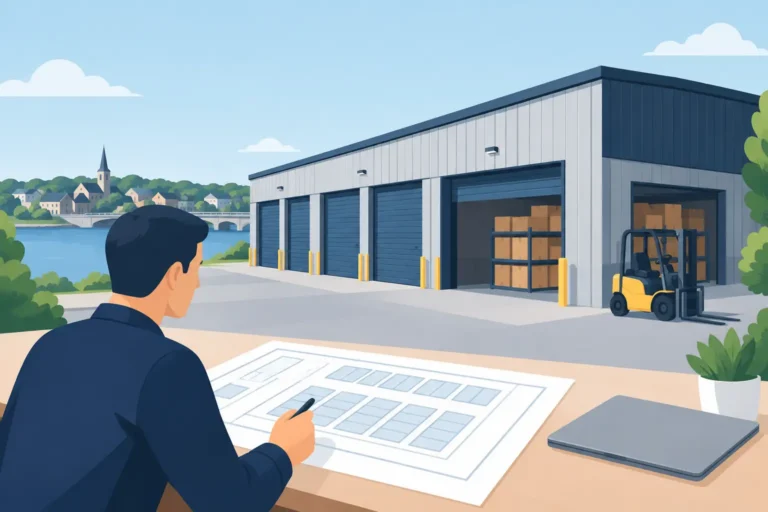
Commercial and industrial storage needs are often less predictable than people expect. A business may receive extra inventory before a peak period, need room during a leasehold improvement, or require a secure place for equipment at an active job site. Renting a portable storage unit can provide capacity without committing to additional warehouse space.
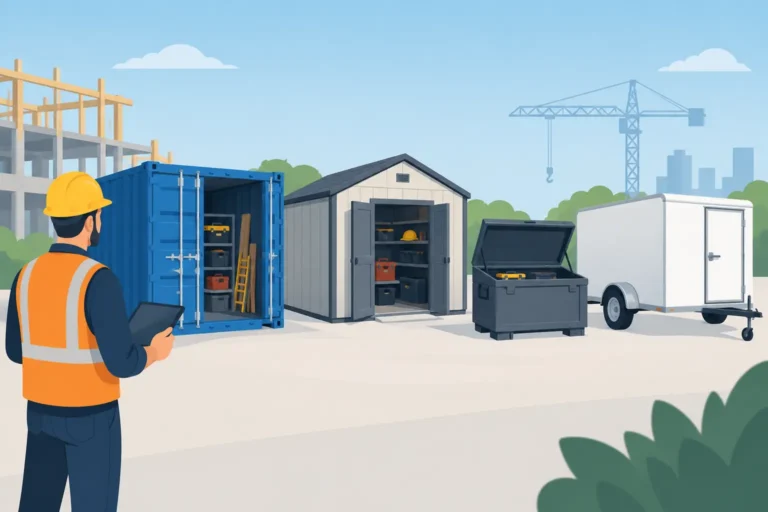
For contractors, close access can improve day-to-day organization. Rather than leaving valuable equipment exposed or transporting it between locations after every shift, a dedicated container can keep job-site materials together. It also makes it easier to separate supplies for different stages of the work.
Retailers and service businesses can use portable storage to manage overflow inventory, displays, packaging, records, or seasonal items. The key benefit is flexibility. A rental can support a short busy period, a longer renovation, or an ongoing operational need, depending on what makes sense for the business.
Security should be part of the decision, not an afterthought. Ask about the condition of the container, door hardware, access expectations, and lock arrangements. Then consider how the unit will fit into your own site security plan, particularly if it will hold tools, stock, or equipment with a high replacement value.
When on-site storage saves more than time
The financial case for portable storage is not only about the rental rate. It is also about the time and transportation costs that can build up when goods are stored across town. Multiple vehicle trips use fuel, take staff away from productive work, and create more opportunities for items to be misplaced or damaged in handling.
For a household project, the savings may come from avoiding the need to rent extra vehicles or work around a cluttered home for weeks. For a business, the benefit may be fewer labour hours spent retrieving stock and a cleaner, safer work area. These savings vary by situation, but they are worth considering alongside the monthly storage cost.
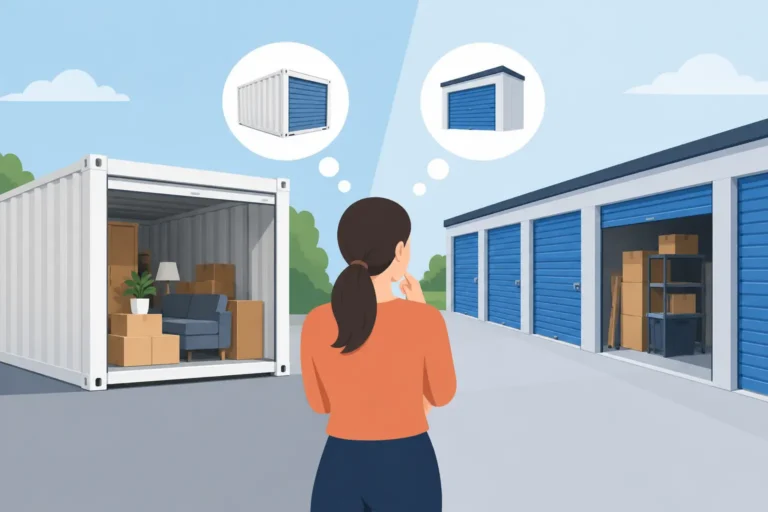
There is a trade-off. Keeping a container on site uses valuable space, and it requires a suitable delivery area. If your property has limited room or your stored items are rarely needed, a traditional facility may be more appropriate. Mobile storage convenience is most valuable when access, proximity, and flexibility are central to the job.
How to get the most from a portable storage rental
Start by estimating the volume of what needs to be stored, then leave room for safe access. Packing every available inch may seem efficient, but it can make it difficult to retrieve an item from the back. Use sturdy boxes, label all sides clearly, and keep heavier items low and evenly distributed.
Protect furniture and sensitive goods with appropriate covers or packing materials. Avoid storing anything hazardous, perishable, or restricted under the rental terms. If you are storing business equipment or inventory, keep a simple list of what is inside and update it as items are added or removed.
Rental length deserves some thought as well. Short-term storage can be ideal for a defined project, while longer rentals can support ongoing inventory or equipment needs. Build in a little time for schedule changes. Construction work, supplier delays, and weather can all affect how long extra space is needed.
For customers in Kingston and surrounding Eastern Ontario communities, local service can make the process easier. A provider familiar with regional properties, seasonal conditions, and practical delivery considerations is better positioned to help you plan for a container that works at your location. GoBox Portable Storage provides on-site container rentals designed around that straightforward need: storage where you need it.
Plan the space before you need it
The best time to arrange portable storage is before boxes begin to pile up or materials arrive with nowhere to go. Measure the available area, identify what you need to access most often, and confirm the rental timeline early. That preparation gives you a cleaner project area and fewer decisions to make once work is underway.
If your property or business needs extra space without adding extra transportation, request a quote with your location, intended use, and expected rental period in mind. A clear plan at the start can keep the rest of the project more organized, accessible, and manageable.