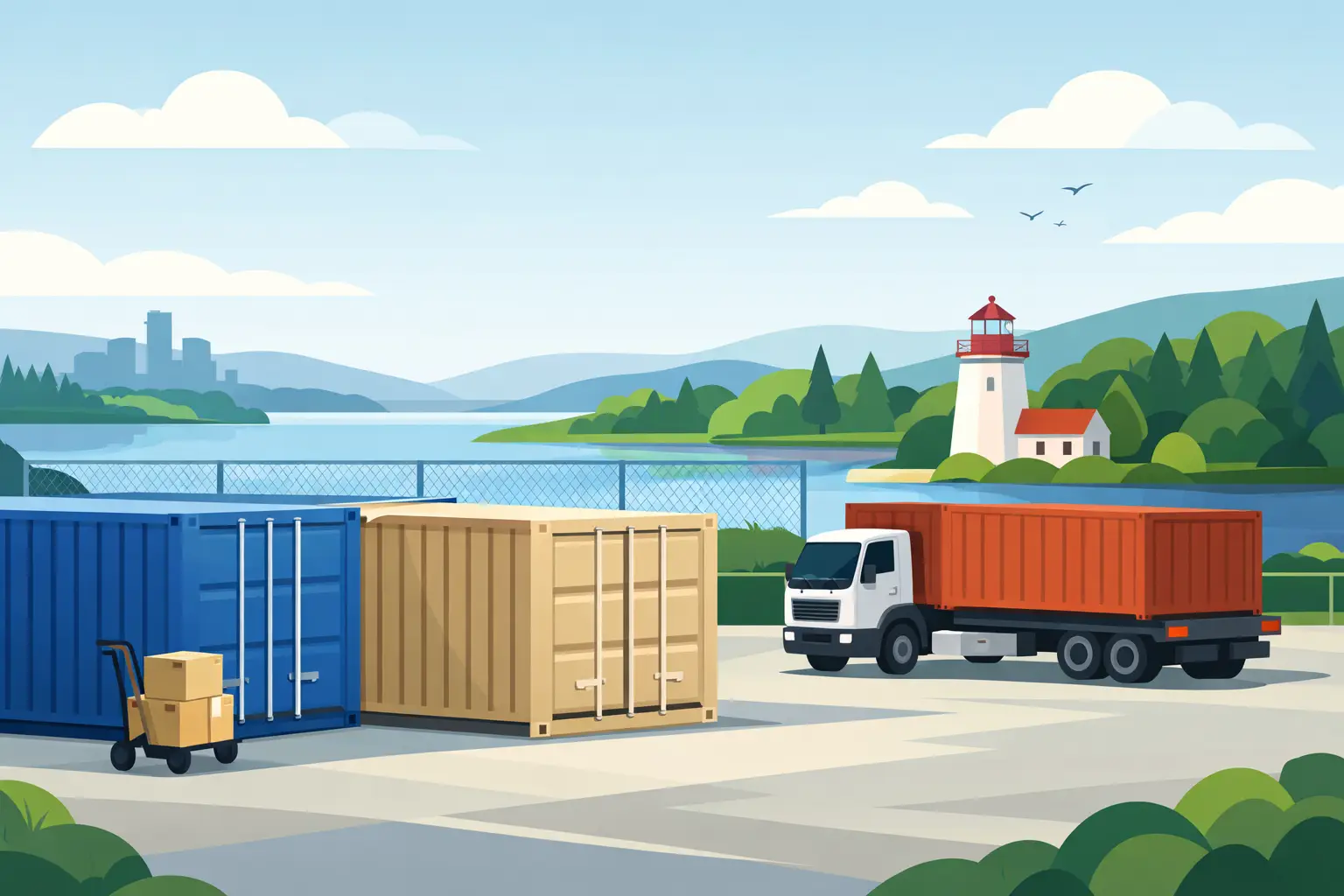
A crowded garage, a renovation zone taking over the main floor, or inventory spilling into a back room can slow everything down. Seacan storage rental puts a secure storage container at your property, so the items you need to keep do not have to compete for valuable indoor space.
For homeowners, contractors, retailers, and operators across Eastern Ontario, the appeal is simple: the storage comes to you. Instead of loading materials into a vehicle, driving to an off-site facility, and repeating the trip whenever something is needed, you can keep supplies, equipment, furniture, or stock close at hand.
What seacan storage rental is designed to solve
A seacan is a steel shipping container adapted for secure ground-level storage. While the name comes from its original use in marine shipping, its value on a residential or commercial property is much more practical. It creates additional enclosed space without requiring a permanent addition to a building.
The best use cases are usually the ones with a clear pressure point. A homeowner may need to clear rooms before a renovation begins. A contractor may need to keep tools and materials protected near an active job site. A retailer may need room for seasonal stock without crowding the sales floor. A property manager may need temporary space while repairs or turnover work is underway.
In each case, on-site access changes the workflow. You can retrieve what you need when you need it, without planning a separate trip to a storage warehouse. That convenience matters most when timelines are uncertain or when the items being stored are bulky, heavy, or used frequently.
When an on-site container makes more sense than off-site storage
Off-site self-storage has its place, particularly when there is no suitable space at the property or when access is only needed occasionally. But it can create extra handling, extra travel, and more time spent coordinating access. A container rental is often the better fit when daily or weekly access is part of the job.
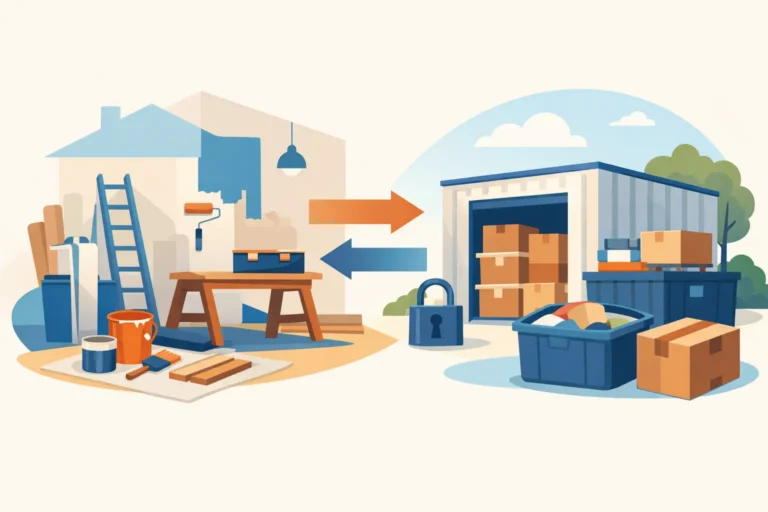
For renovation projects, having cabinetry, appliances, furniture, and boxed belongings stored just outside can help keep work areas clear. It also reduces the temptation to stack valuables in hallways, bedrooms, or garages where they can get in the way of trades and family routines.
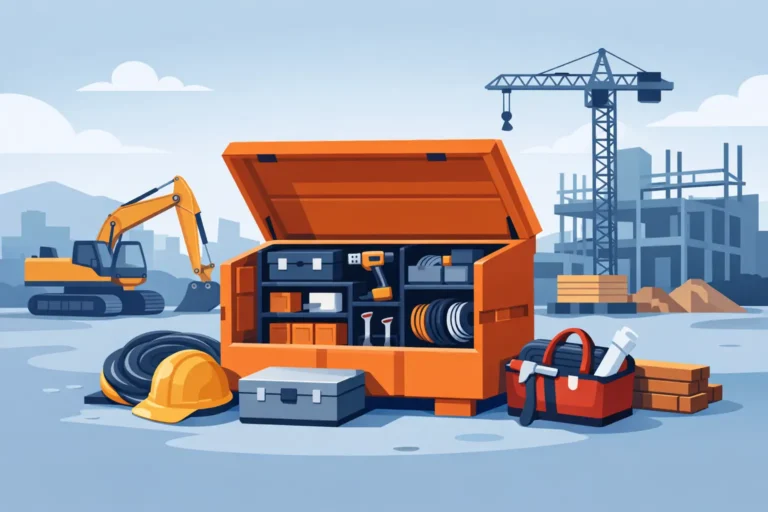
For commercial work, the benefit is operational control. A contractor can keep common materials closer to the point of use. A small business can create overflow storage during a busy season. Industrial and agricultural operations can use container storage for supplies, parts, packaged goods, and equipment that should stay protected from the elements.
There is a trade-off. A seacan needs a safe, accessible location for delivery and placement. If a property has a tight driveway, soft ground, low overhead clearance, or limited turning room, an off-site unit may be more practical. A good rental provider will ask about the site before scheduling delivery so expectations are clear from the start.
Choosing the right location on your property
Container storage works best when the placement area is planned before delivery day. The ground should be as level and firm as possible, with enough room for the delivery vehicle to enter, position the unit, and leave safely. Gravel, compacted stone, pavement, and other stable surfaces are typically easier to work with than uneven grass or soft soil.
Think about access after the container is in place, not only the delivery route. You will want room to open the doors fully, carry items in and out, and use any carts or equipment required. Keep the container clear of areas needed for parking, waste collection, construction activity, or emergency access.
Overhead obstacles deserve attention as well. Tree branches, utility lines, roof edges, and narrow gates can complicate delivery. If you are unsure whether a location will work, provide details and photos when requesting a quote. A short conversation before delivery can prevent avoidable delays.
How to pack a rental container efficiently
A storage container can hold a great deal, but good organization is what makes that space useful over time. Start by placing heavier and less frequently used items toward the back. Keep frequently needed supplies near the doors and leave a narrow centre aisle if you expect to access the container regularly.
Use sturdy boxes of similar sizes where possible. They stack more safely than mixed bags and loose containers, and they make it easier to see what is stored. Label each box on more than one side. For business inventory, a simple zone system can make reordering faster: one section for incoming stock, one for ready-to-use materials, and one for tools or equipment.
Avoid placing items directly against container walls when moisture or temperature changes could affect them. Pallets, shelving, or other raised storage methods can improve airflow and keep boxed goods off the floor. Sensitive documents, electronics, fine furniture, and certain materials may need additional protective wrapping or may be better suited to climate-controlled storage elsewhere.
Do not store hazardous, illegal, flammable, or restricted materials in a rental container. If you are unsure about an item, ask before placing it inside. This protects your property, the container, and everyone working around the site.
Security is more than a lock on the door
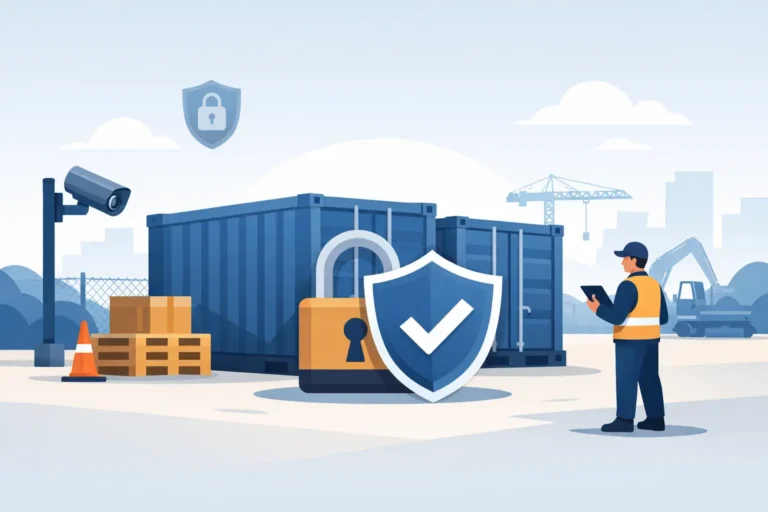
Steel containers offer a solid physical barrier, but secure storage depends on how the unit is used and where it is placed. Choose a quality lock suited to the container’s locking system, keep keys or access codes limited to the people who need them, and avoid leaving the doors unsecured while loading.
Placement can also help. A container located where it is visible from the home, office, or job site is generally easier to monitor than one hidden behind a building. Good lighting, cameras, and normal site security practices can add another layer of protection for valuable tools, inventory, and equipment.
It is also wise to document what goes inside. For households, photos and a simple inventory list can be helpful for insurance records. For businesses, regular inventory counts reduce confusion when several employees access the unit. Check your insurance policy to understand how stored contents are covered and whether added coverage is needed.
Rental terms should match the real timeline
Storage needs rarely follow a perfect schedule. Renovation work can extend. Seasonal inventory can remain longer than expected. A construction project may require secure material storage through several phases. That is why it helps to choose a rental arrangement that can accommodate both short-term needs and longer projects.
Before booking, ask what is included in the quoted rate and how delivery, pickup, rental extensions, and payment timing are handled. Confirm the container size, expected availability, site requirements, and any rules that apply to stored contents. Clear terms help you budget accurately and avoid surprises later.
For Kingston and surrounding Eastern Ontario communities, local service also matters. A provider familiar with regional roads, rural properties, urban driveways, and job-site conditions can offer more practical guidance than a company coordinating from far outside the area. GoBox Portable Storage provides on-site container rentals built around that local, straightforward approach.
Get the storage space where the work is happening
The right container rental does not just create square footage. It keeps projects organized, protects stored items, and reduces the time spent handling the same things again and again. When you request a quote, share what you plan to store, how long you expect to need the unit, and what the placement area looks like. Those details make it easier to arrange storage that fits the property and supports the work ahead.