
Renovation work gets crowded fast. One room becomes a staging area, another fills with boxed belongings, and the driveway can quickly collect materials that need to stay dry and accessible. Portable storage for renovations gives you a practical place to protect what is not currently in use without sending it far from the project.
For homeowners, contractors, and property managers in Eastern Ontario, having storage delivered to the site can simplify the day-to-day work. Instead of working around furniture, tools, flooring cartons, fixtures, and seasonal items, you can keep the renovation area clearer and easier to manage.
Why renovation projects need extra space
A renovation rarely affects only the room being updated. Kitchen work may require clearing adjacent dining areas. Bathroom projects can mean relocating linens, toiletries, and household supplies. A larger interior project may affect several rooms at once, especially when floors, drywall, electrical work, or painting are involved.
Leaving household items in nearby rooms may seem convenient at first, but dust travels, access becomes limited, and valuable belongings are more likely to be bumped, covered, or damaged. Stacking everything in a garage or basement creates another problem: those spaces often become difficult to use just when they are needed most.
A portable storage container creates a designated holding area at your property. It keeps the project contained while keeping the items you need within reach. That matters when a contractor needs supplies, a retailer needs to protect stock during an interior refresh, or a family needs to keep daily life functioning around an active work area.
How portable storage for renovations helps
The main advantage is simple: the storage comes to you. A container placed at the location eliminates repeated trips to an off-site facility and reduces the amount of handling required for furniture, supplies, and equipment.
That convenience can make a meaningful difference over a project lasting several weeks or months. You can load belongings in stages as each area is prepared, access them when required, and keep the property from becoming a maze of boxes. It also gives trades a clearer workspace, which can help them work efficiently and safely.
For businesses, on-site storage can support continuity. A retail shop renovating its sales floor may need a secure place for displays, extra inventory, shelving, or packaging materials. Contractors can use a container to keep commonly used materials and equipment close to the job site rather than filling work vehicles or leaving items exposed.
Keep belongings protected from dust and disruption
Renovation dust is persistent. Even careful containment does not always prevent fine debris from reaching nearby areas. Storing upholstered furniture, electronics, artwork, books, and boxed household items away from active work helps reduce cleanup and lowers the risk of accidental damage.
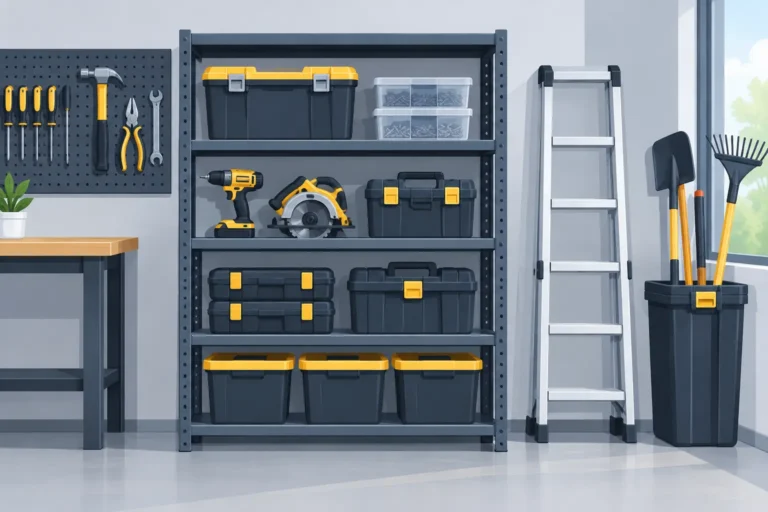
Before loading, make sure items are clean and dry. Use sturdy boxes, protective covers, and shelving where appropriate. Place heavier items along the floor and lighter boxes higher up, but avoid stacking so high that access becomes unsafe. Keeping an aisle down the centre of the container makes it easier to find what you need without unloading half the unit.
Keep materials accessible without cluttering the work area
Not everything belongs in storage for the full duration of a project. Paint, fixtures, hardware, flooring, and replacement parts may be needed at different stages. A container can serve as an organized supply point, provided materials are labelled and arranged in the order they will be used.
This is particularly useful when delivery schedules do not perfectly match the renovation timeline. Materials can arrive before installation day without taking over hallways, offices, or customer areas. It also helps reduce the chance that important components are misplaced among general household belongings.
Choosing the right storage setup
The best setup depends on the scale of the work, the available space on the property, and what you plan to store. A single-room update may need room mainly for furniture and boxes. A full interior renovation, commercial refresh, or multi-stage contractor project may need a larger unit or a more deliberate loading plan.
Start by separating items into three categories: items needed regularly, items needed later in the project, and items that can remain stored until the work is complete. This simple step prevents a common frustration: loading essential supplies behind large furniture or long-term storage boxes.
Access is another key consideration. If the container will hold materials needed every day, place it where workers can reach it without crossing busy work areas. If it will mainly hold household belongings, a less central location may make more sense. The delivery area should be level, reasonably firm, and clear of overhead obstacles such as low branches or utility lines.
Consider timing before the work begins
Storage is most useful when it is arranged before demolition, deliveries, or trade work begins. Waiting until the property is already crowded can limit placement options and add pressure to an already busy schedule.
Ask how long you are likely to need the unit, but allow some flexibility. Renovation timelines can change because of material availability, inspections, weather, or additional work discovered after a wall or floor is opened. Short-term and longer-term rental options are valuable because they allow storage to match the actual pace of the project rather than an ideal schedule.
If the container will sit in a driveway, parking area, or shared property, check local requirements and any condominium, landlord, or site-management rules in advance. A quick conversation early on can prevent avoidable delays.
Use the container safely and efficiently
A storage unit works best when it is treated as part of the project plan, not as a place to put everything at the last minute. Label boxes clearly on more than one side. Keep an inventory of high-value items, tools, and materials. Store frequently used supplies near the door, while less urgent belongings can go farther inside.
Avoid storing hazardous, flammable, perishable, or prohibited items. If you are unsure whether a particular material can be stored, confirm the rental provider’s rules before loading it. It is also wise to make sure your insurance coverage reflects the items being stored and the nature of the project.
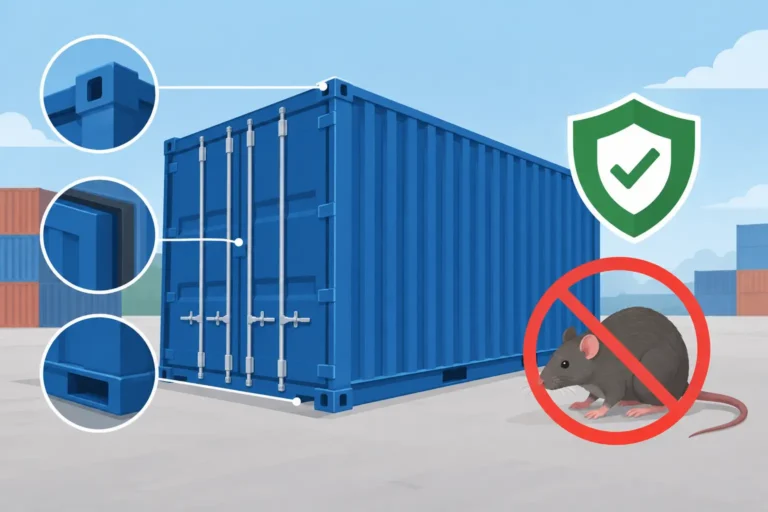
Security should be considered from the start. Choose a quality lock, keep access limited to the people who need it, and avoid leaving tools or materials outside the container at the end of the day. For active job sites, a consistent routine for opening, closing, and checking the unit can prevent small problems from becoming costly ones.
A local option for Eastern Ontario projects
Renovation plans differ from property to property, but the need for convenient, dependable storage is common. GoBox Portable Storage provides on-site container rentals for homeowners, contractors, retailers, and businesses across Kingston and surrounding Eastern Ontario communities. The focus is straightforward: bring secure storage to the location where the work is happening.
When requesting a quote, share the type of project, expected rental period, delivery location, and the kind of items you expect to store. That gives the provider a clearer picture of what will work best for your site and timeline.
A well-planned renovation does not require every spare room, hallway, or garage corner to become a storage zone. Set aside a secure place for belongings and supplies before the first work day, and the project has more room to progress the way it should.