A full stockroom can create problems long before shelves look crowded. When new product arrives, seasonal displays change, or a promotion requires extra inventory, retailers need space that keeps goods accessible without disrupting daily sales. The best retail overflow storage ideas create breathing room for staff, protect inventory, and help the store stay ready for the next busy period.
For many independent retailers, the right approach is not a larger permanent space. It is a flexible plan that matches inventory levels, delivery schedules, and the physical layout of the property.
Start With the Best Retail Overflow Storage Ideas for Your Store
Overflow storage should solve a specific issue: excess seasonal merchandise, bulky display materials, extra packaging, incoming deliveries, or stock that cannot fit safely in the back room. Before choosing a solution, identify what needs storing, how often staff need access, and how long the items will remain off the sales floor.
Fast-selling items should stay close to the store. Products that are held for a future season, special event, or upcoming promotion can be placed farther away, provided they are clearly labelled and protected. This simple distinction prevents staff from wasting time searching for everyday stock.
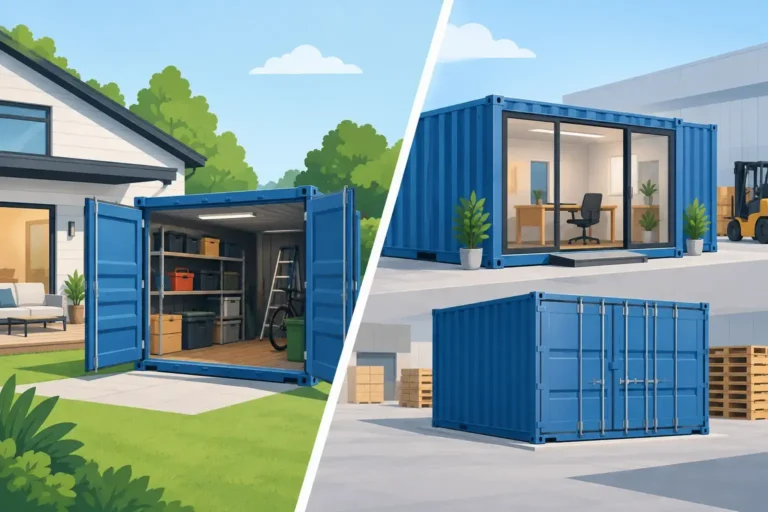
1. Use a portable storage container on-site
An on-site portable storage container is often the most practical answer when a retailer has available space beside or behind the building. It gives staff direct access to overflow inventory without repeated trips to an off-site facility.
This option works well for boxed merchandise, seasonal décor, fixtures, signage, shopping bags, packaging supplies, and promotional materials. It also keeps the sales floor and stockroom clear during large deliveries. For businesses in Kingston and across Eastern Ontario, local delivery and rental terms can make on-site storage easier to manage during short busy periods or longer inventory cycles.
The main consideration is placement. Choose a level location that does not block customer parking, delivery access, waste collection, or emergency routes. Staff should be able to reach the unit safely during regular operating hours.
2. Create a dedicated seasonal inventory zone
Seasonal products can take up valuable stockroom space for much of the year. Holiday merchandise, patio accessories, school supplies, winter goods, and event-specific displays are good candidates for a separate storage area.
Store each season together and label it by category and intended display date. Rather than packing products wherever there is an open corner, assign a specific section for each season. This makes it easier to plan floor resets and avoid ordering products that are already on hand.
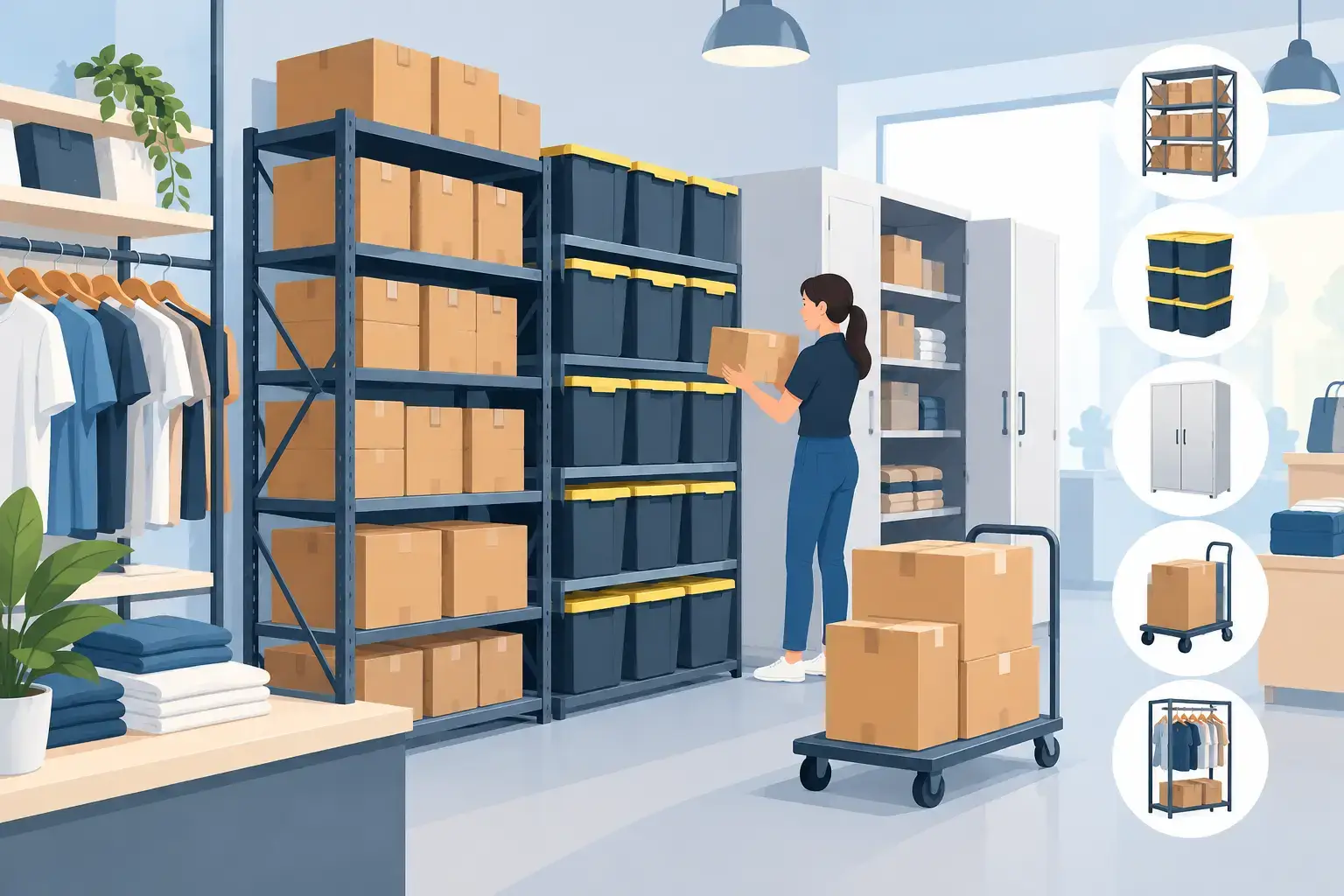
Use shelving where possible, with heavier cartons on lower levels and lighter items higher up. Keep a clear aisle so staff can inspect stock without unloading half the space to reach one box.
3. Store display fixtures separately from saleable inventory
Retail fixtures are bulky, awkward, and often needed only occasionally. Extra racks, mannequins, shelving, tables, bins, signage stands, and point-of-sale displays can quickly overwhelm a back room.
Keeping fixtures in a separate overflow area protects merchandise from damage and gives the store a cleaner working space. Group similar items together, bundle loose components, and label hardware bags clearly. A missing bracket or screw can delay a display change far more than most retailers expect.
If fixtures are stored in a portable unit, place frequently used items near the entrance. Less-used materials, such as off-season window displays, can go farther inside.
4. Use a simple first-in, first-out system
Overflow space becomes expensive when inventory is forgotten. A first-in, first-out system helps retailers sell older stock before newer deliveries take its place. It is particularly useful for products with expiry dates, style changes, limited shelf life, or packaging updates.
Mark cartons with the arrival month and year. Position older stock where staff can reach it first, then place new deliveries behind it. This does not require complicated software. A basic inventory sheet, a shared digital file, or clear shelf labels can provide enough control for many small and mid-sized retailers.
The key is consistency. If staff cannot tell which product arrived first, the system will break down during the next busy delivery.
5. Keep a receiving buffer for large deliveries
A receiving buffer is a temporary holding area for incoming cartons before they are counted, checked, and put away. Without one, delivery days can create clutter in aisles, staff rooms, or customer-facing areas.
A portable storage unit can act as that buffer when there is not enough space inside. Staff can receive the shipment, verify quantities, and bring product into the store in organized batches. This is especially helpful when a retailer receives stock before a major sale, holiday period, or floor change.
Do not let the receiving buffer become permanent storage for unprocessed cartons. Set a clear time limit for checking and sorting deliveries so discrepancies are found while the paperwork is still easy to review.
6. Store packaging and supplies outside the main stockroom
Bags, tissue paper, boxes, hangers, labels, cleaning supplies, receipt rolls, and shipping materials take up more room than they appear to. These supplies are essential, but they do not need prime stockroom space.
Give them a separate, labelled storage section. Keep enough inside for daily use and hold reserve quantities in overflow storage. This approach reduces clutter while making reorders easier to track.
For cardboard and paper-based supplies, use pallets or shelving to keep cartons off the floor. Moisture protection matters, particularly during Ontario’s wet and snowy months.
7. Make a plan for returns and clearance stock
Returns, damaged packaging, discontinued products, and clearance inventory often become a mixed pile that nobody wants to handle. Left unattended, that pile takes up space and makes it harder to see what inventory is actually available.
Set aside a clearly marked area for each category. Returned items awaiting inspection should not be mixed with saleable stock. Clearance products should be grouped by planned sale date or disposition decision. Damaged items should be documented and held separately until staff decide whether they can be repaired, discounted, or disposed of.
A dedicated overflow area gives the team room to make these decisions without crowding the main stockroom.
8. Use vertical space safely
When floor space is limited, retailers naturally look upward. Shelving can increase storage capacity significantly, but it needs to be used safely. Heavy cartons belong on lower shelves, and unstable or oversized items should not be stacked where they can fall.
Measure cartons before purchasing racks or planning a layout. Leave enough clearance for staff to handle boxes comfortably, and avoid stacking products so high that ladders become a daily necessity. The goal is more capacity, not a storage area that slows work down or increases the chance of injury.
Portable storage units can also benefit from a planned shelving layout, especially when storing many smaller cartons instead of large fixtures.
9. Keep an inventory map at the entrance
A storage area works better when anyone on the team can find what they need. An inventory map near the entrance can be as simple as a sketch showing zones for seasonal merchandise, supplies, fixtures, returns, and incoming stock.
Give each shelf, pallet position, or section a clear name. For example, use labels such as A1, A2, and B1 rather than relying on descriptions like “back left corner.” Update the map whenever the layout changes.
This small habit reduces dependence on one staff member who knows where everything is stored. It also makes stock checks much faster during busy retail periods.
10. Choose rental storage when demand is temporary
Permanent warehouse space may make sense for a retailer with steady, year-round volume. However, many stores need extra room only at certain times. A rental storage container can be a better fit when inventory expands around holidays, promotions, renovations, or major deliveries.
The trade-off is that the unit still needs a sensible access plan and secure placement. In return, the retailer avoids committing to more building space than the business needs for the rest of the year. GoBox Portable Storage provides on-site container rentals that give local businesses a practical way to add capacity where they need it.
Keep Overflow Storage Useful, Not Hidden
The best retail overflow storage ideas only work when the space is reviewed regularly. Schedule a quick check each month to identify aging stock, unused fixtures, low supplies, and cartons that no longer need to be stored. Keep aisles open, labels readable, and the most-needed items within easy reach.
A well-planned overflow area does more than hold extra boxes. It gives your team room to work, helps protect valuable inventory, and lets the store respond calmly when the next shipment arrives.