
A garage renovation, a busy construction site, or a retailer with seasonal stock can create the same immediate problem: valuable items need a secure place close at hand. When comparing a shipping container vs storage shed, the best choice usually comes down to how long you need the space, how easily your site can accommodate it, and whether you want a permanent structure or a flexible rental.
For many property owners and businesses in Eastern Ontario, the deciding factor is not simply square footage. It is the amount of work required before storage is ready to use. A shed can be a good long-term addition to a property. A portable shipping container can provide secure on-site storage without a construction project, which is often more practical when timelines are uncertain.
Shipping Container vs Storage Shed: The Main Difference
A storage shed is generally a permanent or semi-permanent building purchased and installed on your property. It may be wood, resin, vinyl, or metal, and it ranges from a compact backyard unit to a larger custom-built structure. The owner is responsible for selecting the model, preparing the base, assembling or building it, and maintaining it over time.
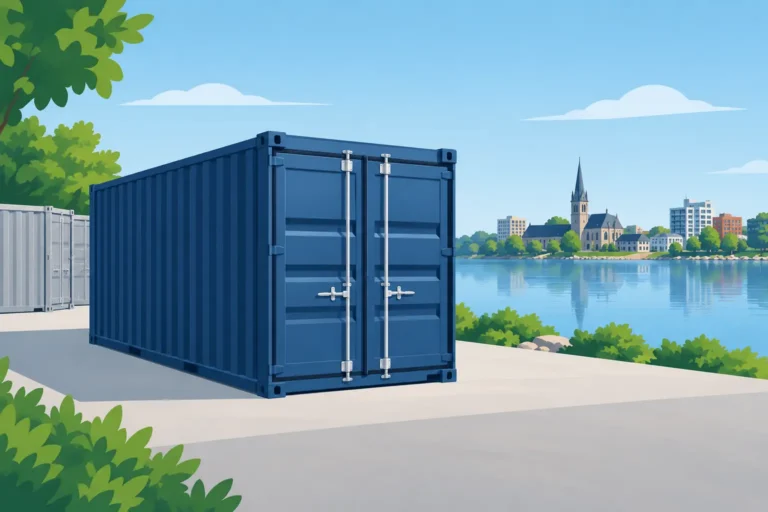
A shipping container used for portable storage is a steel unit delivered to your location and collected when it is no longer needed. With a rental option, you are paying for access to storage rather than taking on ownership of another structure. That distinction matters for homeowners handling a renovation, contractors working through a project phase, and businesses dealing with temporary inventory pressure.
Neither option is automatically better. A shed may make sense when you need a permanent home for lawn equipment, gardening supplies, or tools for years to come. A portable container can make more sense when storage needs may change after a season, project, or business cycle.
Site Preparation and Delivery Requirements
A shed often appears simple at first, but the preparation can be significant. Larger sheds need a stable, level base to help doors operate properly and to reduce moisture issues. Depending on the size and location, you may also need to consider local setbacks, property rules, permits, and access for materials or installers.
A portable storage container also needs a reasonably level, firm placement area, but it does not require a foundation in the same way a permanent shed does. Before delivery, assess the route into the property, overhead clearance, turning room, and the area where the unit will sit. Tree limbs, low wires, soft ground, tight gates, and parked vehicles can all affect delivery planning.
This is where local service is useful. A provider familiar with Kingston and the surrounding Eastern Ontario area can help customers think through practical site access before the container arrives. A short conversation early can prevent delays and ensure the unit is placed where it remains useful, not where it becomes difficult to reach.
Think About Access After Placement
Storage only helps if you can get to your items without rearranging half the property. A shed door may be positioned wherever the building plan allows, while a container’s doors will be placed based on safe delivery and the available site layout.
Consider what you will store first, what you will need most often, and whether you need room to bring in carts, equipment, or boxed inventory. If daily access is important, leave a clear pathway to the doors and keep frequently used items near the front. For construction materials or retail supplies, simple shelving and labelled zones can make a container far more efficient than stacking everything in one large pile.
Security and Protection From the Elements
Steel shipping containers are designed to handle demanding transport conditions, which gives them a clear advantage for many commercial and industrial uses. Their solid steel walls, heavy-duty doors, and secure locking points can be well suited to storing tools, equipment, boxed stock, and project materials on-site.
Shed security varies widely by model. A basic garden shed may be perfectly suitable for low-value household items, but thinner panels, lighter doors, and standard hardware can require upgrades if you are storing expensive equipment. A well-built shed with a quality lock can provide good protection, but it is worth comparing the full cost of those features rather than looking only at the initial price.
Weather protection deserves the same careful attention. A properly maintained shed can keep belongings dry, but wood requires ongoing care and some lightweight models can be vulnerable to wind, snow load, or door wear. Containers provide durable enclosed space, but they are not climate-controlled by default. Sensitive items such as electronics, documents, certain finishes, or moisture-sensitive products may need appropriate packing, ventilation planning, or a different storage solution.
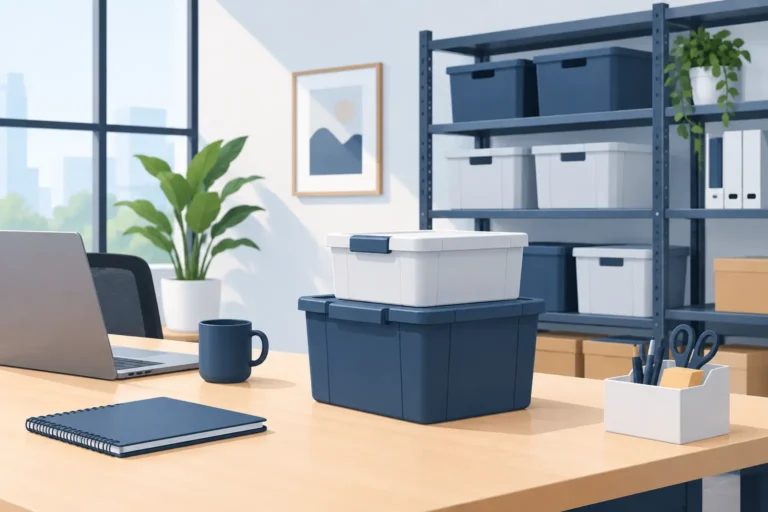
In either format, avoid placing items directly against exterior walls where possible. Use pallets or shelving to keep boxes off the floor, allow air circulation, and make inspections easier. Do not store hazardous materials or anything prohibited by your rental agreement or local regulations.
Cost Is More Than the Purchase Price
A storage shed can look economical when viewed as a one-time purchase. The real total, however, may include the shed itself, a foundation or gravel base, delivery, assembly, permits, hardware upgrades, repairs, and seasonal maintenance. If you only need added storage for several months, ownership can leave you with a building that no longer serves a clear purpose.
A rented shipping container has a different cost structure. There is no large ownership purchase, but there are delivery, pickup, and rental costs to consider. For short-term or changing needs, this can be easier to plan around because the storage period can align with your schedule. It also avoids spending time on construction, painting, roof maintenance, or eventual replacement.
For a long-term backyard storage need, buying a shed may be the better value. For a contractor who needs secure tools near an active job site, or a business that needs overflow space during a busy period, portable container rental can offer better operational value because it keeps materials close to where work happens.
Capacity and What You Need to Store
Do not compare only the outside dimensions. Think about door width, interior height, usable floor area, and the shape of your largest items. Sheds often have lower ceilings and narrower doors, which can limit larger equipment. A container’s long, rectangular interior is especially useful for boxed goods, racked supplies, tools, and equipment that can be organized along the walls.
A shed can feel more natural in a finished residential yard and may be easier to tailor for a specific hobby or equipment collection. It can also be fitted with windows, workbenches, and custom finishes. Containers are more functional than decorative, though their practical form is an advantage when security, capacity, and quick availability matter most.
Before deciding, make a realistic inventory. Include the items you expect to add later, not just what is currently taking up space. Underestimating storage needs often leads to crowded access and damaged belongings.
When a Storage Shed Is the Better Choice
A shed is often the right answer if you own the property, have a stable long-term need, and want storage to become part of the landscape. It works well for routine household equipment, gardening tools, and items that benefit from a customized setup. If appearance is a major consideration and you have time for site preparation, a shed can provide a more integrated result.
It is less convenient when the need is temporary, when the property has limited room for construction, or when you do not want the responsibility of maintaining another structure. Renters should also confirm property owner approval before considering any fixed installation.
When a Portable Container Is the Better Choice
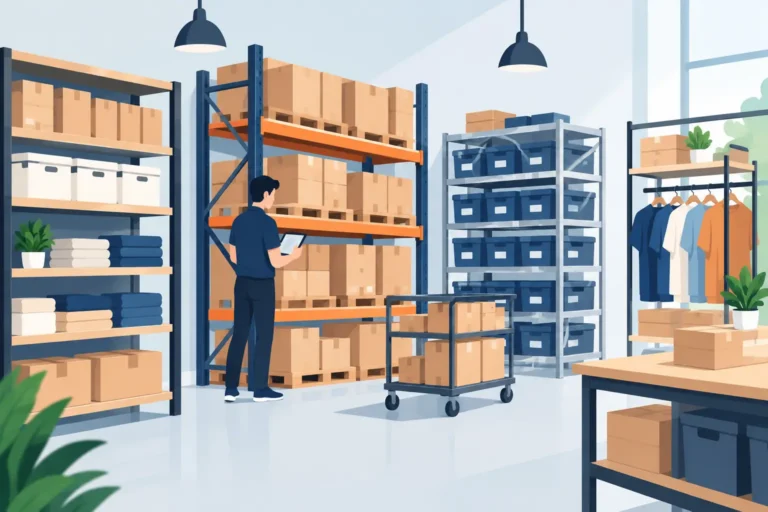
A portable storage container is a strong fit when speed, security, and location matter. Contractors can keep supplies close to the work area. Retailers can create temporary inventory space without leasing additional warehouse space. Homeowners can keep furniture and belongings protected during a renovation without repeated trips to an off-site facility.
GoBox Portable Storage provides delivered container rentals for customers who need that flexibility without making storage a permanent property commitment. The key is to plan placement carefully and choose a rental term that reflects the real timeline, including a little room for project changes.
The practical choice is the one that reduces work rather than creating more of it. If you need a lasting backyard building, invest in a shed that suits the property. If you need secure space at your location for a defined period, a delivered container can keep the storage problem simple and close by.